
'%20fill='%23a9976d'/%3e%3cpath%20id='Path_251'%20data-name='Path%20251'%20d='M8,35a1,1,0,0,1,1-1H23a1,1,0,0,1,0,2H9A1,1,0,0,1,8,35Z'%20transform='translate(-8%20-22)'%20fill='%23a9976d'/%3e%3cpath%20id='Path_252'%20data-name='Path%20252'%20d='M9,22a1,1,0,0,0,0,2h8a1,1,0,0,0,0-2Z'%20transform='translate(-8%20-16)'%20fill='%23a9976d'/%3e%3c/svg%3e)
'%20fill='%23a9976d'/%3e%3c/g%3e%3c/svg%3e)
小米酒─有功勞的才可以喝
主題探索
文化美食
分享
'%3e%3cg%20id='Ellipse_27'%20data-name='Ellipse%2027'%20transform='translate(813%20250)'%20fill='none'%20stroke='%23ccac89'%20stroke-width='1'%3e%3ccircle%20cx='16'%20cy='16'%20r='16'%20stroke='none'/%3e%3ccircle%20cx='16'%20cy='16'%20r='15.5'%20fill='none'/%3e%3c/g%3e%3cg%20id='facebook'%20transform='translate(824.105%20258.296)'%3e%3cpath%20id='Path_243'%20data-name='Path%20243'%20d='M8.894.111V2.556H7.441a1.361,1.361,0,0,0-1.074.333,1.534,1.534,0,0,0-.278,1v1.75H8.8L8.441,8.38H6.089v7.028H3.255V8.38H.894V5.639H3.255V3.62A3.582,3.582,0,0,1,4.218.949,3.5,3.5,0,0,1,6.783,0,15.317,15.317,0,0,1,8.894.111Z'%20transform='translate(0%200)'%20fill='%23ccac89'/%3e%3c/g%3e%3c/g%3e%3c/svg%3e)

'%3e%3cg%20id='Ellipse_29'%20data-name='Ellipse%2029'%20transform='translate(901%20250)'%20fill='none'%20stroke='%23ccac89'%20stroke-width='1'%3e%3ccircle%20cx='16'%20cy='16'%20r='16'%20stroke='none'/%3e%3ccircle%20cx='16'%20cy='16'%20r='15.5'%20fill='none'/%3e%3c/g%3e%3cg%20id='link-45deg'%20transform='translate(902.607%20253.105)'%3e%3cg%20id='Group_479'%20data-name='Group%20479'%20transform='translate(7.393%205.896)'%3e%3cpath%20id='Path_241'%20data-name='Path%20241'%20d='M10.246,17.821,8.507,19.56a3.8,3.8,0,0,0,5.378,5.378L16.2,22.62a3.8,3.8,0,0,0-1.05-6.12l-.743.743a1.27,1.27,0,0,0-.2.252,2.535,2.535,0,0,1,1.091,4.23L12.99,24.042A2.536,2.536,0,0,1,9.4,20.455l1.005-1a5.093,5.093,0,0,1-.162-1.631Z'%20transform='translate(-7.393%20-12.02)'%20fill='%23ccac89'/%3e%3cpath%20id='Path_242'%20data-name='Path%20242'%20d='M18.236,9.327a3.8,3.8,0,0,0,1.05,6.12l.982-.984a2.535,2.535,0,0,1-1.136-4.241L21.448,7.9a2.536,2.536,0,1,1,3.587,3.587l-1.005,1a5.1,5.1,0,0,1,.162,1.631l1.739-1.739A3.8,3.8,0,1,0,20.553,7.01Z'%20transform='translate(-13.011%20-5.896)'%20fill='%23ccac89'/%3e%3c/g%3e%3c/g%3e%3c/g%3e%3c/svg%3e)
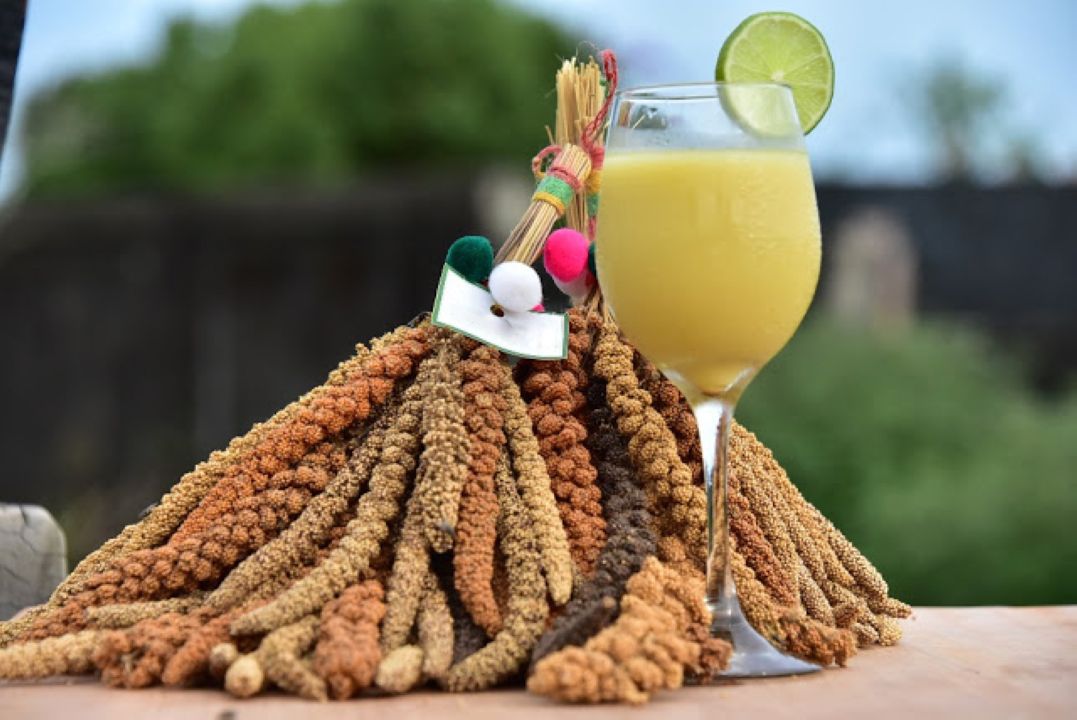
小米酒在台灣出現甚早,原住民釀製小米酒的歷史亦悠久。於清代康熙年間遊歷台灣的郁永河,在《裨海紀遊・土番竹枝詞》24首之17中寫到原民以唾釀酒;此外,《諸羅縣志》及《臺海使槎錄》中皆見類似紀錄。因此可以理解最早的小米酒以唾液為酒引,此與世界各地有釀酒文化的原住民相似。
◤文.圖/看見台灣基金會編輯群
小
米酒是台灣原住民族飲食文化的代表之一,不僅為佳釀,更是承載文化和記憶的飲品。
在原住民文化中,小米為重要糧食,小米酒更是各式祭儀中不可缺少的神聖之物,例如阿美族豐年祭前,長老會以手指沾取小米酒灑入地面三次,敬奉天地祖靈後才可飲用。
▋承載原住民的文化和記憶
而布農族凡事需夢占,從小米自栽種至收成時皆有相對應的祭儀,有以小米酒謝天地和祖靈習俗;排灣族之小米酒釀製則為婦女之大事,釀製前婦女需淨身,於豐年祭開封時,族人間亦會品嘗,選出最佳小米酒。
過去,小米酒的飲用在每一個部落亦可謂為大事,如阿美族,並非人人皆能飲用,只有對部落有功的人才得以享用一杯美味的小米酒。如今,隨時代進步,小米酒的釀製已有長足的進步,成為部落銷售給觀光客的重要伴手禮。
有心的部落青年傳承父母祖輩的手藝,不僅以台灣在地的原生小米種釀製小米酒,更以科學化的釀造製程監控,並將成品帶出國比賽,廣受好評及獎項肯定。未來,台灣小米酒這樣足具代表性的原住民文化,依然會繼續代代相傳下去。
*飲酒過量,有害(礙)健康。未滿18歲禁止飲酒。酒後不開車,安全有保障
探索更多
太陽餅─餅皮要超過百層,才是名餅
台中名產太陽餅,內餡為麥芽糖,但厲害的是餅皮,名店的做工精細,最多可達上百層,比紙還薄,摸起來有彈性,吃起來酥脆甜蜜。
刈包─虎咬豬諧音「福咬住」
問:如何向台灣人介紹漢堡?答:「美國的刈包。」問:如何向美國人形容刈包?答:「台灣的漢堡。」
肉乾─從前是束脩,現在是零食
肉乾是指經醃製及乾燥處理後的肉類,常見有豬肉乾及牛肉乾。早期肉乾在人類飲食生活中的主要目的是作為久存吃食,孔子學生拜見尊師的見面禮「束脩」也常用肉乾;但歸功於食品加工技術進步,及生活水準提升,現代民眾已當成零食或補充蛋白質之用。