
'%20fill='%23a9976d'/%3e%3cpath%20id='Path_251'%20data-name='Path%20251'%20d='M8,35a1,1,0,0,1,1-1H23a1,1,0,0,1,0,2H9A1,1,0,0,1,8,35Z'%20transform='translate(-8%20-22)'%20fill='%23a9976d'/%3e%3cpath%20id='Path_252'%20data-name='Path%20252'%20d='M9,22a1,1,0,0,0,0,2h8a1,1,0,0,0,0-2Z'%20transform='translate(-8%20-16)'%20fill='%23a9976d'/%3e%3c/svg%3e)
'%20fill='%23a9976d'/%3e%3c/g%3e%3c/svg%3e)
高麗菜─天菜隊長名為「初秋」
主題探索
文化美食
分享
'%3e%3cg%20id='Ellipse_27'%20data-name='Ellipse%2027'%20transform='translate(813%20250)'%20fill='none'%20stroke='%23ccac89'%20stroke-width='1'%3e%3ccircle%20cx='16'%20cy='16'%20r='16'%20stroke='none'/%3e%3ccircle%20cx='16'%20cy='16'%20r='15.5'%20fill='none'/%3e%3c/g%3e%3cg%20id='facebook'%20transform='translate(824.105%20258.296)'%3e%3cpath%20id='Path_243'%20data-name='Path%20243'%20d='M8.894.111V2.556H7.441a1.361,1.361,0,0,0-1.074.333,1.534,1.534,0,0,0-.278,1v1.75H8.8L8.441,8.38H6.089v7.028H3.255V8.38H.894V5.639H3.255V3.62A3.582,3.582,0,0,1,4.218.949,3.5,3.5,0,0,1,6.783,0,15.317,15.317,0,0,1,8.894.111Z'%20transform='translate(0%200)'%20fill='%23ccac89'/%3e%3c/g%3e%3c/g%3e%3c/svg%3e)

'%3e%3cg%20id='Ellipse_29'%20data-name='Ellipse%2029'%20transform='translate(901%20250)'%20fill='none'%20stroke='%23ccac89'%20stroke-width='1'%3e%3ccircle%20cx='16'%20cy='16'%20r='16'%20stroke='none'/%3e%3ccircle%20cx='16'%20cy='16'%20r='15.5'%20fill='none'/%3e%3c/g%3e%3cg%20id='link-45deg'%20transform='translate(902.607%20253.105)'%3e%3cg%20id='Group_479'%20data-name='Group%20479'%20transform='translate(7.393%205.896)'%3e%3cpath%20id='Path_241'%20data-name='Path%20241'%20d='M10.246,17.821,8.507,19.56a3.8,3.8,0,0,0,5.378,5.378L16.2,22.62a3.8,3.8,0,0,0-1.05-6.12l-.743.743a1.27,1.27,0,0,0-.2.252,2.535,2.535,0,0,1,1.091,4.23L12.99,24.042A2.536,2.536,0,0,1,9.4,20.455l1.005-1a5.093,5.093,0,0,1-.162-1.631Z'%20transform='translate(-7.393%20-12.02)'%20fill='%23ccac89'/%3e%3cpath%20id='Path_242'%20data-name='Path%20242'%20d='M18.236,9.327a3.8,3.8,0,0,0,1.05,6.12l.982-.984a2.535,2.535,0,0,1-1.136-4.241L21.448,7.9a2.536,2.536,0,1,1,3.587,3.587l-1.005,1a5.1,5.1,0,0,1,.162,1.631l1.739-1.739A3.8,3.8,0,1,0,20.553,7.01Z'%20transform='translate(-13.011%20-5.896)'%20fill='%23ccac89'/%3e%3c/g%3e%3c/g%3e%3c/g%3e%3c/svg%3e)
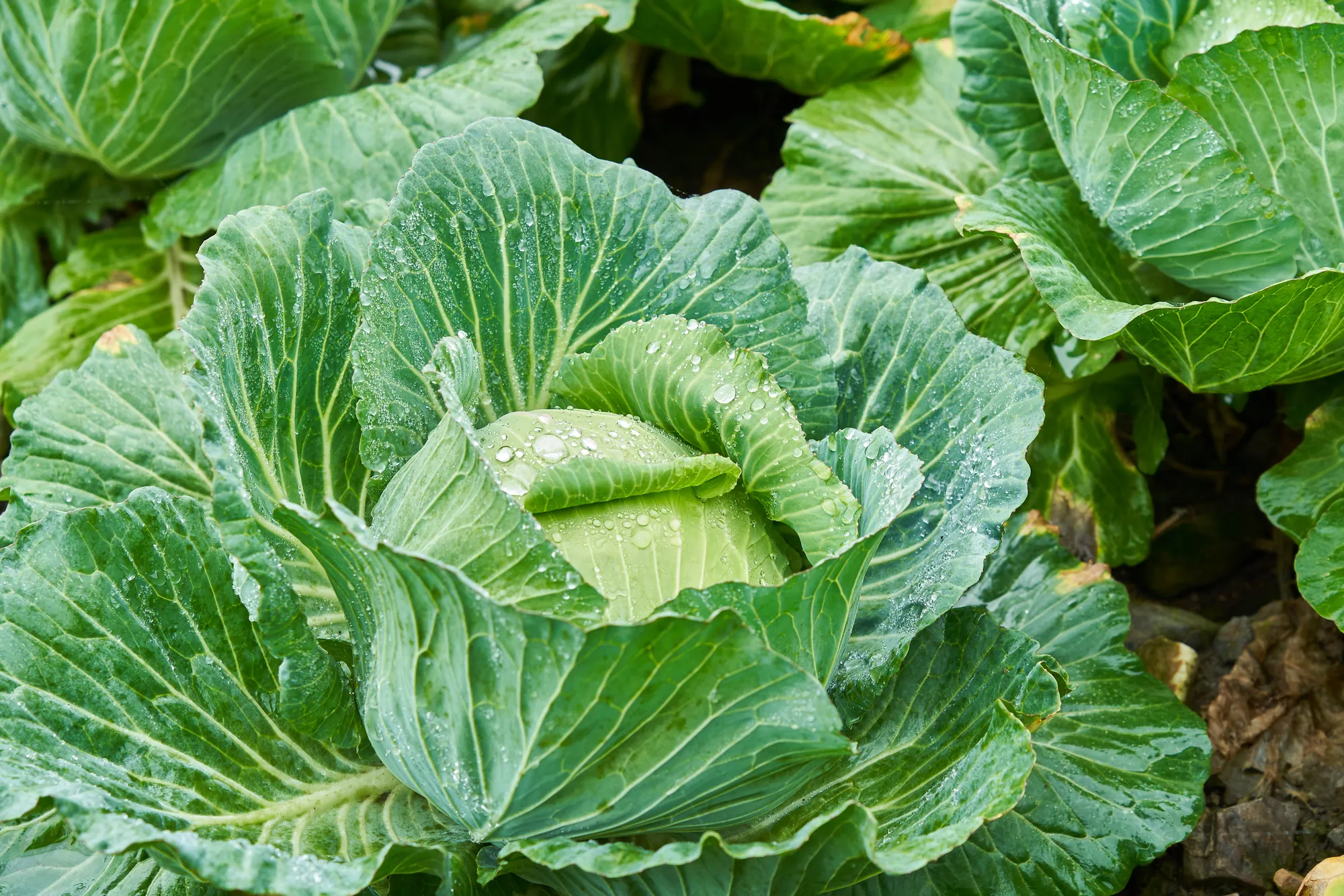
高麗菜是台灣的「國民蔬菜」,產量最大的葉菜類作物,每年的產量超過40萬噸,產值超過80億。正式名稱為「甘藍菜」。
◤文.圖/看見台灣基金會編輯群
這
項國民蔬菜名字的來由,跟韓國(古名高麗)一點關係也沒有,而是淵源於歐洲,古希臘、羅馬人都愛吃;無論是拉丁文「caulis」、荷蘭文「kool」、或西班牙文「col」,閩南語發音都近似「高麗」。
這看似平凡的高麗菜,其實參與過人類大歷史。寫過多本蔬果專書的作者張蕙芬為文時表示,大航海時代的船員常因缺乏維生素C得壞血病,直到攜帶醃漬高麗菜同行才解決這問題。
▋高麗菜直至日本品種引進才流行
最早,高麗菜是17世紀荷蘭人帶來台灣的;一直要到日治時期引進日本品種包括「初秋」、「夏峰」,這種植化素含量豐富的十字花科作物,才開始普及;現今市場上最盛行的品種是「初秋」。
高麗菜主要產地是彰化、雲林、台中,占一半以上。高山上種植的高麗菜,由於日夜溫差大,養分容易蓄積,有特別的甜味,成特別的品牌高麗菜。
高麗菜富含植化素如蘿蔔硫素等多種營養,民俗療法中,還會用它來減緩膝蓋發炎疼痛。
歐洲溫帶氣候適合高麗菜種植,台灣主要產季在秋冬,但經過育種、或往高山上種植後,一年四季都吃得到。農糧署的宣導中,很俏皮地幫各個品種定位:初秋是「天菜隊長」,適合各式料理;雪翠是「天菜女神」,適合生食、快炒;228品種是「天菜餃餃者」,適合做餡料及醃製。
探索更多
芭樂─國民水果,國宴、米其林都現蹤
芭樂,台灣國民水果代表之一,原產於熱帶美洲,地理大發現時期引入台灣。台灣四季皆產芭樂,夜市、街邊到處有賣,主要產區為高雄大社、燕巢及彰化社頭。
白蘿蔔─吉祥蔬菜,語意:好彩頭
蘿蔔在中國栽種歷史悠長,北魏時期(約533至544年)成書的《齊民要術》即已對蘿蔔的種植有一定的了解;台灣栽種白蘿蔔的歷史,推估應隨先民來台時引入,歷經清領及日治時期,已成為庶民餐桌上不可或缺的食物。
大蒜─不可一日沒有它
蒜,又稱大蒜。原生於中亞或西亞地區,4000多年的埃及文明即有人工栽種大蒜的記載。蒜自漢朝由張騫自西域傳入中國,約於18世紀時自中國傳至台灣,並於同一世紀間由歐洲傳至北美。