
'%20fill='%23a9976d'/%3e%3cpath%20id='Path_251'%20data-name='Path%20251'%20d='M8,35a1,1,0,0,1,1-1H23a1,1,0,0,1,0,2H9A1,1,0,0,1,8,35Z'%20transform='translate(-8%20-22)'%20fill='%23a9976d'/%3e%3cpath%20id='Path_252'%20data-name='Path%20252'%20d='M9,22a1,1,0,0,0,0,2h8a1,1,0,0,0,0-2Z'%20transform='translate(-8%20-16)'%20fill='%23a9976d'/%3e%3c/svg%3e)
'%20fill='%23a9976d'/%3e%3c/g%3e%3c/svg%3e)
'%3e%3cg%20id='Ellipse_27'%20data-name='Ellipse%2027'%20transform='translate(813%20250)'%20fill='none'%20stroke='%23ccac89'%20stroke-width='1'%3e%3ccircle%20cx='16'%20cy='16'%20r='16'%20stroke='none'/%3e%3ccircle%20cx='16'%20cy='16'%20r='15.5'%20fill='none'/%3e%3c/g%3e%3cg%20id='facebook'%20transform='translate(824.105%20258.296)'%3e%3cpath%20id='Path_243'%20data-name='Path%20243'%20d='M8.894.111V2.556H7.441a1.361,1.361,0,0,0-1.074.333,1.534,1.534,0,0,0-.278,1v1.75H8.8L8.441,8.38H6.089v7.028H3.255V8.38H.894V5.639H3.255V3.62A3.582,3.582,0,0,1,4.218.949,3.5,3.5,0,0,1,6.783,0,15.317,15.317,0,0,1,8.894.111Z'%20transform='translate(0%200)'%20fill='%23ccac89'/%3e%3c/g%3e%3c/g%3e%3c/svg%3e)

'%3e%3cg%20id='Ellipse_29'%20data-name='Ellipse%2029'%20transform='translate(901%20250)'%20fill='none'%20stroke='%23ccac89'%20stroke-width='1'%3e%3ccircle%20cx='16'%20cy='16'%20r='16'%20stroke='none'/%3e%3ccircle%20cx='16'%20cy='16'%20r='15.5'%20fill='none'/%3e%3c/g%3e%3cg%20id='link-45deg'%20transform='translate(902.607%20253.105)'%3e%3cg%20id='Group_479'%20data-name='Group%20479'%20transform='translate(7.393%205.896)'%3e%3cpath%20id='Path_241'%20data-name='Path%20241'%20d='M10.246,17.821,8.507,19.56a3.8,3.8,0,0,0,5.378,5.378L16.2,22.62a3.8,3.8,0,0,0-1.05-6.12l-.743.743a1.27,1.27,0,0,0-.2.252,2.535,2.535,0,0,1,1.091,4.23L12.99,24.042A2.536,2.536,0,0,1,9.4,20.455l1.005-1a5.093,5.093,0,0,1-.162-1.631Z'%20transform='translate(-7.393%20-12.02)'%20fill='%23ccac89'/%3e%3cpath%20id='Path_242'%20data-name='Path%20242'%20d='M18.236,9.327a3.8,3.8,0,0,0,1.05,6.12l.982-.984a2.535,2.535,0,0,1-1.136-4.241L21.448,7.9a2.536,2.536,0,1,1,3.587,3.587l-1.005,1a5.1,5.1,0,0,1,.162,1.631l1.739-1.739A3.8,3.8,0,1,0,20.553,7.01Z'%20transform='translate(-13.011%20-5.896)'%20fill='%23ccac89'/%3e%3c/g%3e%3c/g%3e%3c/g%3e%3c/svg%3e)
◤文/看見台灣基金會編輯群
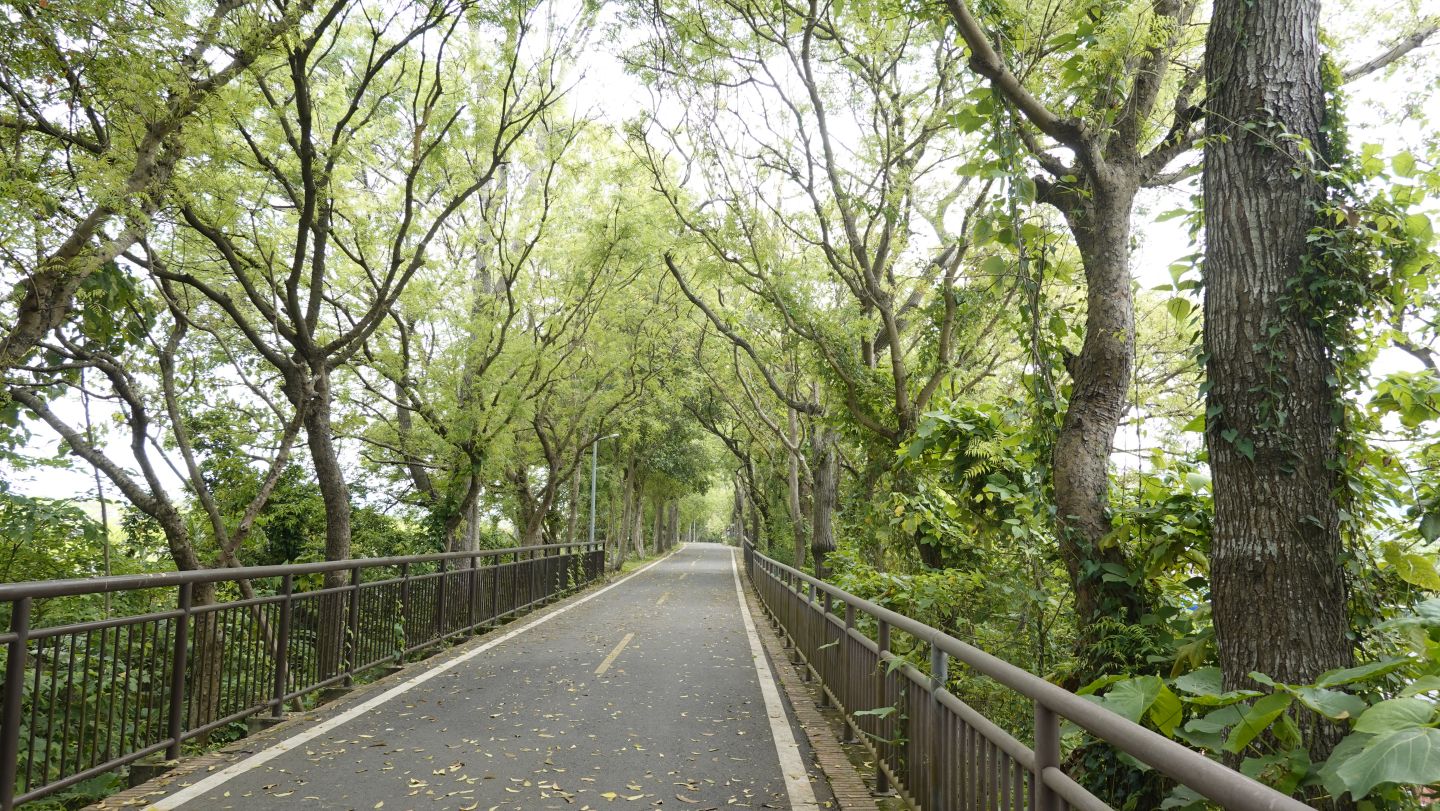
於習慣快節奏決策與全球市場移動的企業高階主管來說,台灣的鄉鎮或許看似離商業策略甚遠,但當你踏上一趟東豐自行車綠廊的旅程,會發現這片土地正用自己的語言,訴說著轉型與韌性的故事。
這不僅是一條充滿綠意的騎行路線,更是一條串聯歷史記憶、農業智慧與地方創新的軸線。
▋從重要經濟動脈變身熱門騎行路線
東豐自行車綠廊全長約13公里,起點位於台中市豐原區,終點接至東勢區。它的前身為日本時代建設、後於1991年停駛的東勢支線鐵路。這條鐵路過去是台灣中部山區物資的重要運輸線,尤其是農產、木材、樟腦等物資的集散動脈。
如今,透過政策整合與地方參與,這條舊鐵道搖身一變成為自行車道,不與車輛共道,安全性與風景品質兼具。而它與后豐自行車道連接,讓整條旅程可一路騎至后里火車站,與台鐵系統接軌,成為少數能「從鐵馬接火車」的低碳綠色路線。
這種從交通機能轉化為文化與觀光價值的過程,對企業經營者而言,其實是一種「資產再定義」的成功案例。舊有基礎設施並非結束,而是轉型的起點。
▋高接梨產業面對困境的華麗再生
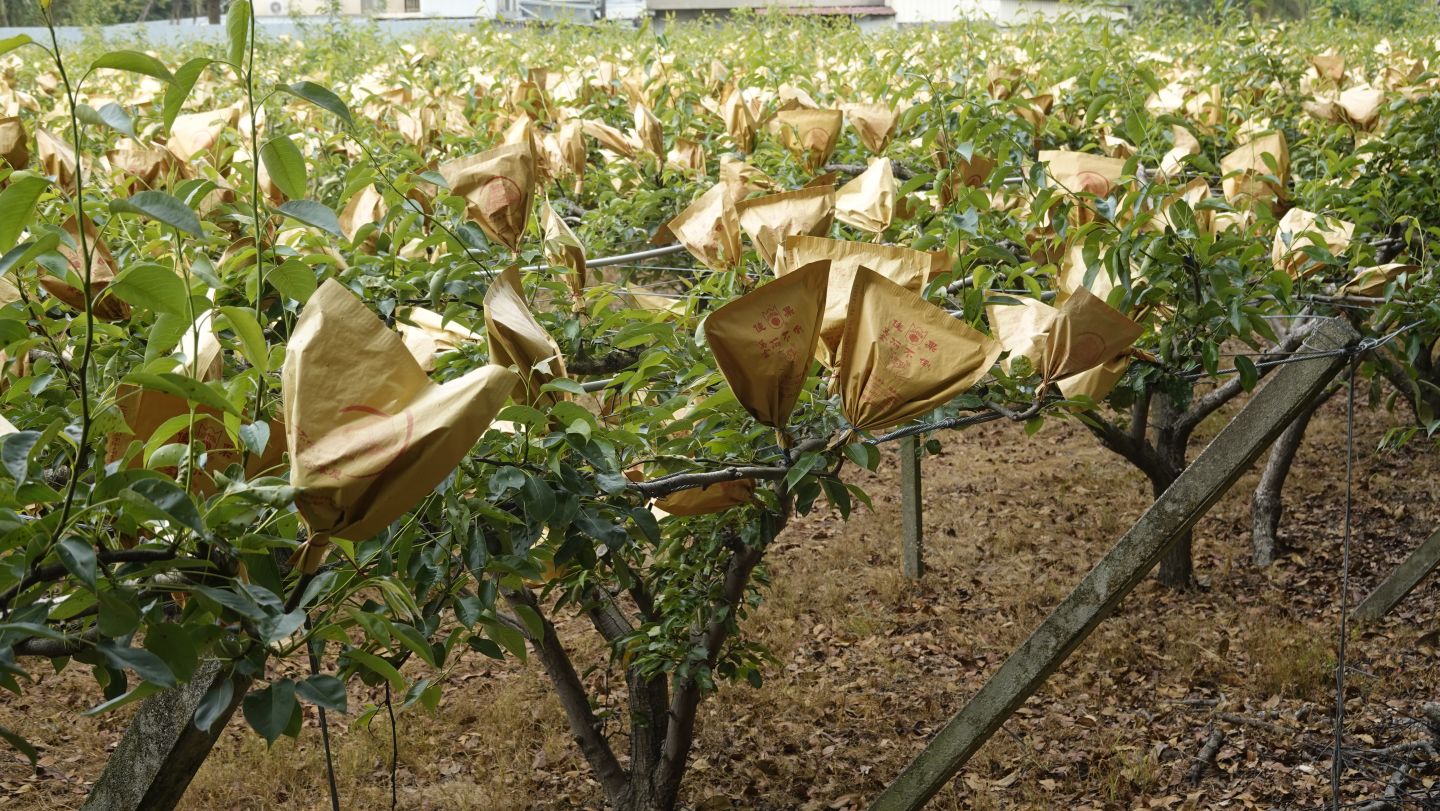
騎乘東豐自行車綠廊的過程中,從石岡到東勢這一段是最迷人的區段。車道兩側的綠意延伸如畫,而當接近東勢市區時,會發現路邊的田間出現一排排套上白色紙袋的果樹,低垂的枝頭透露著一種細緻的農藝智慧。
這些紙袋之下,正是東勢地區的驕傲──「高接梨」。東勢的高接梨產業源自於中部山區得天獨厚的氣候條件,冬季足夠低溫、日夜溫差大,造就果肉脆甜、果皮薄嫩的品質特色。梨農們以傳統人工嫁接技術,讓台灣梨樹嫁接上日本品種,例如幸水、新興等,再配合紙袋套果防病蟲與日曬,成就一顆顆外銷等級的優質梨果。
儘管面臨高齡化與進口水果競爭,東勢的梨產業仍努力升級轉型,導入智慧農業監測、產銷履歷,並與觀光產業結合,發展「梨花季」、「採果體驗」等活動。這代表一種地方產業在困境中尋求價值再創造的實踐。
▋一顆梅子啟發的思考:打造「體驗型產業鏈」
抵達東勢後,筆者選擇在一家小店午餐,這家店由年輕人返鄉經營,店內乾淨整潔、菜單簡潔明確、味道扎實不油膩。更重要的是,從布置與服務中感受到經營者對細節的重視與對家鄉的熱愛。
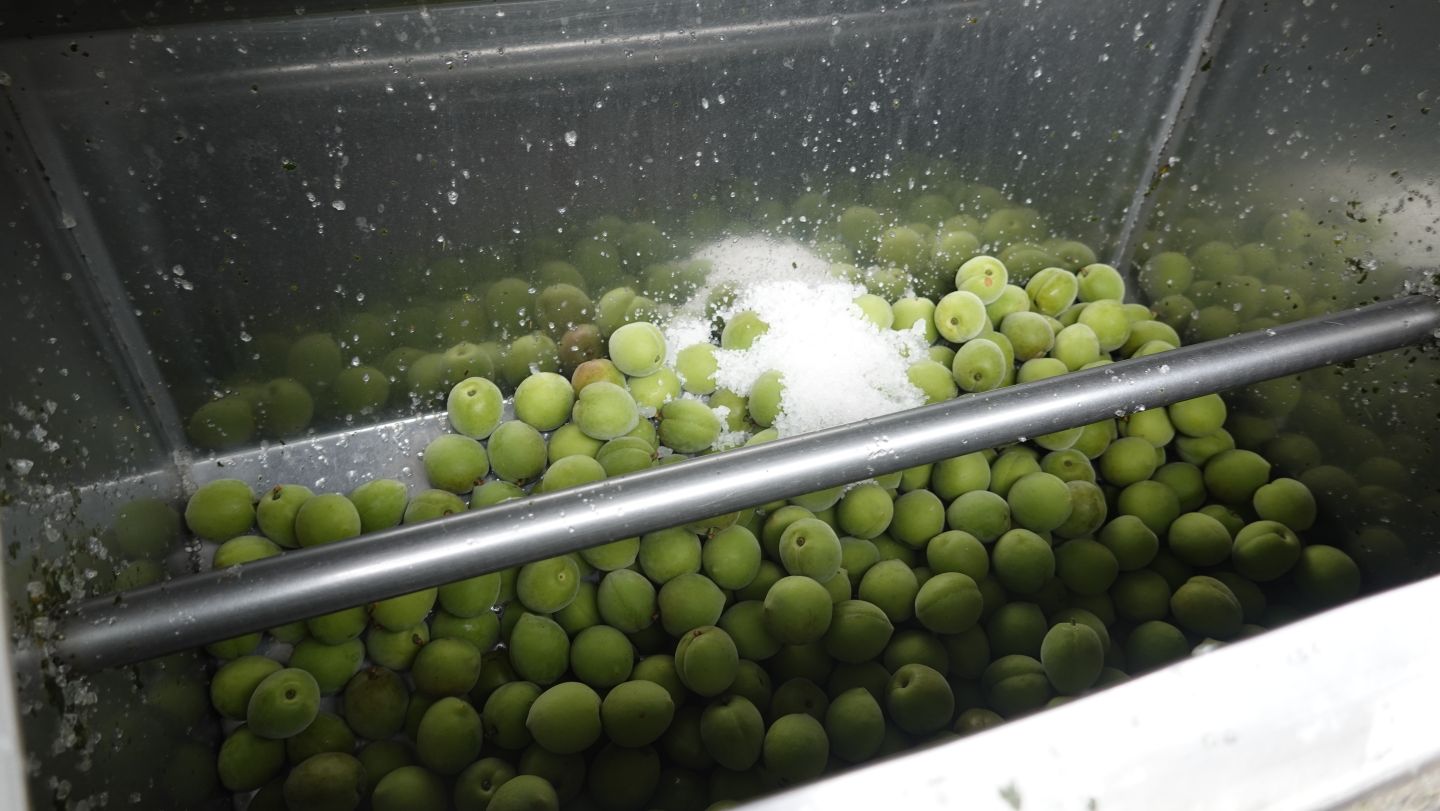
當騎乘結束,準備返回后里火車站時,意外經過一處加工場,只見幾位婦人正在操作機器,為一籃籃梅子除去表皮的絨毛。原來這裡是「東勢青果市場」,當地人稱為「骨菜市場」──是早期台中山區農產品的重要集散地。
雖然市場規模與當年相比已縮小,但仍見證著東勢作為水果重鎮的歷史角色。當鐵道從運輸轉為觀光,觀光也可能反過來成為產業的支撐。問題是:東勢的產業要如何不只「留下」記憶,而是再創「動能」?
或許答案不在單一商品,而在整合性的敘事與系統設計。例如將自行車道沿線農業、加工、市集、飲食與故事結合,打造「從果園到餐桌」的體驗型產業鏈;或是透過地方創生政策,引進青年創業資源與品牌培育,讓東勢不只是生產地,更是文化與生活方式的發信地。
▋土地的韌性轉型,給企業的一堂課
東豐自行車綠廊不僅是旅人遊憩的綠色長廊,更是一條連結過去與未來、農業與生活、歷史與創新的文化脈絡。對企業高階主管而言,這段旅程的啟發可能超越休閒──它提醒我們:真正具韌性的系統,不只是效率最佳化,而是能夠適應轉變、重新創造價值的能力。
在這片仍在呼吸與努力的土地上,東勢與東豐的故事,正是台灣風土最有力量的注解。未來的商業與地方,不該是割裂的兩條線,而是可以相互啟發、彼此成就的共同體。這趟騎乘,不只是通勤的反向體驗,而是一種嶄新思維的啟動。