logo icon
Story of the Day
logo icon
search icon

Summer's Sweet Darling: Yuherbau's Journey to Sustainable Perfection

share
Facebook Share IconLine Share IconCopy Link Icon
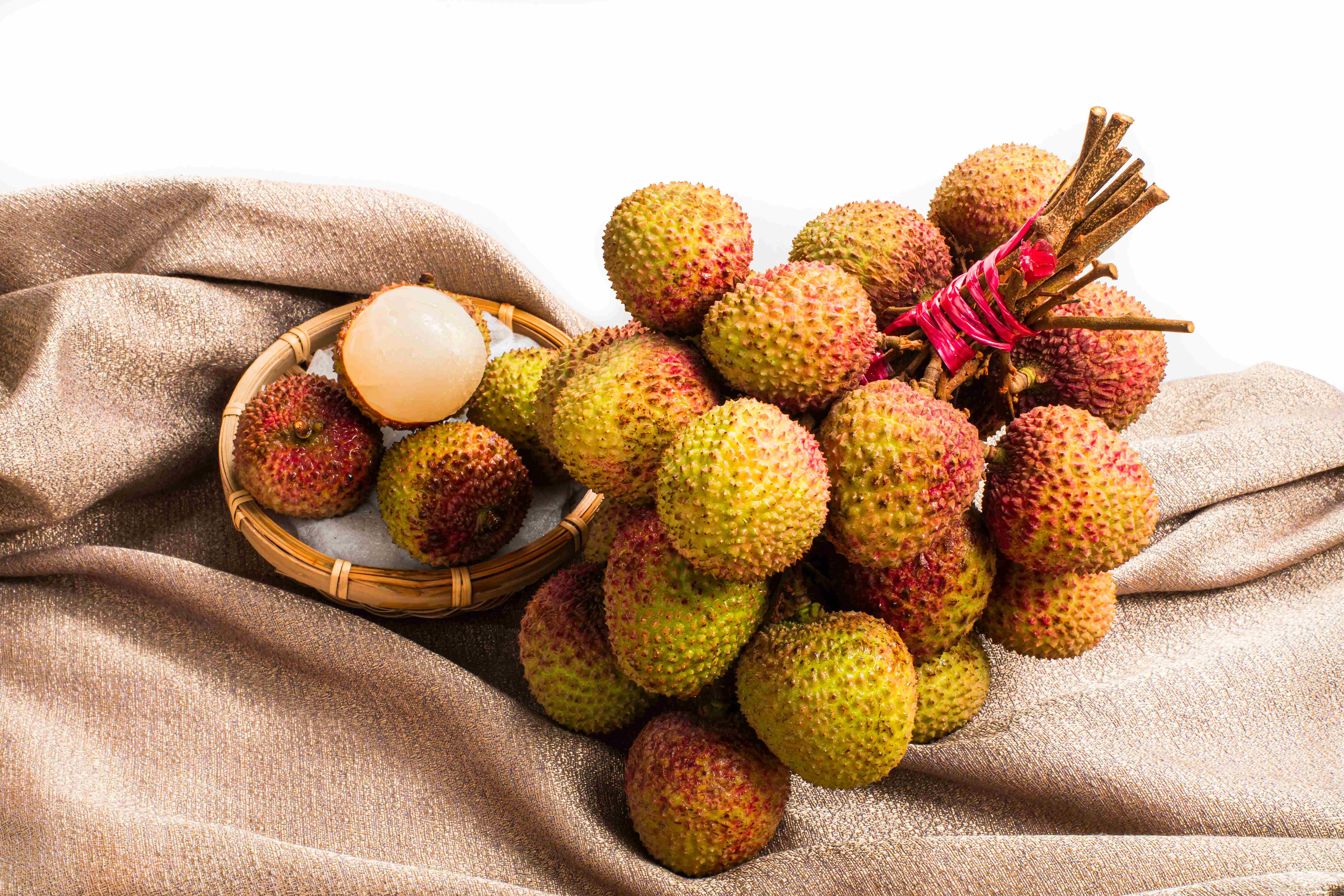
Yuherbau's small seeds, thick flesh, and abundant sweet juice have made it a perennial market favorite. Whenever these distinctive lychees appear in markets—with their red-tinged-green skin, spiky exterior, and characteristic purse-like shape—it signals that summer is just around the corner. (Photo source: iStock)

◤Text by Kao Ching-Yu

Come late May each year, devoted Yuherbau (玉荷包) enthusiasts begin stirring with anticipation—the eagerly awaited 20-day harvest season for this prized lychee variety is about to begin. In the primary growing region of Dashu District in Kaohsiung City, orchards burst with heavy-laden lychee trees, their fruits blushing crimson under the intense sun as farmers patrol below, craning their necks and wielding hooked poles to inspect the ripening bounty above.

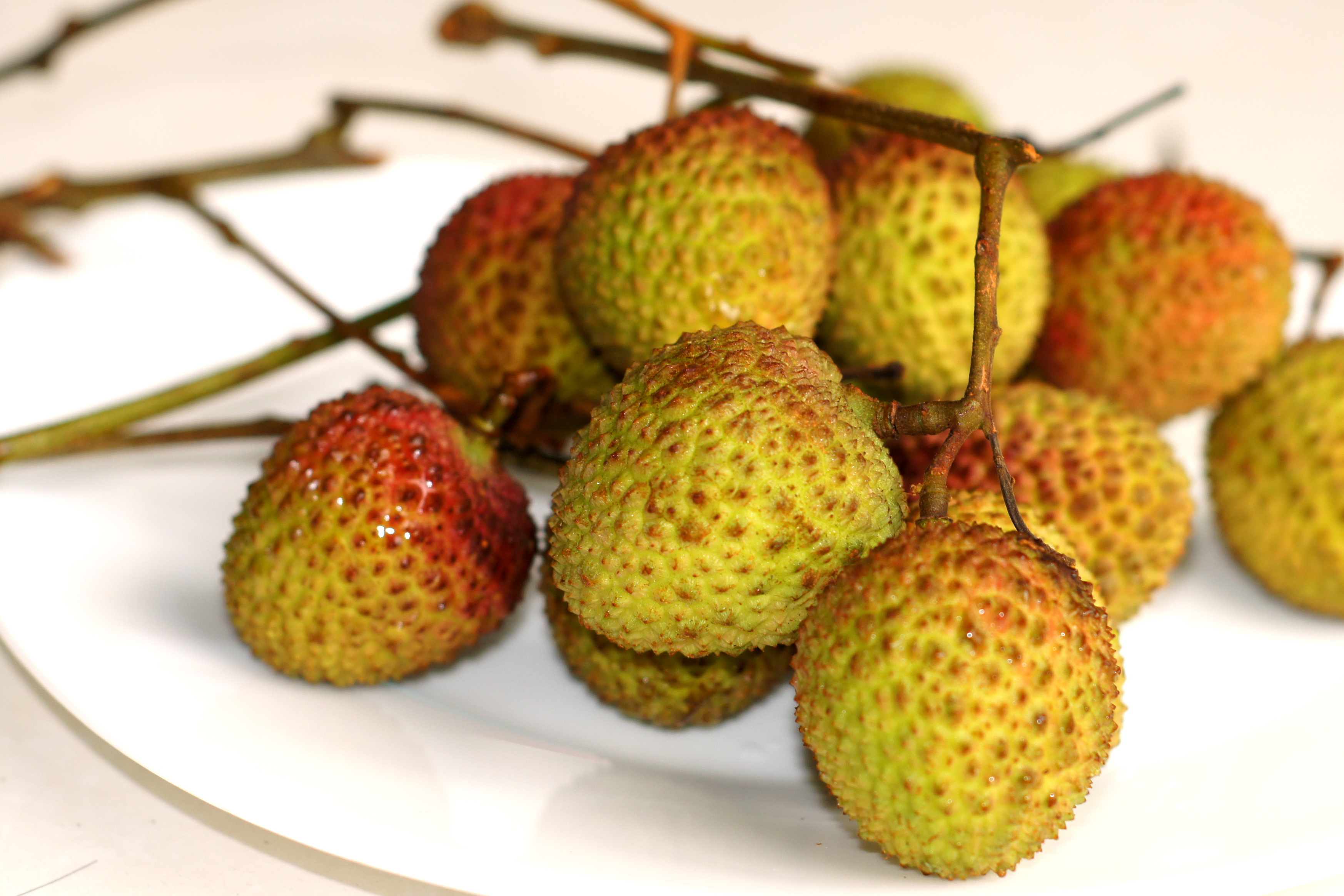
Yuherbau reaches peak perfection when harvested at 60-70% ripeness. The ideal specimens display plump, well-formed fruit with skin showing that half-red, half-yellow-green coloration. When peeled, the flesh should release no excess juice—instead, every drop stays locked within until that first delicious bite unleashes a rush of honeyed sweetness touched with gentle tartness. The tender, springy flesh delivers an intensely aromatic sweetness that's simply irresistible.

Across Asia, Taiwan stands alongside China's Fujian, Guangdong, and Guangxi provinces as the most celebrated lychee-growing regions, collectively dominating global production. Taiwan's lychee story began over 300 years ago when Zhang Jun brought the first varieties from Fujian, establishing experimental groves along what is now the border between Kanding and Nanzhou townships in Pingtung County. A century later, Zheng Zhaoji introduced additional cultivars from Guangdong, primarily cultivating them around Hsinchu's Xiangshan area.

The breakthrough came through the meticulous breeding work at the Fengshan Tropical Horticultural Experiment Station. Their careful cultivation and improvement efforts yielded fruit with distinctively firm yet succulent flesh—so delicate and lustrous it resembled white jade, hence the poetic name “Yuherbau (jade purse)”.


▏The fruit reaches perfect plumpness with its signature half-red, half-yellow-green skin, marking the ideal moment for peak flavor. (Photo source: Wikipedia)

Lychee's fleeting freshness has long been recognized since ancient times. Tang Dynasty poet Bai Juyi captured this ephemeral nature perfectly in his "Preface to Lychee Painting": "Once separated from the branch, the color changes in one day, the fragrance fades in two, the flavor transforms in three—after four or five days, color, fragrance, and taste have all vanished." His vivid description chronicles the rapid browning that occurs if these delicate fruits aren't consumed immediately after harvest.

​​Despite decades of agricultural innovation introducing new varieties like Yan Li (艷荔), Meigui Hong (玫瑰紅), and Da Ding Xiang (大丁香), Yuherbau remains Taiwan's most prized lychee. Whether measured by fruit size, quality, or market value, this variety continues to outrank all other Taiwan-grown lychee cultivars.​

The Making of a Lychee Legend

Yuherbau's rise to today's glory actually follows a challenging journey, one that must include the legendary story of Mr. Wang Jin-dai, known as the "Father of Yuherbau."

Around the 1960s, Dashu District primarily cultivated Black Leaf lychees, but fruit set rates remained stubbornly low. Through the dedicated research and improvements by local farmer Wang Jin-dai—a man with an unwavering passion for lychees—fruit set rates soared to 70%, significantly boosting farmers' income.

Thirty years later, Black Leaf lychees hit a market ceiling and prices began tumbling. Dashu farmers pivoted en masse to Yuherbau, a promising new variety provided by the agricultural research station. But this cultivar proved almost too vigorous in flowering—severe nutrient competition resulted in undersized fruit, lackluster flavor, and massive fruit drop, making it nearly impossible to increase yields. Some growers, unable to withstand years of mounting losses, abandoned their orchards altogether.

But after two years of dedicated research, Mr. Wang Jin-dai gradually mastered the precise temperature, humidity, and rainfall patterns essential for lychee growth, developing what became known as the "Wang Method" of flower pruning. This technique involved cutting away over 80% of the flower buds during Yuherbau's blooming period, followed by two rounds of fruit thinning. The results were remarkable—not only did the trees successfully bear fruit, but both quality and yield improved dramatically.

The orchards in Dashu District also benefited from their prime location on well-drained northern hillsides, where the soil consists of fertile red and yellow earth mixed with sandy elements rich in iron and magnesium, bathed in abundant sunshine—ideal conditions for Yuherbau cultivation. The advantages of slope cultivation extend beyond excellent drainage: the cooler winter temperatures and lower humidity create perfect flowering conditions. The region's January climate—with daytime averages around 21°C and nighttime temperatures dropping to about 11°C—provides the optimal environment for temperature-sensitive Yuherbau trees to flourish and bloom.

After pollination, Yuherbau requires two rounds of fruit thinning to meet market standards. The first thinning occurs when fruits are rice grain-sized, the second when they reach peanut kernel size—only the remaining fruits after this selective process become the Yuherbau destined for harvest. By this stage, the growing region basks in full sunshine throughout the day, accelerating Yuherbau's ripening while boosting sugar content. The result is exceptional fruit with clean sweetness balanced by gentle tartness.

Following his breakthrough, Wang Jin-dai generously shared his Yuherbau cultivation techniques with fellow farmers, sparking prosperity throughout the entire village as lychee yields soared. Today, Kaohsiung cultivates approximately 2,200 hectares of Yuherbau, with 85% concentrated in Dashu District, establishing it as Taiwan's largest Yuherbau production area and transforming Kaohsiung's entire lychee industry. For these achievements, Wang Jin-dai earned legendary status with titles including "Founding Father of Yuherbau," "Father of Yuherbau," "Lychee King," and "Lychee Doctor."


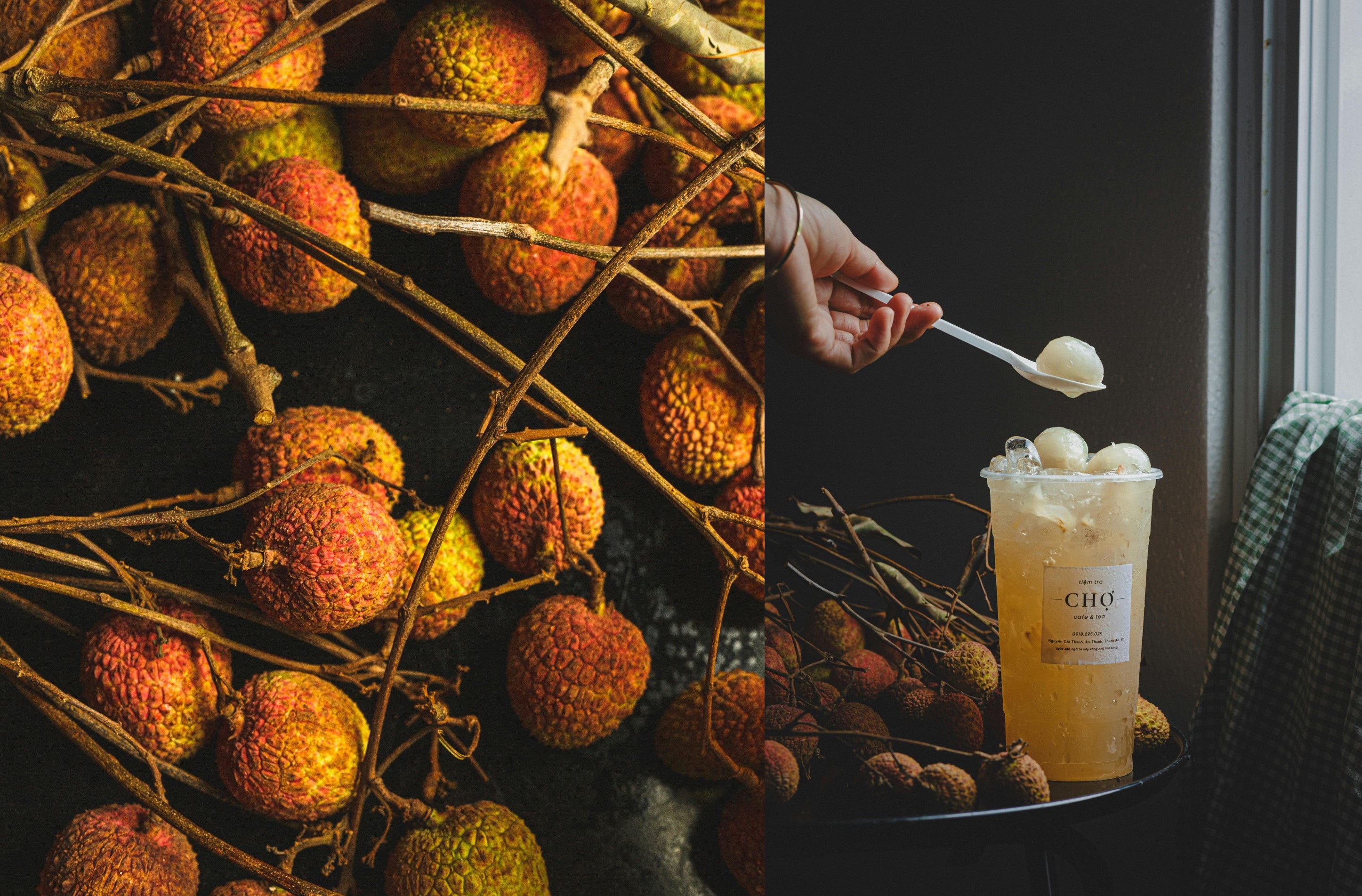
▏Wang Jin-dai developed the "Wang Method" of flower pruning, which cultivated Yuherbau with rapid ripening, high sugar content, clean sweetness with subtle tartness, and exceptional quality. The fruit's exquisite flavor has since inspired a wide array of specialty products. (Photo source: unsplash)

The Ideal Convergence of Conditions, Geography, and Know-How

Beyond providing abundant nectar during its flowering period for bees to harvest lychee honey, Yuherbau's exquisite flavor has earned exceptional international acclaim, particularly winning favor across Europe. Taiwan's high cultivation standards for Yuherbau set it apart from other exporting countries that focus on high-volume, low-cost Black Leaf lychees. Through breakthrough production techniques, Yuherbau delivers superior sweetness while maintaining higher compliance rates for pesticide residue and pest control standards.

Recent innovations include green light treatment, which has dramatically reduced damage from lychee leaf miners—one of Yuherbau's primary pests—from 36% to just 2%. Combined with net house cultivation, this approach cuts pesticide use by 50%, creating more sustainable farming practices while reducing production costs. The resulting quality perfectly suits overseas markets like Japan, Europe, and North America, where consumers demand premium standards and rigorous quality control, significantly boosting Taiwan's export competitiveness.

Currently, Taiwan exports fresh lychees primarily to Japan and New Zealand. While air freight has traditionally dominated shipments, New Zealand now serves as the testing ground for sea freight trials. If successful in reducing costs, this breakthrough could open doors to showcase Yuherbau across even more European and North American markets.


Note: Names of varieties, publications, and individuals without established English equivalents are rendered using pinyin transliteration; refer to the original Chinese text for authoritative spellings.

Explore more
果乾─台三線客家莊是主力產區
果乾為以日曬、烘乾等方法去除水份之水果。台灣素有「水果王國」之美名,以地利與氣候之便,出產之水果種類繁多,風味亦佳,若遇豐年,果品收穫量豐碩、無法盡售,出於惜物愛物之精神,將水果烘乾後,不僅能延長水果的食用期限,果乾更因加熱造成糖份濃縮,風味更顯鮮甜可口。
Longan: How Wood-Fired Fruit Powered a World Baking Championship Victory
In Taiwan's resource-scarce past, midsummer meant racing beneath longan trees for a coveted bunch of fruit. Peeling away the rough brown skin revealed translucent white flesh with a dark seed at its center—resembling a miniature eye, hence the name "dragon eye." That honeyed sweetness defined childhood for generations of Taiwanese kids.
Mango: Over 20 Varieties Building Taiwan's Reputation as the Mango Kingdom
Taiwan, proudly known as the "Kingdom of Fruits," draws summer visitors from around the globe for one irresistible treasure: the mango.