


◤Text and Images / iSee Taiwan Foundation Editorial Team
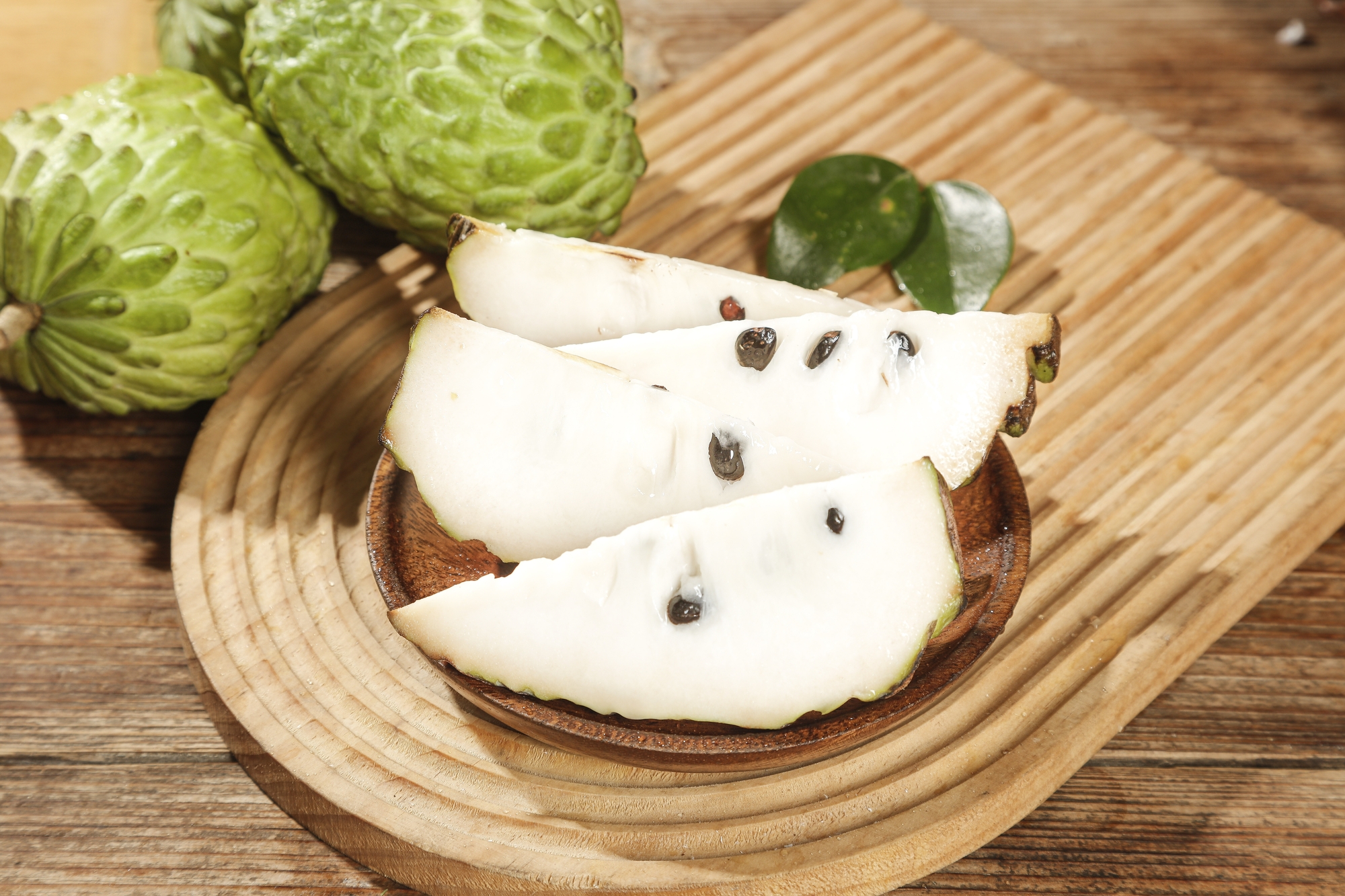
Annona × atemoya, commonly known as atemoya, is a hybrid fruit tree in the Annonaceae family, bred by crossing the sugar apple (Annona squamosa) with the cherimoya (Annona cherimola). Despite the Chinese name "pineapple sugar apple," atemoya is not botanically related to pineapple. It bears no botanical relation to the pineapple; the name simply evokes the fruit's sweet-tart flavor, which many find reminiscent of pineapple. Compared with the "Da Mu" sugar apple cultivar, which is commonly grown in Taiwan, atemoya produces larger fruit with denser flesh and a tighter bond between the skin and pulp. It typically requires ripening before being sliced open with a knife. The da-mu variety, by contrast, can be pulled apart by hand or scooped with a spoon, and is prized for its soft, melt-in-the-mouth sweetness. Atemoya's greater durability in storage and transit has made it an important item in Taiwan's custard-apple exports.
Winter Fruit, Steadier Quality
Atemoya's foothold in Taitung owes much to advances in harvest-season management and hand-pollination techniques. Taiwan introduced the Gefner variety from Israel as early as 1965, but summer-harvested fruit-produced between July and November-proved prone to splitting at the stem during the ripening process, undermining its commercial value. From 1993 onward, the Taitung District Agricultural Research and Extension Station applied techniques to regulate the fruiting season, shifting production from summer to winter, while promoting hand-pollination to stabilize both quality and yield.
The winter harvest runs from December through April of the following year. Taitung's mountain-backed, sea-facing terrain offers ample sunlight, well-drained slopes, and loamy soil-conditions ideally suited to atemoya cultivation. The townships of Beinan, Donghe, Taitung City, Luye, and Taimali have emerged as the main growing areas. According to Ministry of Agriculture data, Taitung County accounts for roughly 99% of the island's total cultivation area. In the 2024-2025 season, the national harvest covered approximately 2,454 hectares, with projected output of around 12,761 metric tons.
Fresh atemoya exports face persistent constraints in shelf life, plant quarantine regulations, and cold-chain logistics. Beyond established markets such as China, growers and exporters continue to explore new channels. Processing has emerged as a parallel strategy: in recent years, the Ministry of Agriculture's Agriculture and Food Agency has supported cold-chain infrastructure along the supply chain and encouraged producers to develop value-added products-including diced fruit, purées, fillings, frozen desserts, and fruit wines-extending shelf life and improving market flexibility.
Beyond fresh consumption, atemoya has gradually found its way into desserts, frozen treats, and specialty gift products. From the red earth orchards of Taitung to overseas shelves, atemoya is more than a sweet fruit-it tells an industry story shaped by Taitung's agricultural technology, local growing conditions, and adaptation to changing markets.