
'%20fill='%23a9976d'/%3e%3cpath%20id='Path_251'%20data-name='Path%20251'%20d='M8,35a1,1,0,0,1,1-1H23a1,1,0,0,1,0,2H9A1,1,0,0,1,8,35Z'%20transform='translate(-8%20-22)'%20fill='%23a9976d'/%3e%3cpath%20id='Path_252'%20data-name='Path%20252'%20d='M9,22a1,1,0,0,0,0,2h8a1,1,0,0,0,0-2Z'%20transform='translate(-8%20-16)'%20fill='%23a9976d'/%3e%3c/svg%3e)
'%20fill='%23a9976d'/%3e%3c/g%3e%3c/svg%3e)
'%3e%3cg%20id='Ellipse_27'%20data-name='Ellipse%2027'%20transform='translate(813%20250)'%20fill='none'%20stroke='%23ccac89'%20stroke-width='1'%3e%3ccircle%20cx='16'%20cy='16'%20r='16'%20stroke='none'/%3e%3ccircle%20cx='16'%20cy='16'%20r='15.5'%20fill='none'/%3e%3c/g%3e%3cg%20id='facebook'%20transform='translate(824.105%20258.296)'%3e%3cpath%20id='Path_243'%20data-name='Path%20243'%20d='M8.894.111V2.556H7.441a1.361,1.361,0,0,0-1.074.333,1.534,1.534,0,0,0-.278,1v1.75H8.8L8.441,8.38H6.089v7.028H3.255V8.38H.894V5.639H3.255V3.62A3.582,3.582,0,0,1,4.218.949,3.5,3.5,0,0,1,6.783,0,15.317,15.317,0,0,1,8.894.111Z'%20transform='translate(0%200)'%20fill='%23ccac89'/%3e%3c/g%3e%3c/g%3e%3c/svg%3e)

'%3e%3cg%20id='Ellipse_29'%20data-name='Ellipse%2029'%20transform='translate(901%20250)'%20fill='none'%20stroke='%23ccac89'%20stroke-width='1'%3e%3ccircle%20cx='16'%20cy='16'%20r='16'%20stroke='none'/%3e%3ccircle%20cx='16'%20cy='16'%20r='15.5'%20fill='none'/%3e%3c/g%3e%3cg%20id='link-45deg'%20transform='translate(902.607%20253.105)'%3e%3cg%20id='Group_479'%20data-name='Group%20479'%20transform='translate(7.393%205.896)'%3e%3cpath%20id='Path_241'%20data-name='Path%20241'%20d='M10.246,17.821,8.507,19.56a3.8,3.8,0,0,0,5.378,5.378L16.2,22.62a3.8,3.8,0,0,0-1.05-6.12l-.743.743a1.27,1.27,0,0,0-.2.252,2.535,2.535,0,0,1,1.091,4.23L12.99,24.042A2.536,2.536,0,0,1,9.4,20.455l1.005-1a5.093,5.093,0,0,1-.162-1.631Z'%20transform='translate(-7.393%20-12.02)'%20fill='%23ccac89'/%3e%3cpath%20id='Path_242'%20data-name='Path%20242'%20d='M18.236,9.327a3.8,3.8,0,0,0,1.05,6.12l.982-.984a2.535,2.535,0,0,1-1.136-4.241L21.448,7.9a2.536,2.536,0,1,1,3.587,3.587l-1.005,1a5.1,5.1,0,0,1,.162,1.631l1.739-1.739A3.8,3.8,0,1,0,20.553,7.01Z'%20transform='translate(-13.011%20-5.896)'%20fill='%23ccac89'/%3e%3c/g%3e%3c/g%3e%3c/g%3e%3c/svg%3e)
◤文/特約作家一Melody
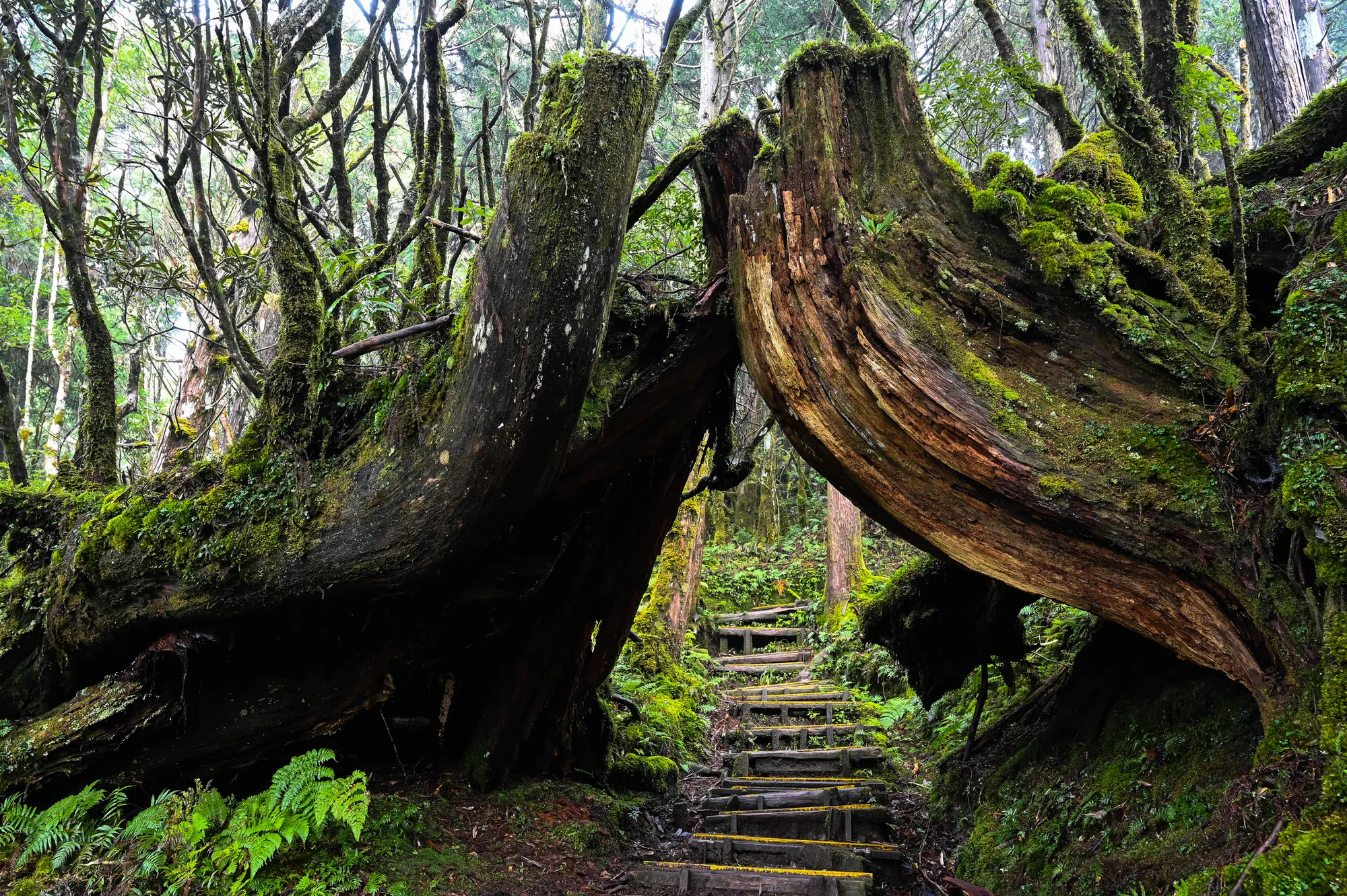
台灣擁有多元的森林資源——共有24處森林遊樂區、3處平地森林園區、154條自然步道、4處林業文化園區和8處自然教育中心,每年提供優質的遊憩體驗達700萬人。目前正積極結合生態、歷史文化及公私部門資源,推動永續旅遊軸帶及旅遊網的發展,創新以「風味」強調森林療癒功能,建構值得「特別來一趟」的森林育樂吸引力。
走進森林裡吃個飯
到森林裡吃個飯,這不僅是一次簡單的用餐,更是一種對永續生活的實踐。
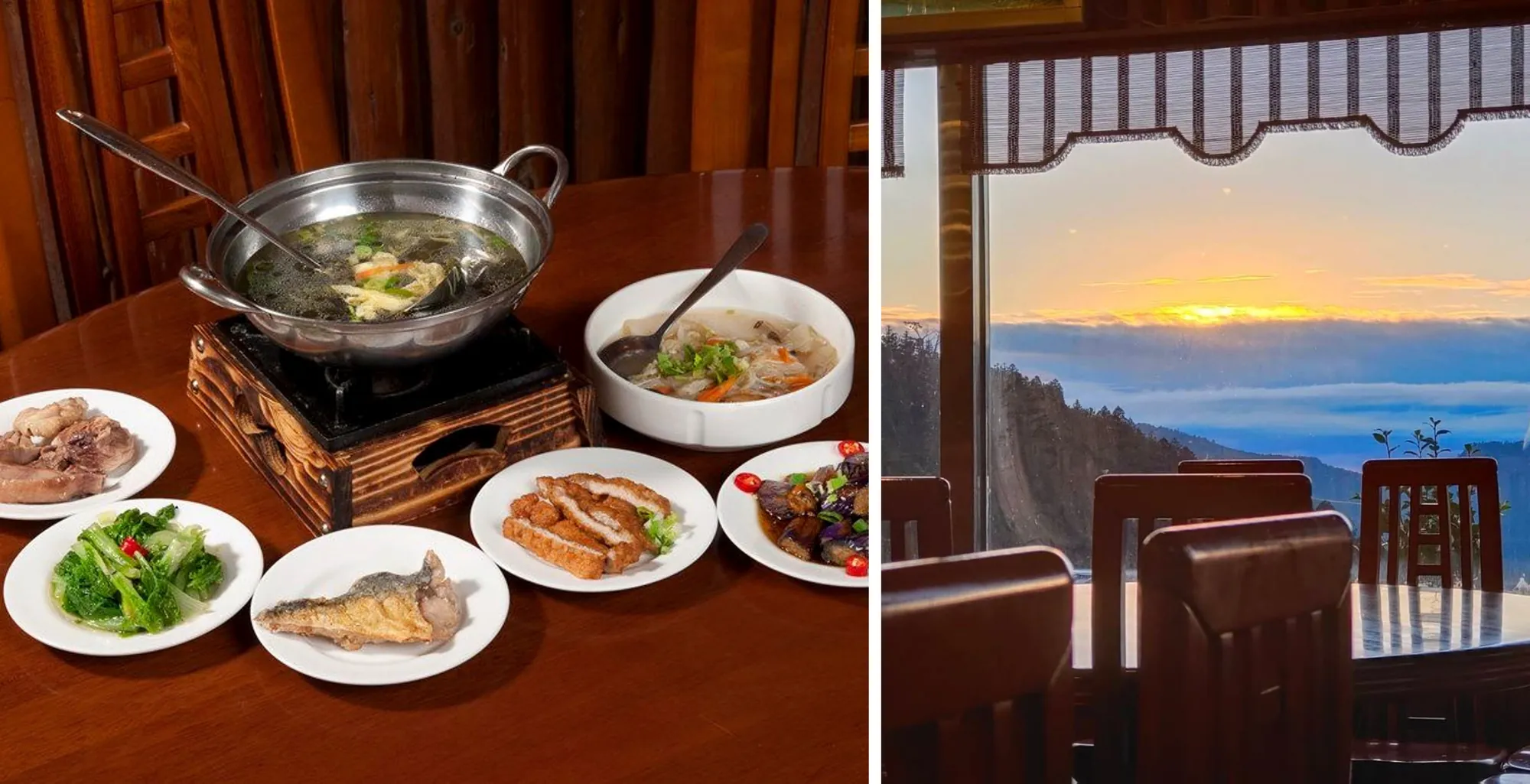
在太平山國家森林遊樂區,不僅能沉浸在大自然的美景中,還能享受到由宜蘭在地有機食材製作的美味佳餚。
太平山國家森林遊樂區不僅可享受日治時期稱為「旭澤」的夢幻溫泉,更是推廣永續森林美食的典範。園區裡闢有兩座水槽供遊客煮蛋,泉水送入山莊後仍保持約75℃。
當地餐廳也以「地產地銷」為理念,採用宜蘭在地的有機生鮮農產品,確保食材的新鮮和安全,特別是「米」——宜蘭縣冬山鄉所產的優質在地米。2018年,太平山餐廳從農委會農糧署取得「台灣米標章」認證,推廣冬山鄉1600公頃好山好水種出的飽滿米質。
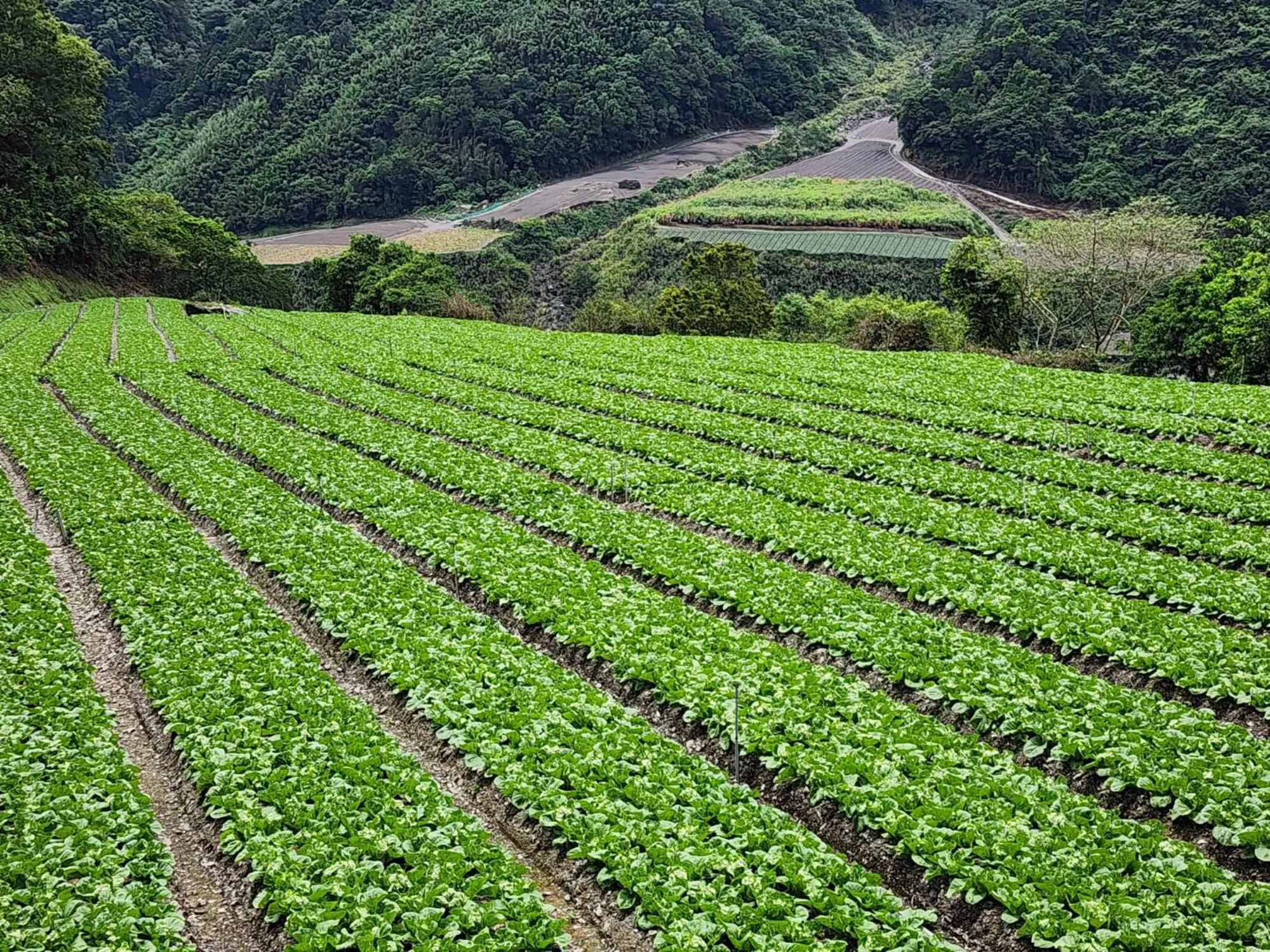
森林、農場與餐廳的合作不僅促進地方經濟、穩定有機農產品市場,也落實生態旅遊並降低碳足跡。
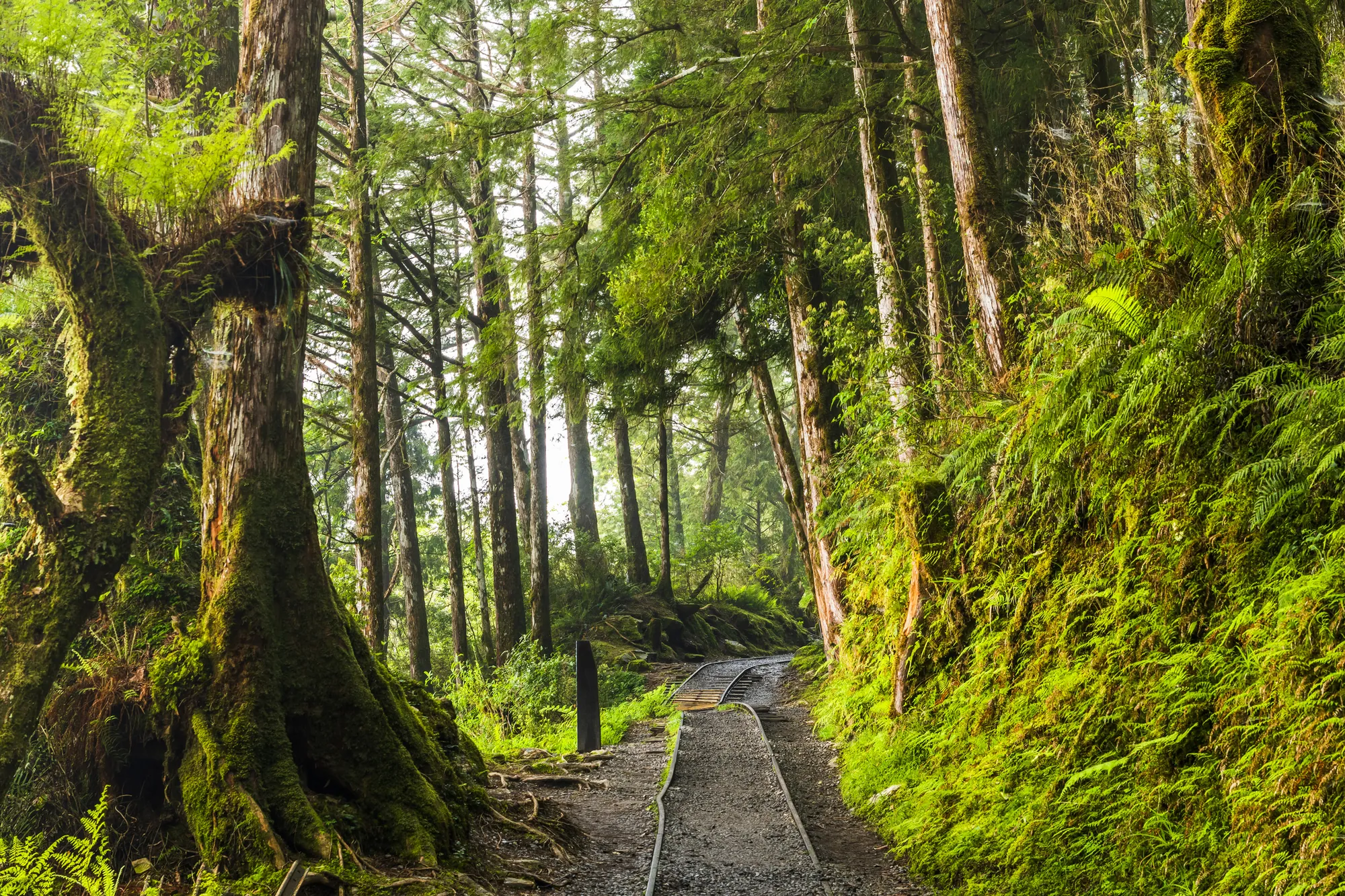
在雲霧繚繞的步道中,阿里山國家森林遊樂區以當地盛產的高山雲筍烹出好菜;東眼山國家森林遊樂區也設有環保署認證的綠色餐廳,在以柳杉和杉木組成數百公頃的人造林地中,同時享受森林浴與美食風味探索,深度體驗「綠色旅遊」的慢食之味。
植物獵人與主廚的對話
來到台灣屏東縣高樹鄉,有一個充滿生命力和熱情的地方——辜嚴倬雲植物保種中心。這裡是世界上最大的熱帶植物保種中心,收藏了超過3萬種植物。洪信介,綽號「阿介」,是一位從小過動、只有國中學歷,卻成為國家地理頻道認證的植物獵人,在這裡擔任重要的角色。
洪信介和他的團隊致力於保護和保存瀕危的植物種類,將這些珍稀植物從遙遠的國度帶回台灣,並成功讓它們在異地生存。
他的工作不僅僅是蒐集和保存植物,還與各行各業的專家合作,讓這些植物在不同的領域發揮更大的價值。其中一個令人矚目的合作,就是與法朋甜點主廚李依錫的跨界創作。
李依錫是台灣著名的甜點師,擅長將台灣本土的農產品運用在法式甜點中,創造出獨具特色的美味。
他曾與許多不同的農家合作,將當地的新鮮食材融入創作中。例如雲林青農耕種哈密瓜,因為李依錫的穩定契作銷量,使得這些嬌貴哈密瓜能在異地落地生根。
洪信介與李依錫初次見面時,立刻產生共鳴。兩人都有一個共同的心願,就是讓本土植物與農產品為台灣的未來留下印記。
於是,洪信介帶來了一株台灣原生香料植物——馬告,並與李依錫共同創作了「馬告起酥」。法式千層酥被賦予奶油香氣又堆疊著濃郁胡椒與薑香,風味獨特且層次分明,收錄在法朋「漫步台灣」餅乾禮盒,與嘉義阿里山烏龍茶、埔里有機栽培山形玫瑰、霧峰東北方丘陵群山中採集的龍眼……譜成台灣原始林與國際甜點舞台的美好相遇。

享受美食,同時體驗永續森林的魅力
永續森林與從它誕生的風味,在台灣藉由「深度旅行」商機而日益蓬勃。
例如,近年來因環境開發、馬告主幹遭到濫砍,導致山林中的野生馬告數量愈來愈少,位在新北烏來的「谷繞有機農場」便大膽轉型,積極復育馬告樹、開放參觀推廣泰雅族傳統香料植物的應用,手作帶有檸檬清香的獵人馬告香腸人氣極高。
往新竹尖石鄉的泰雅部落,也有餐廳開發馬告燒鴨風味料理,與馬告溪蝦、馬告鱸魚搭配獵人包飯一起享用,與當地農場合作以儲備糧食、智慧生火體驗吸引深度旅人,帶來森林五感療癒的豐富旅程。
這些舉措不僅推動了生態旅遊的發展,也體現了林下經濟與永續循環的概念,讓人們在探索自然之美的同時,也能促進資源永續利用,讓遊客在享受美食的同時,體驗到永續森林的魅力。