


◤Text and Images / iSee Taiwan Foundation Editorial Team
Among Taiwan's 16 officially recognized indigenous peoples, the Amis are the most populous. Their traditional territories stretch across a long, narrow coastal corridor-spanning the plains and foothills of Hualien, Taitung, and Pingtung Counties. As education and employment have drawn community members toward urban centers, Amis communities have taken root in cities across the island as well.
The Amis are predominantly settled along the plains, foothills, and coastline. Their territory is expansive, and cultural practices vary considerably by region; they are commonly classified into five groups: the Northern, Central, Coastal, Falangaw, and Hengchun Amis.
Dates Vary Each Year; Schedules Differ by Village
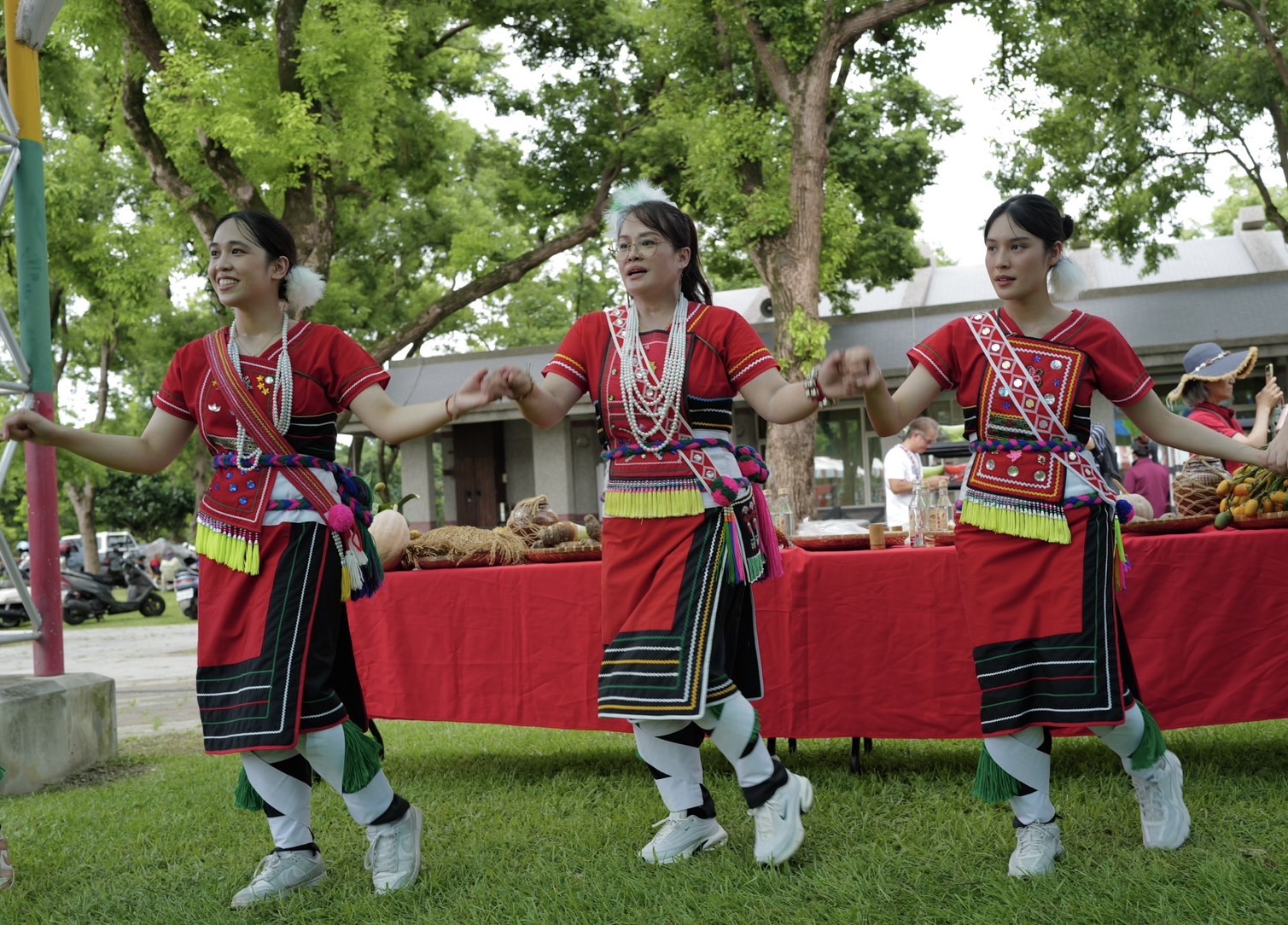
For the Amis, Ilisin-the harvest festival-ranks among the most significant events of the year, comparable in spirit to a tribal New Year. Held between July and September, Ilisin was originally tied to the millet harvest and offerings of gratitude to ancestral spirits; as farming practices shifted, it became increasingly associated with the rice harvest as well. Farming schedules, climate conditions, and tribal logistics all vary across regions, so there is no single unified date-each community observes the festival according to its own traditions.
In 2024, the Hualien County Pacific Austronesian Joint Harvest Festival ran from July 19 to 21, while individual villages followed their own agricultural and community calendars. Ritual proceedings typically include welcoming the spirits, feasting with them, and bidding farewell-though the specific sequence, along with roles assigned by gender and age cohort, differs from village to village.
At the heart of Ilisin are communal singing and dancing. Many dances are performed in formation, participants moving and singing in unison-an expression of collective rhythm and tribal order that deepens bonds among community members. Food plays a central role: grilled meats, millet wine, sticky rice cakes, and foraged wild vegetables all make appearances, reflecting the tribe's culinary traditions and culture of sharing.
The Amis are widely known for their warmth and hospitality, and each summer visitors from home and abroad are welcome at designated public ceremonies. Ilisin is not, however, a performance staged for outsiders. Certain ritual moments call for solemnity, and guests are expected to respect tribal protocols around photography and participation. Approaching another culture with care is what makes genuine exchange possible.