
'%20fill='%23a9976d'/%3e%3cpath%20id='Path_251'%20data-name='Path%20251'%20d='M8,35a1,1,0,0,1,1-1H23a1,1,0,0,1,0,2H9A1,1,0,0,1,8,35Z'%20transform='translate(-8%20-22)'%20fill='%23a9976d'/%3e%3cpath%20id='Path_252'%20data-name='Path%20252'%20d='M9,22a1,1,0,0,0,0,2h8a1,1,0,0,0,0-2Z'%20transform='translate(-8%20-16)'%20fill='%23a9976d'/%3e%3c/svg%3e)
'%20fill='%23a9976d'/%3e%3c/g%3e%3c/svg%3e)
'%3e%3cg%20id='Ellipse_27'%20data-name='Ellipse%2027'%20transform='translate(813%20250)'%20fill='none'%20stroke='%23ccac89'%20stroke-width='1'%3e%3ccircle%20cx='16'%20cy='16'%20r='16'%20stroke='none'/%3e%3ccircle%20cx='16'%20cy='16'%20r='15.5'%20fill='none'/%3e%3c/g%3e%3cg%20id='facebook'%20transform='translate(824.105%20258.296)'%3e%3cpath%20id='Path_243'%20data-name='Path%20243'%20d='M8.894.111V2.556H7.441a1.361,1.361,0,0,0-1.074.333,1.534,1.534,0,0,0-.278,1v1.75H8.8L8.441,8.38H6.089v7.028H3.255V8.38H.894V5.639H3.255V3.62A3.582,3.582,0,0,1,4.218.949,3.5,3.5,0,0,1,6.783,0,15.317,15.317,0,0,1,8.894.111Z'%20transform='translate(0%200)'%20fill='%23ccac89'/%3e%3c/g%3e%3c/g%3e%3c/svg%3e)

'%3e%3cg%20id='Ellipse_29'%20data-name='Ellipse%2029'%20transform='translate(901%20250)'%20fill='none'%20stroke='%23ccac89'%20stroke-width='1'%3e%3ccircle%20cx='16'%20cy='16'%20r='16'%20stroke='none'/%3e%3ccircle%20cx='16'%20cy='16'%20r='15.5'%20fill='none'/%3e%3c/g%3e%3cg%20id='link-45deg'%20transform='translate(902.607%20253.105)'%3e%3cg%20id='Group_479'%20data-name='Group%20479'%20transform='translate(7.393%205.896)'%3e%3cpath%20id='Path_241'%20data-name='Path%20241'%20d='M10.246,17.821,8.507,19.56a3.8,3.8,0,0,0,5.378,5.378L16.2,22.62a3.8,3.8,0,0,0-1.05-6.12l-.743.743a1.27,1.27,0,0,0-.2.252,2.535,2.535,0,0,1,1.091,4.23L12.99,24.042A2.536,2.536,0,0,1,9.4,20.455l1.005-1a5.093,5.093,0,0,1-.162-1.631Z'%20transform='translate(-7.393%20-12.02)'%20fill='%23ccac89'/%3e%3cpath%20id='Path_242'%20data-name='Path%20242'%20d='M18.236,9.327a3.8,3.8,0,0,0,1.05,6.12l.982-.984a2.535,2.535,0,0,1-1.136-4.241L21.448,7.9a2.536,2.536,0,1,1,3.587,3.587l-1.005,1a5.1,5.1,0,0,1,.162,1.631l1.739-1.739A3.8,3.8,0,1,0,20.553,7.01Z'%20transform='translate(-13.011%20-5.896)'%20fill='%23ccac89'/%3e%3c/g%3e%3c/g%3e%3c/g%3e%3c/svg%3e)
◤文/特約作家一FunnyLi 李佳芳
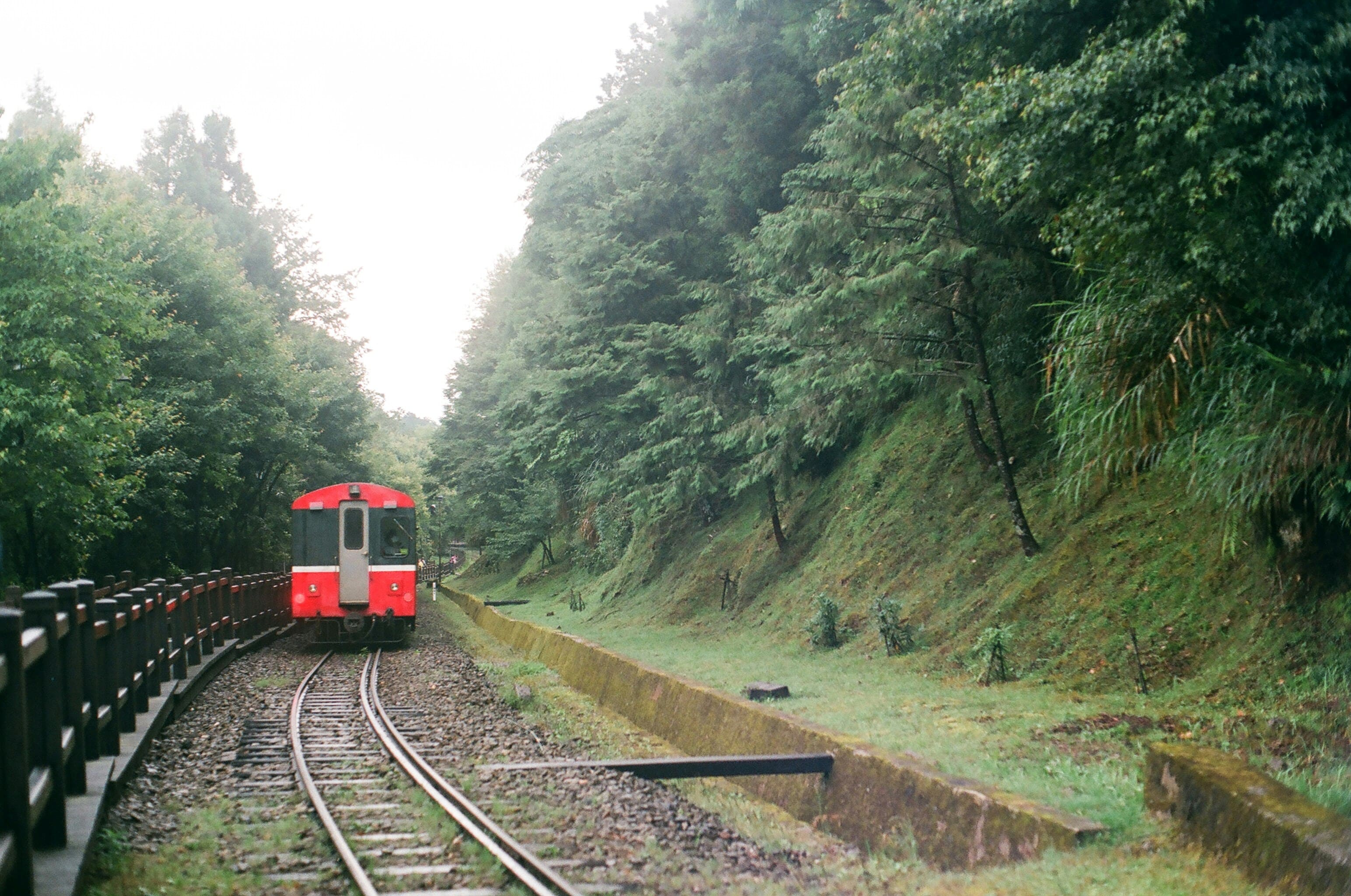
揭開台灣歷史,一定有個重要的章節,寫在阿里山這個舞台上。在日本時代的山林政策下,為了開發山林裡的珍貴樹材,於各個林場興建的森林鐵路,為台灣經濟發展史留下重要的軌跡,也成為台灣獨特的鐵路資產。
物換星移,當多數老森林鐵路退役停駛,路段不是磨滅消失、荒於山林,便是併入載客的台鐵,現今還能保持大量完好且運行的,便只有阿里山森林鐵路了。
翻開史料,1935年韓國皇太子來台旅行所公布的《李王垠殿下御視察日程》,當中便有乘坐森林鐵路貴賓車廂前往阿里山旅行的記載。這趟百年前獨領風騷的森林鐵路旅行,成了今日的經典路線。1937年,當時日本總督府把阿里山劃入國立公園,阿里山便成了台灣重要的觀光印象。
這條全長71.4公里的狹軌鐵路,從海拔30公尺的嘉義平原攀升至2,216公尺的阿里山森林遊樂區,串聯了多樣的生態系統和氣候帶,最初為運送珍貴林木而建,如今已轉型為重要的觀光資源。
阿里山森林鐵路沿線景點如奮起湖、神木車站等,加上阿里山五大奇景(日出、雲海、森林鐵路、高山茶園和櫻花),吸引了無數遊客。
以高山茶園為例,位於阿里山的「茶田35號」多次在阿里山高海拔優良茶競賽中獲獎,例如在2022年的春季比賽中獲得優良獎;「達明製茶廠」則在2021年的冬季競賽中獲得頭等獎,使高山茶園成為阿里山地區重要的觀光景點。
世紀偉大工程,運載台灣記憶的林鐵
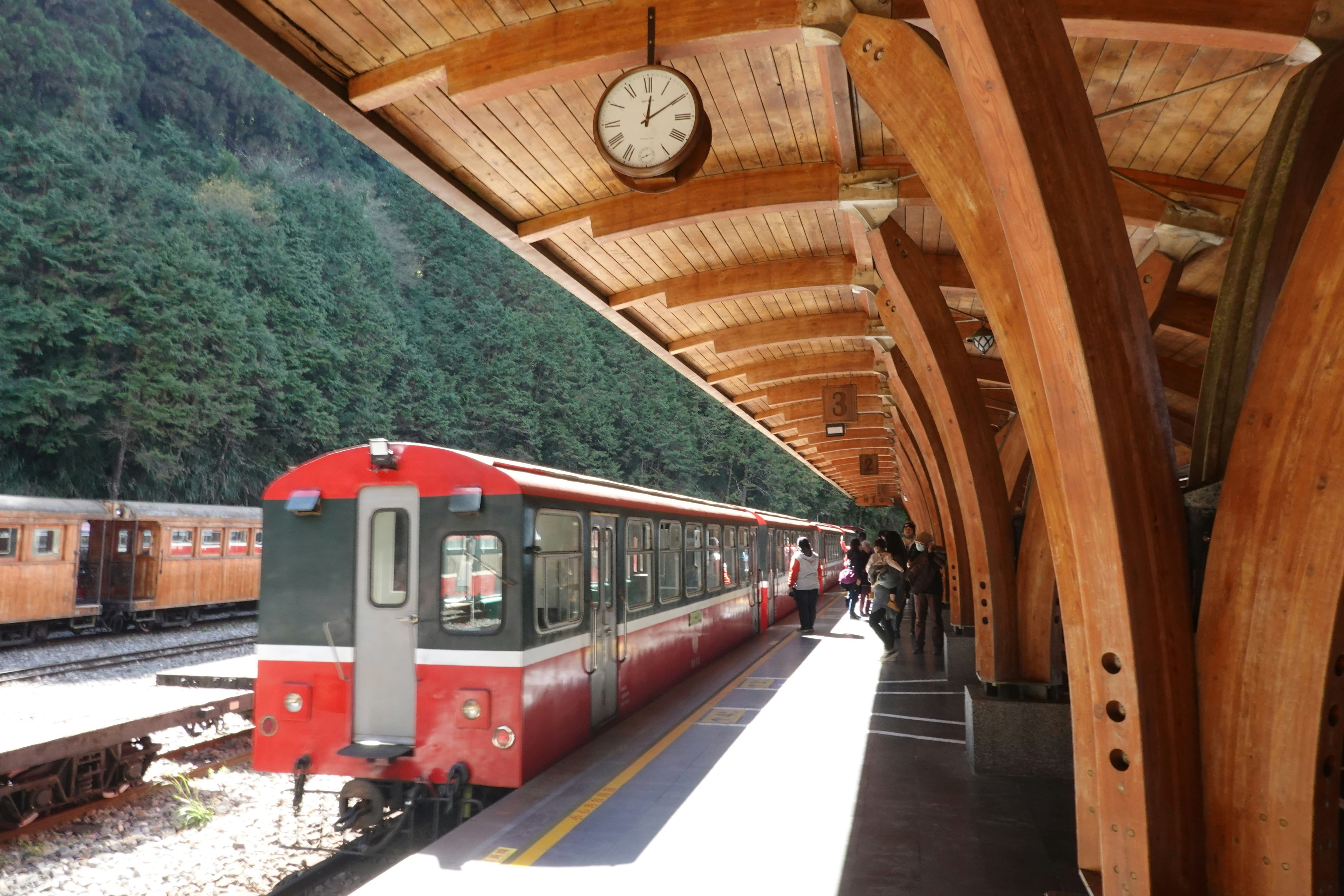
從1912年開通至今,阿里山森林鐵路成了台灣鐵道史的活文化,被列入全台18處世界遺產潛力點之一。這條不容易的森林鐵路在2009年遭受莫拉克颱風摧殘,嚴重受損,曾中斷運行15年之久。
經過多年修復,終於在2024年達成全線通車的目標。
旅人可從嘉義市區上車,直抵終點沼平車站,再次感受百年多來人們旅行阿里山的風情。
從山下到山上,沿途可見記憶台灣發展的產業遺址,以及許多精巧的鐵道設計。例如北門站的「嘉義製材所園區」,保留了日治時期台灣最大製材場的部分工業遺構;再往下的鹿滿站則有日治時期菸草產業所留下、古老的大阪式菸樓。
火車行駛到樟腦寮車站,特殊的折返式車站具有X形的鐵軌設計,為會車時用來避車的設計;至獨立山車站則有螺旋式路線,火車如衛星繞行獨立山攀升而上;到了第一分道與第二分道車站之間,則可以體驗火車「碰壁」的之字形鐵道設計。
為了克服海拔與山林地形,採行多種設計的阿里山森林鐵路,可以說是鐵道工程的集大成。
尋覓林鐵線上,深藏不露的絕景
阿里山森林鐵路沿線,鐵道線上有許多深藏美景的小站。
位於梅山鄉境內的梨園寮車站有日治時期所設的「見晴台」,可以欣賞當地果園、茶園、竹林的產業風光。到了夏季,這裡更是賞螢勝地。
夜裡,寂靜的鐵道上,漫舞的螢火蟲如墜入森林的星子,置身其間如同漂浮宇宙太空,感受相當奇幻。
抵達終點的沼平車站,日本建築師五十嵐信夫操刀的新式驛站,融合了日式傳統建築風情,呼應了阿里山的自然與林業故事。
沼平車站位於阿里山國家森林遊樂區之內,周遭有許多知名的景區,花上一到兩天慢遊,便可一次飽覽阿里山的五大奇景。
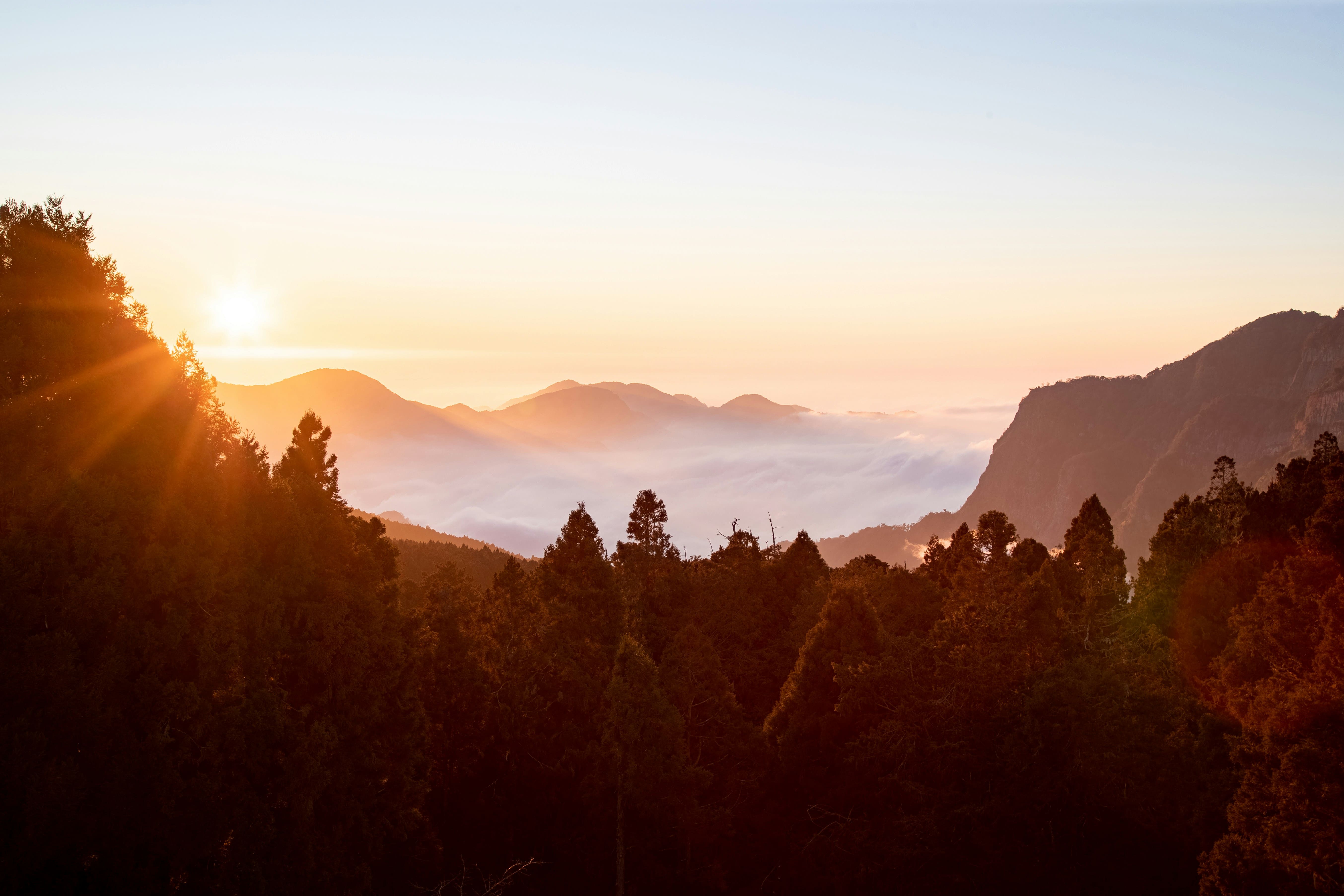
從沼平車站步行不遠的小笠原山觀景台,視野開闊,全幅收納玉山群山跌宕起伏的稜線,如同畫家筆下的大景,配上破曉時分的日出光耀,是阿里山不可錯過的奇景。
轉場到百年古剎慈雲寺,這裡有眺望塔山的觀景台,日落之際可欣賞金色陽光映照翻湧雲海。這個驚心動魄的光之舞台,是攝影玩家追夕陽的必來之地。
景色之外,這裡也有許多保存阿里山林業故事的歷史場景。
前身為阿里山林場俱樂部的阿里山賓館,於百年檜木屋成立「1913舊事所」,重新復原舊禮品販賣部,展示許多珍貴的文物。
近來修復完成的「阿里山貴賓館」,為過去日本皇族與高級官員視察留宿的住所,如今被保存並指定為嘉義縣定古蹟,緩緩述說舊林業的風華故事。
深入鄒族山村,打開旅行副本
想要更加深入體驗阿里山的風土人情,下行時不妨在十字路車站下車,打開支線旅行的副本。
「十字路站」一如其名,有「交通要口」的意思。
這座車站是風災後最先修復的車站之一,也是阿里山青年返鄉創業的重要據點。十字路車站銜接林道,可以走到多林車站,步行與鐵路結合成一圈O型路線,很適合一日單攻。
想深度旅行的話,可以在鄒族人新聚落、被形容為「台版合掌屋」的得恩亞納社區停留數日。這個深藏於山間的幽靜村落,有不少鄒族人經營的小店,販售老麵包、部落烤肉料理等。從得恩亞納社區乘車到來吉部落,有來吉社區發展協會全新打造的「富足聖山市集」,展售鄒族小農生產的作物,以及鄒族藝術家的創作物件。
有意思的場域與有意思的人交會,成了山民與旅人交朋友的地方。