
'%20fill='%23a9976d'/%3e%3cpath%20id='Path_251'%20data-name='Path%20251'%20d='M8,35a1,1,0,0,1,1-1H23a1,1,0,0,1,0,2H9A1,1,0,0,1,8,35Z'%20transform='translate(-8%20-22)'%20fill='%23a9976d'/%3e%3cpath%20id='Path_252'%20data-name='Path%20252'%20d='M9,22a1,1,0,0,0,0,2h8a1,1,0,0,0,0-2Z'%20transform='translate(-8%20-16)'%20fill='%23a9976d'/%3e%3c/svg%3e)
'%20fill='%23a9976d'/%3e%3c/g%3e%3c/svg%3e)
'%3e%3cg%20id='Ellipse_27'%20data-name='Ellipse%2027'%20transform='translate(813%20250)'%20fill='none'%20stroke='%23ccac89'%20stroke-width='1'%3e%3ccircle%20cx='16'%20cy='16'%20r='16'%20stroke='none'/%3e%3ccircle%20cx='16'%20cy='16'%20r='15.5'%20fill='none'/%3e%3c/g%3e%3cg%20id='facebook'%20transform='translate(824.105%20258.296)'%3e%3cpath%20id='Path_243'%20data-name='Path%20243'%20d='M8.894.111V2.556H7.441a1.361,1.361,0,0,0-1.074.333,1.534,1.534,0,0,0-.278,1v1.75H8.8L8.441,8.38H6.089v7.028H3.255V8.38H.894V5.639H3.255V3.62A3.582,3.582,0,0,1,4.218.949,3.5,3.5,0,0,1,6.783,0,15.317,15.317,0,0,1,8.894.111Z'%20transform='translate(0%200)'%20fill='%23ccac89'/%3e%3c/g%3e%3c/g%3e%3c/svg%3e)

'%3e%3cg%20id='Ellipse_29'%20data-name='Ellipse%2029'%20transform='translate(901%20250)'%20fill='none'%20stroke='%23ccac89'%20stroke-width='1'%3e%3ccircle%20cx='16'%20cy='16'%20r='16'%20stroke='none'/%3e%3ccircle%20cx='16'%20cy='16'%20r='15.5'%20fill='none'/%3e%3c/g%3e%3cg%20id='link-45deg'%20transform='translate(902.607%20253.105)'%3e%3cg%20id='Group_479'%20data-name='Group%20479'%20transform='translate(7.393%205.896)'%3e%3cpath%20id='Path_241'%20data-name='Path%20241'%20d='M10.246,17.821,8.507,19.56a3.8,3.8,0,0,0,5.378,5.378L16.2,22.62a3.8,3.8,0,0,0-1.05-6.12l-.743.743a1.27,1.27,0,0,0-.2.252,2.535,2.535,0,0,1,1.091,4.23L12.99,24.042A2.536,2.536,0,0,1,9.4,20.455l1.005-1a5.093,5.093,0,0,1-.162-1.631Z'%20transform='translate(-7.393%20-12.02)'%20fill='%23ccac89'/%3e%3cpath%20id='Path_242'%20data-name='Path%20242'%20d='M18.236,9.327a3.8,3.8,0,0,0,1.05,6.12l.982-.984a2.535,2.535,0,0,1-1.136-4.241L21.448,7.9a2.536,2.536,0,1,1,3.587,3.587l-1.005,1a5.1,5.1,0,0,1,.162,1.631l1.739-1.739A3.8,3.8,0,1,0,20.553,7.01Z'%20transform='translate(-13.011%20-5.896)'%20fill='%23ccac89'/%3e%3c/g%3e%3c/g%3e%3c/g%3e%3c/svg%3e)
◤文/特約作家一Regina 翁瑞祐
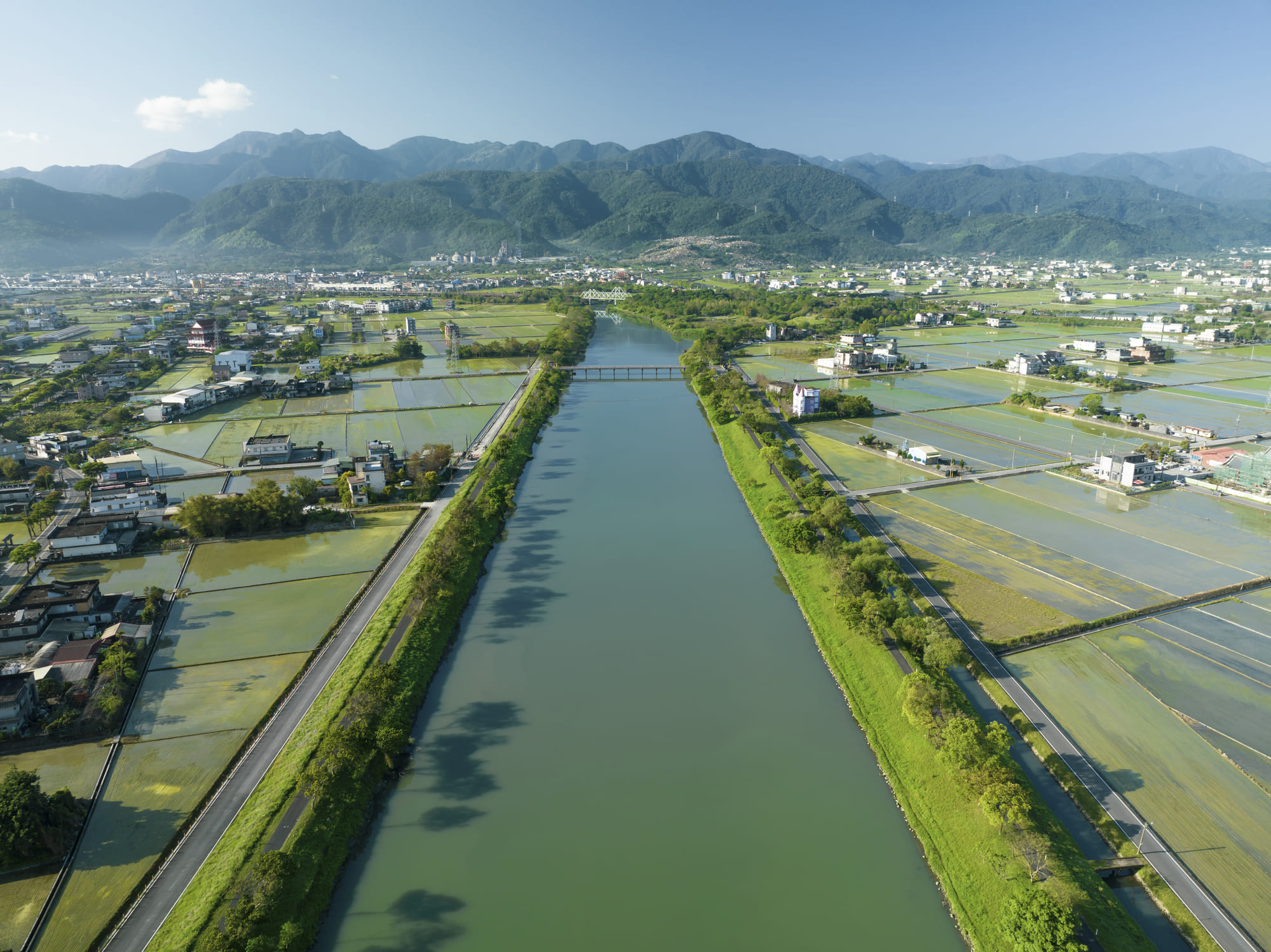
總有人說:「到宜蘭,別忘了帶把傘!」地處台灣東北部的宜蘭,西邊是雪山山脈,南邊為中央山脈,承接住北、西、南三面的水氣,帶給這片土地年均雨日超過200天。拜自然賜予的豐沛雨水、河水、湧泉,澆灌了蘭陽平原;地表水滲透到土壤裡造成的伏流水,更像是天然地下水庫,能於夏季旱季適時補位。不但讓宜蘭成為全台唯一沒有水庫卻從不缺水的縣市,更成就了自然山林、美味食材。
小知識:伏流水
為河川及湖泊底部或側部砂礫層中所含的淺層地下水,經過砂礫石過濾,大大降低濁度,變成清澈潔淨的水源,台灣在日治時代就開始興建伏流水工程。宜蘭員山鄉的深溝淨水場擁有近百年歷史,水源即引自宜蘭深溝伏流水,水源穩定、潔淨,提供宜蘭市、壯圍鄉、員山鄉、礁溪鄉、頭城鎮等地區用水。
好水養出三星蔥,小攤到米其林餐廳都愛用
水,連結起宜蘭人的生活、生產與生態,也形成當地豐厚的水文化底蘊。
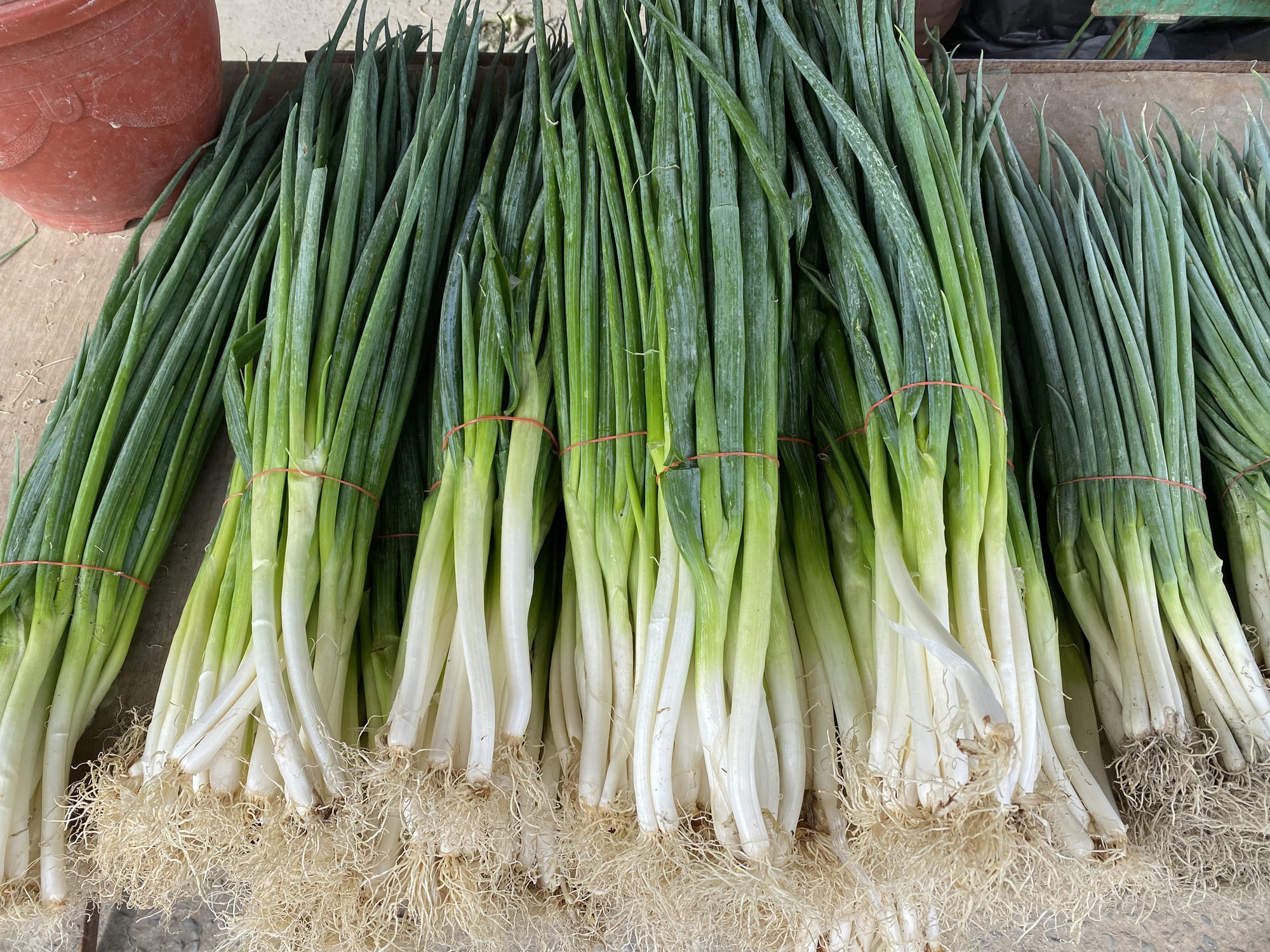
比如說,三星蔥是細蔥群中的「四季蔥」,產地宜蘭三星鄉受到雪山山脈的水源滋養,加上蘭陽平原的頁岩地質濾水良好,日夜溫差大,地理環境與氣候條件得天獨厚,種植出的青蔥,蔥白特別長,纖維細緻,烹煮後辛辣味低,清脆的口感,深受眾多饕客喜愛。
三星蔥不僅吸引遊客到三星鄉親自體驗拔蔥、洗蔥、煎蔥油餅,蔥農坐在家門前的方形洗蔥池邊,先輕輕刷洗蔥白,將蔥白上的土塊去除,再剝去蔥膜及黃葉,細心清洗剛採收青蔥的模樣,是宜蘭特有的景象,也是在地的生活文化。
清洗好的三星蔥,是從小攤到米其林級餐廳、星級飯店主廚都青睞的好食材。三星、礁溪、頭城等鄉鎮都有好吃的三星蔥蔥油餅,外皮焦酥,內餡滿滿多汁香甜的三星蔥,值得品嘗。
此外,礁溪鄉的林美村、二結村,還有員山鄉的大湖、枕山以及內城休閒農業區,也是拜宜蘭多雨潮濕的氣候,雨量充沛、排水良好,適合金棗生長,全台每10顆金棗就有9顆來自宜蘭,其中以員山鄉和礁溪鄉的產量最多。民國60年代曾經因為金棗外銷到日本,而經歷了光輝的歲月。宜蘭的金棗品種以長實金柑為主,果肉較酸,大部分加工成蜜餞,讓滋味轉為酸甜可口。
「鴨稻共棲」孕育好米與鮮美鴨肉
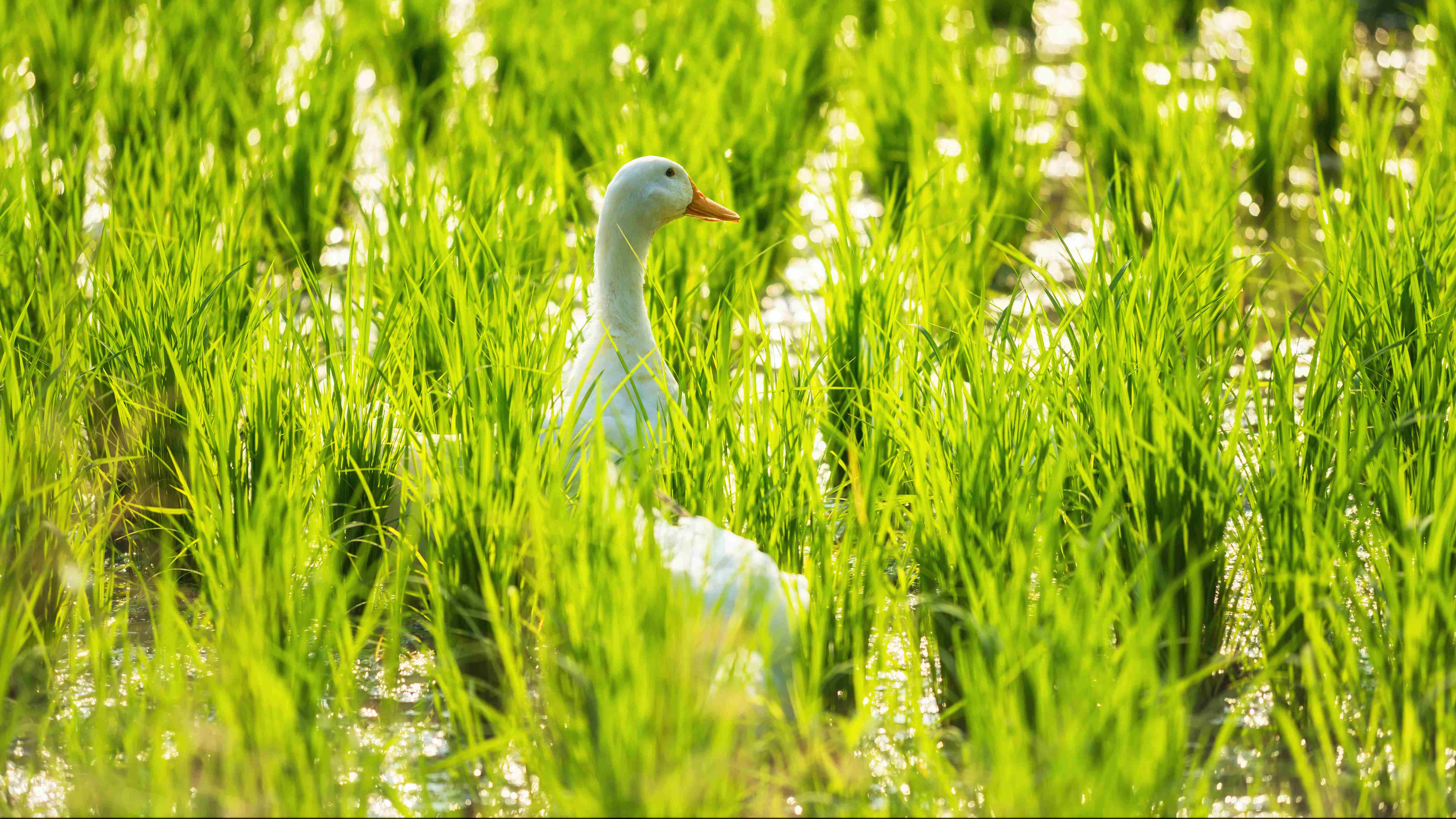
事實上,宜蘭人不僅珍惜大自然資源,也善用智慧築建起美食寶庫。農民們以「鴨稻共棲」的模式涵養農地,休耕期將成鴨放入農田,鴨子划水時腳掌能翻攪土壤,抑制雜草生長,排出的糞便就是天然肥料、增加地力。
插秧後,將小鴨趕進田裡放養,在稻田間,吃雜草、害蟲和繁衍速度快速的福壽螺,就不必施用化學農藥與肥料。生產出的稻米結實飽滿,煮出來的飯粒味美香Q;在田裡走跳的鴨子,因為體格強壯、肉質鮮美,也販售給餐廳、小吃店。
豐沛水資源,營造四季親水環境
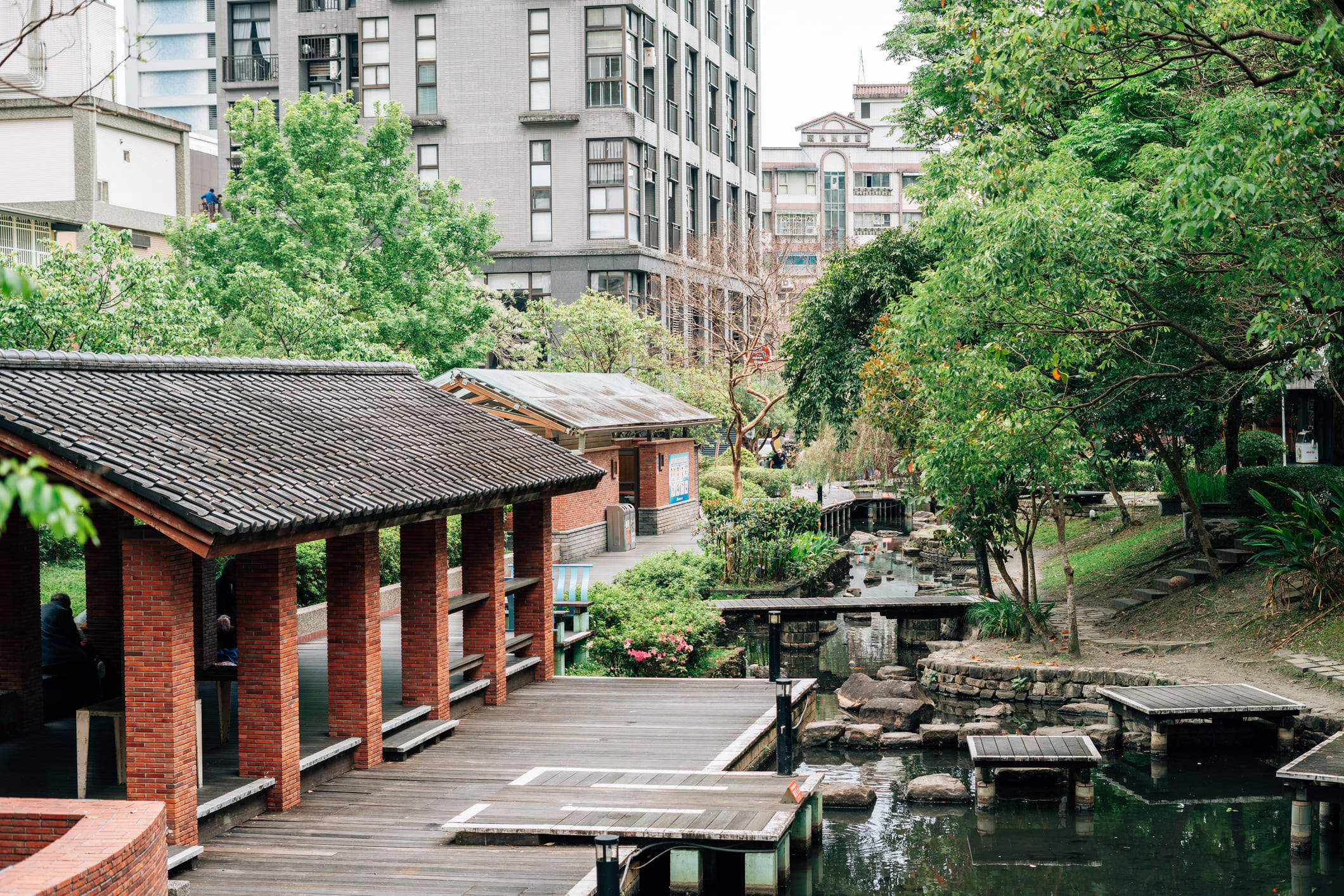
宜蘭的水,不只是滿足人們的口腹之欲而已。礁溪以溫泉聞名,日治時代日本人在此設置公共澡堂和旅舍,開啟溫泉的商業用途,近年來則被規劃為溫泉觀光特定區。
由於礁溪溫泉溫度未超過攝氏60度,農民還引溫泉水種植溫泉空心菜、番茄等蔬菜、花卉和稻米,是台灣其他溫泉區所沒有的特色。礁溪溫泉含豐富礦物質,農民以溫泉調節田間四季水溫,適宜蔬菜成長,入口清脆香甜,滑嫩好吃。
靠海的蘇澳則因宜蘭的豐沛雨量,加上當地厚實的石灰岩層地形,造成奇特的冷泉。長年維持在22度的低溫碳酸泉,無色無味,水質清澈透明,全世界只有蘇澳與義大利威尼斯才有,和礁溪溫泉並稱為蘭陽平原深藏地下的兩個天然瑰寶。
而且入水浸泡時,池底不斷冒出潔細的氣泡,會讓人想像成被無糖汽水包圍的感覺,相當有趣。也因為碳酸泉富含二氧化碳,水質密度較重,除了早年被製成「彈珠汽水」(納姆內),也被作為羊羹材料,口感Q度高、質地細滑,是遊客最愛的伴手禮之一。
春夏秋冬都有不同主題的活動帶領遊客深度體驗宜蘭的魅力。春綻花開的綠色博覽會,從珍惜大地落實綠色環保愛護地球的精采生活縮影,是富教育性、知識性、休閒性的場域。而享譽國際的童玩節,每年都有讓人驚艷趣味的遊樂,是消暑玩水與回味童趣的天堂。趁著賞秋紅的季節,還能探索「不老節」的活力與智慧。而溫泉季更是吸引人感受浸沐在暖暖的滋味裡。
宜蘭之水,豐富多彩,不僅可以泡溫泉、冷泉,還有各式在地美食可以享用,距離台北又不遠,如果想看看擁有自然生態的城鄉,就到宜蘭吧!