
'%20fill='%23a9976d'/%3e%3cpath%20id='Path_251'%20data-name='Path%20251'%20d='M8,35a1,1,0,0,1,1-1H23a1,1,0,0,1,0,2H9A1,1,0,0,1,8,35Z'%20transform='translate(-8%20-22)'%20fill='%23a9976d'/%3e%3cpath%20id='Path_252'%20data-name='Path%20252'%20d='M9,22a1,1,0,0,0,0,2h8a1,1,0,0,0,0-2Z'%20transform='translate(-8%20-16)'%20fill='%23a9976d'/%3e%3c/svg%3e)
'%20fill='%23a9976d'/%3e%3c/g%3e%3c/svg%3e)
小白菜─是大白菜的「祖先」
主題探索
文化美食
分享
'%3e%3cg%20id='Ellipse_27'%20data-name='Ellipse%2027'%20transform='translate(813%20250)'%20fill='none'%20stroke='%23ccac89'%20stroke-width='1'%3e%3ccircle%20cx='16'%20cy='16'%20r='16'%20stroke='none'/%3e%3ccircle%20cx='16'%20cy='16'%20r='15.5'%20fill='none'/%3e%3c/g%3e%3cg%20id='facebook'%20transform='translate(824.105%20258.296)'%3e%3cpath%20id='Path_243'%20data-name='Path%20243'%20d='M8.894.111V2.556H7.441a1.361,1.361,0,0,0-1.074.333,1.534,1.534,0,0,0-.278,1v1.75H8.8L8.441,8.38H6.089v7.028H3.255V8.38H.894V5.639H3.255V3.62A3.582,3.582,0,0,1,4.218.949,3.5,3.5,0,0,1,6.783,0,15.317,15.317,0,0,1,8.894.111Z'%20transform='translate(0%200)'%20fill='%23ccac89'/%3e%3c/g%3e%3c/g%3e%3c/svg%3e)

'%3e%3cg%20id='Ellipse_29'%20data-name='Ellipse%2029'%20transform='translate(901%20250)'%20fill='none'%20stroke='%23ccac89'%20stroke-width='1'%3e%3ccircle%20cx='16'%20cy='16'%20r='16'%20stroke='none'/%3e%3ccircle%20cx='16'%20cy='16'%20r='15.5'%20fill='none'/%3e%3c/g%3e%3cg%20id='link-45deg'%20transform='translate(902.607%20253.105)'%3e%3cg%20id='Group_479'%20data-name='Group%20479'%20transform='translate(7.393%205.896)'%3e%3cpath%20id='Path_241'%20data-name='Path%20241'%20d='M10.246,17.821,8.507,19.56a3.8,3.8,0,0,0,5.378,5.378L16.2,22.62a3.8,3.8,0,0,0-1.05-6.12l-.743.743a1.27,1.27,0,0,0-.2.252,2.535,2.535,0,0,1,1.091,4.23L12.99,24.042A2.536,2.536,0,0,1,9.4,20.455l1.005-1a5.093,5.093,0,0,1-.162-1.631Z'%20transform='translate(-7.393%20-12.02)'%20fill='%23ccac89'/%3e%3cpath%20id='Path_242'%20data-name='Path%20242'%20d='M18.236,9.327a3.8,3.8,0,0,0,1.05,6.12l.982-.984a2.535,2.535,0,0,1-1.136-4.241L21.448,7.9a2.536,2.536,0,1,1,3.587,3.587l-1.005,1a5.1,5.1,0,0,1,.162,1.631l1.739-1.739A3.8,3.8,0,1,0,20.553,7.01Z'%20transform='translate(-13.011%20-5.896)'%20fill='%23ccac89'/%3e%3c/g%3e%3c/g%3e%3c/g%3e%3c/svg%3e)
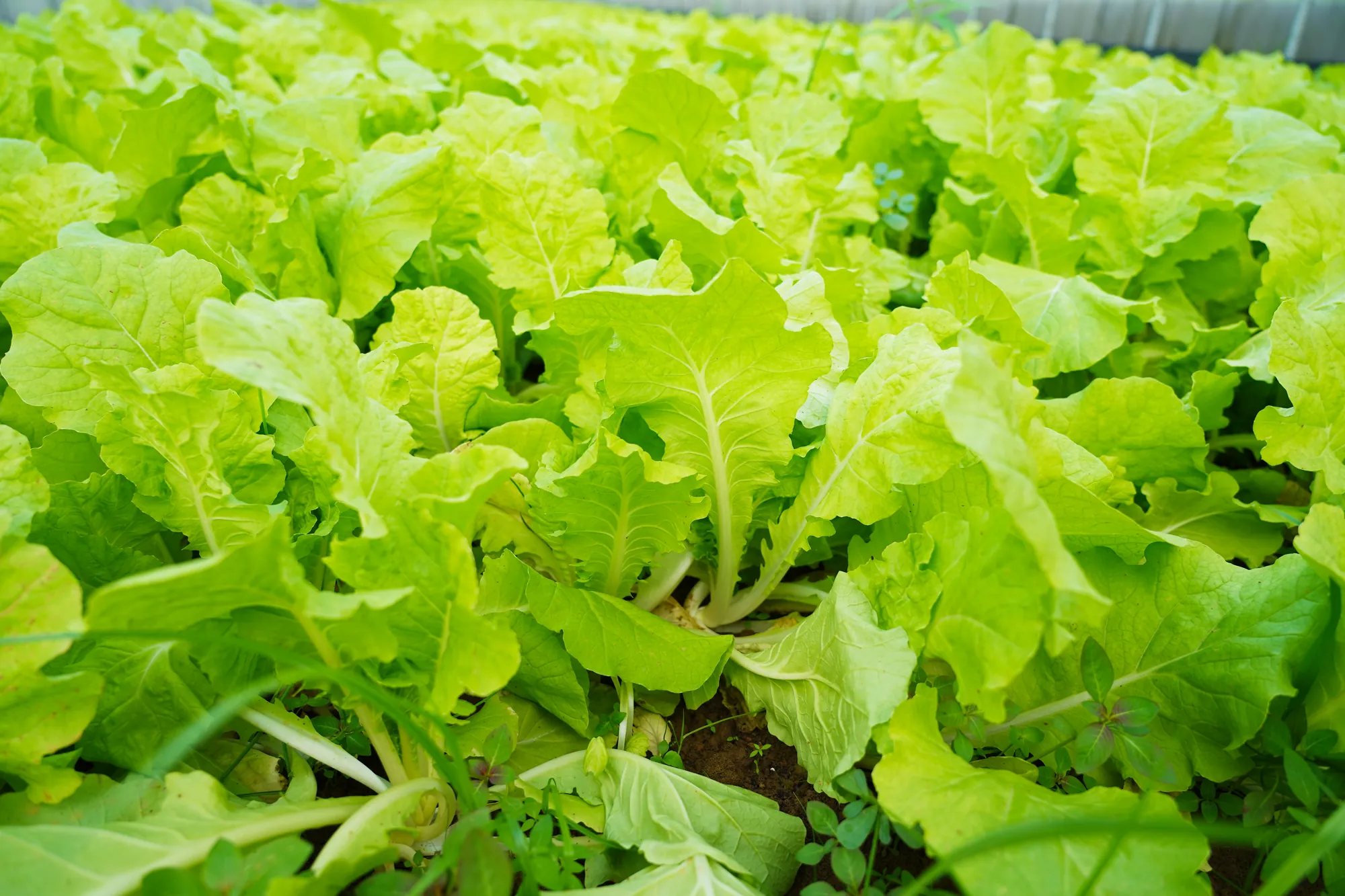
國民蔬菜之一的小白菜,源於中國,根據考古資料,5000年前已現蹤跡,而且是大白菜的「祖先」,歷史跟中國一樣悠久,笑看多少朝代的起落,風光存活至今,自成龐大的「白菜王朝」。
◤文.圖/看見台灣基金會編輯群
小
白菜價格親民且一年四季都有,街頭巷尾的蚵仔煎、乾麵、餛飩湯、滷味、牛肉麵、擔仔麵……等國民美食也都能見到小白菜的身影。
小白菜為台灣夏季常見葉菜之一。因為大約25至30天即可收成,是各式蔬菜中生育期相當短的作物,因此颱風過境後造成市場上葉菜類農作物供應短缺時,小白菜往往能快速復耕、上市。
小白菜原產於中國長江流域,最早的栽種記錄可見於西晉,明鄭時期引進台灣。1685年編撰的《台灣府志》中記載:「菘,莖扁薄而白,葉青白色。一種莖圓厚,微青;又一種差小,名六月白。本出北地,近亦有團束似山東者,葉青碧,葉潔白。蘭地以頭圍者為勝,然味遜於山東。」足見當時台灣至少已種植小白菜、青江菜與大白菜三種不同種類的白菜。
▋小白菜家族成員超級多 營養美味又有中醫療效
現今小白菜在全台各地皆有栽種,因為易於雜交,品種豐富且具多樣性,市場上買到的青江菜、油白菜、小松菜、塔菜、塌菜、塌棵菜、塌地松、黑菜、烏塌菜、油菜、小油菜、菜薹……其實都是小白菜家族成員。
從中醫觀點,小白菜味甘、性平,可解熱除煩、利腸胃。且每一百公克小白菜的鈣質含量與牛奶幾乎相同,加上本身含有豐富的維生素C,能促進鈣質的吸收,是良好的鈣質來源之一。
探索更多
鳳梨─台灣鳳梨品種,世界第一
無論是鮮果、加工食品,或是鳳梨酥,台灣鳳梨正以它的獨特風味,征服全球市場。
紅豆──紅豆生南國,多元甜蜜食
冬天來碗熱呼呼的紅豆湯圓、盛夏則端一份甜滋滋的蜜紅豆煉奶剉冰,是現在台灣的常民生活。但其實100多年前,台灣沒有紅豆、台灣人也不吃紅豆。
茭白筍─俗稱美人腿,其實是生了病
茭白筍為多年生水生禾本科菰屬植物,由於肥大化的嫩莖形如小腿,且色澤白皙,在台灣又稱為「美人腿」,以南投埔里為主要產區,占了9成。