
'%20fill='%23a9976d'/%3e%3cpath%20id='Path_251'%20data-name='Path%20251'%20d='M8,35a1,1,0,0,1,1-1H23a1,1,0,0,1,0,2H9A1,1,0,0,1,8,35Z'%20transform='translate(-8%20-22)'%20fill='%23a9976d'/%3e%3cpath%20id='Path_252'%20data-name='Path%20252'%20d='M9,22a1,1,0,0,0,0,2h8a1,1,0,0,0,0-2Z'%20transform='translate(-8%20-16)'%20fill='%23a9976d'/%3e%3c/svg%3e)
'%20fill='%23a9976d'/%3e%3c/g%3e%3c/svg%3e)
'%3e%3cg%20id='Ellipse_27'%20data-name='Ellipse%2027'%20transform='translate(813%20250)'%20fill='none'%20stroke='%23ccac89'%20stroke-width='1'%3e%3ccircle%20cx='16'%20cy='16'%20r='16'%20stroke='none'/%3e%3ccircle%20cx='16'%20cy='16'%20r='15.5'%20fill='none'/%3e%3c/g%3e%3cg%20id='facebook'%20transform='translate(824.105%20258.296)'%3e%3cpath%20id='Path_243'%20data-name='Path%20243'%20d='M8.894.111V2.556H7.441a1.361,1.361,0,0,0-1.074.333,1.534,1.534,0,0,0-.278,1v1.75H8.8L8.441,8.38H6.089v7.028H3.255V8.38H.894V5.639H3.255V3.62A3.582,3.582,0,0,1,4.218.949,3.5,3.5,0,0,1,6.783,0,15.317,15.317,0,0,1,8.894.111Z'%20transform='translate(0%200)'%20fill='%23ccac89'/%3e%3c/g%3e%3c/g%3e%3c/svg%3e)

'%3e%3cg%20id='Ellipse_29'%20data-name='Ellipse%2029'%20transform='translate(901%20250)'%20fill='none'%20stroke='%23ccac89'%20stroke-width='1'%3e%3ccircle%20cx='16'%20cy='16'%20r='16'%20stroke='none'/%3e%3ccircle%20cx='16'%20cy='16'%20r='15.5'%20fill='none'/%3e%3c/g%3e%3cg%20id='link-45deg'%20transform='translate(902.607%20253.105)'%3e%3cg%20id='Group_479'%20data-name='Group%20479'%20transform='translate(7.393%205.896)'%3e%3cpath%20id='Path_241'%20data-name='Path%20241'%20d='M10.246,17.821,8.507,19.56a3.8,3.8,0,0,0,5.378,5.378L16.2,22.62a3.8,3.8,0,0,0-1.05-6.12l-.743.743a1.27,1.27,0,0,0-.2.252,2.535,2.535,0,0,1,1.091,4.23L12.99,24.042A2.536,2.536,0,0,1,9.4,20.455l1.005-1a5.093,5.093,0,0,1-.162-1.631Z'%20transform='translate(-7.393%20-12.02)'%20fill='%23ccac89'/%3e%3cpath%20id='Path_242'%20data-name='Path%20242'%20d='M18.236,9.327a3.8,3.8,0,0,0,1.05,6.12l.982-.984a2.535,2.535,0,0,1-1.136-4.241L21.448,7.9a2.536,2.536,0,1,1,3.587,3.587l-1.005,1a5.1,5.1,0,0,1,.162,1.631l1.739-1.739A3.8,3.8,0,1,0,20.553,7.01Z'%20transform='translate(-13.011%20-5.896)'%20fill='%23ccac89'/%3e%3c/g%3e%3c/g%3e%3c/g%3e%3c/svg%3e)
◤文/特約作家一Melody
大稻埕,這片位於台北市西北部的土地,自古便是豐饒的象徵。這裡的名稱,「埕」在閩南語中意味著空曠之地,而「稻埕」則指的是曬穀場,昔日農人在此曬乾金黃的稻穀,故地得名。
淡水河畔那曾經金色浪濤翻滾的稻穀,自1860年淡水口岸開放至今,這裡不僅見證了茶葉與布匹貿易的繁榮歲月,也承載著城市發展的記憶與轉變。
充滿文化底蘊和創新精神,歷史與現代交融的生活場域
從清末至日治時代,大稻埕見證了台灣歷史上一段輝煌的發展。商業活動如繁星般閃耀,其中尤以茶葉貿易最為人津津樂道。1867年,英國貿易商約翰.陶德(John Dodd) 以「精緻福爾摩沙烏龍茶 Choicest Formosa Oolong tea 」之名銷往美國,此後不久,臺灣茶以其獨特的香氣與滋味,銷售遍及美國到世界50多國,大稻埕的茶市因此聲名遠揚。
1908年(明治41年)縱貫鐵路的開通,大稻埕的商業版圖進一步擴大,中藥、高級食材、布匹等商品的批發業蓬勃發展。迪化街沿途,富有的商人們競相建造風格華麗的仿歐式建築,成為今日迪化老街的前身。
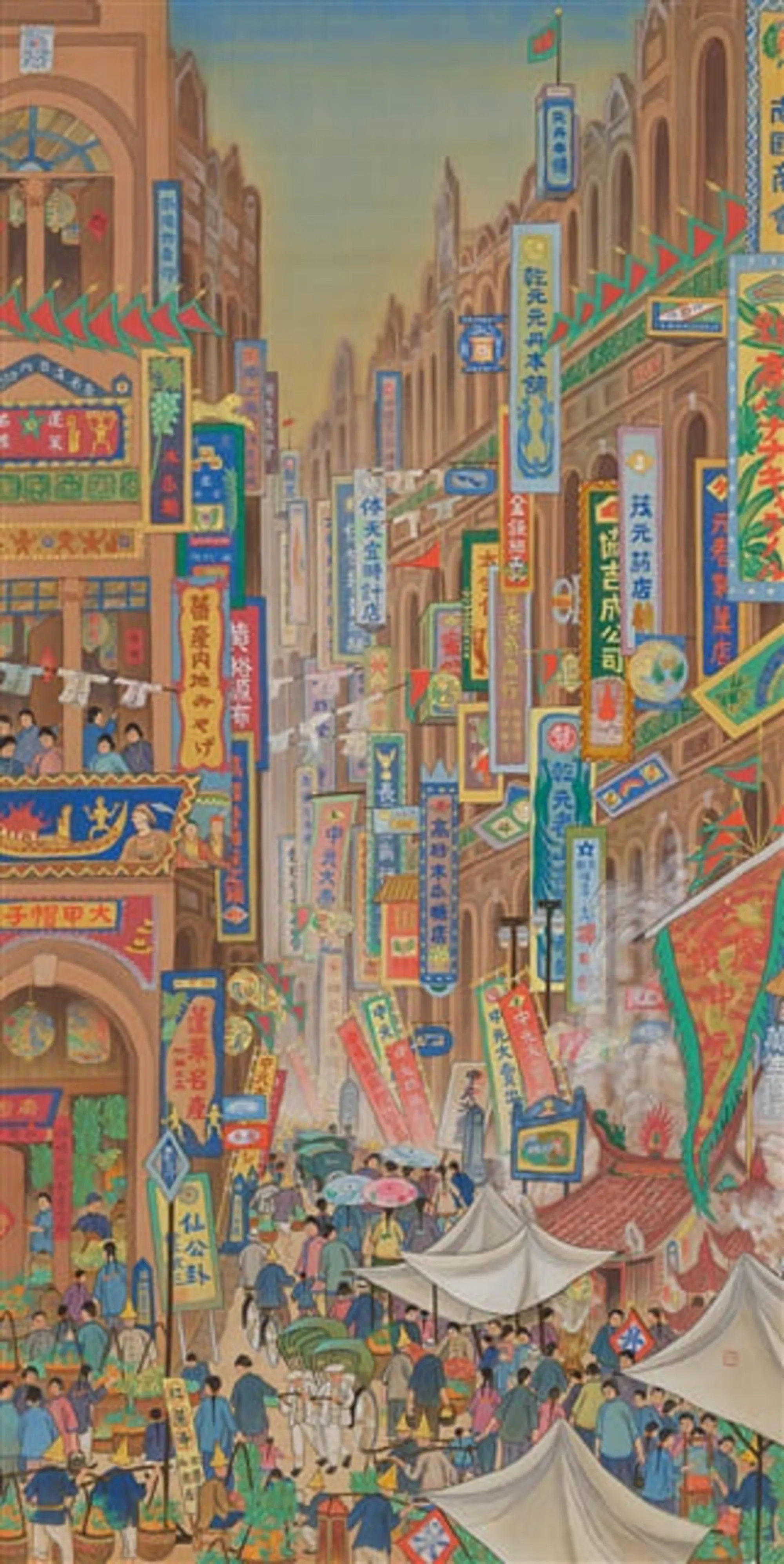
迪化街的十連棟,是郭雪湖的《南街殷賑》畫中1930年代繁華商圈的背景,亦是大稻埕迪化老街不可多得的歷史印記。這一排巴洛克與中式建築風格融合的雙層樓房,見證了台北的變遷與時代的沉浮。建於1912年的這些建築,不僅是迪化街的地標,也是台灣早期繁榮貿易的見證。鄰近淡水河的便利位置,使其成為日治時期重要的物資集散地。
今日的十連棟,前棟保留了原有的紅磚騎樓風貌,轉化為藝術空間與文化展覽地,後棟則融入現代生活,設有餐館等商業空間,成為歷史與現代交融的生活場域,充滿台北的文化底蘊和創新精神。
鑲嵌在老建築裡,有餐廳講究東與西的味蕾交會,「傳統與創新的融合」不僅是一句口號,如何巧妙結合法國料理的精緻與台灣食材的道地?
在大稻埕正發生的「新派經典」美食運動,包括:將法式料理融合當地風味,打造出獨一無二台式法國菜,或將台灣小吃以西餐做法呈現。
在台北古蹟品嘗19世紀歐陸餐酒
19世紀法國傳統名菜「法式榨鴨」,透過繁複的製作過程,展現出料理的極致藝術。主廚先將肥鴨烤至半熟取下鴨胸、鴨腿,餘下的鴨肉、骨和皮放入特製機器壓出鴨血和鴨骨髓,再將其加入鴨肝、烈酒和奶油熬成醬汁,與鴨胸搭配出人間美味。
法式榨鴨,也稱「血鴨」,在法國宮廷料理中有著舉足輕重的地位,被譽為「法蘭西大菜」中的鴨肉菜餚翹楚,具有逾四百年的悠久歷史。這道菜源於巴黎,當時會為每一隻榨鴨進行編號,並向品嘗這道佳餚的顧客發放編號卡做為認證。這一獨特做法,吸引了眾多美食愛好者與食家前往,進行美食朝聖。
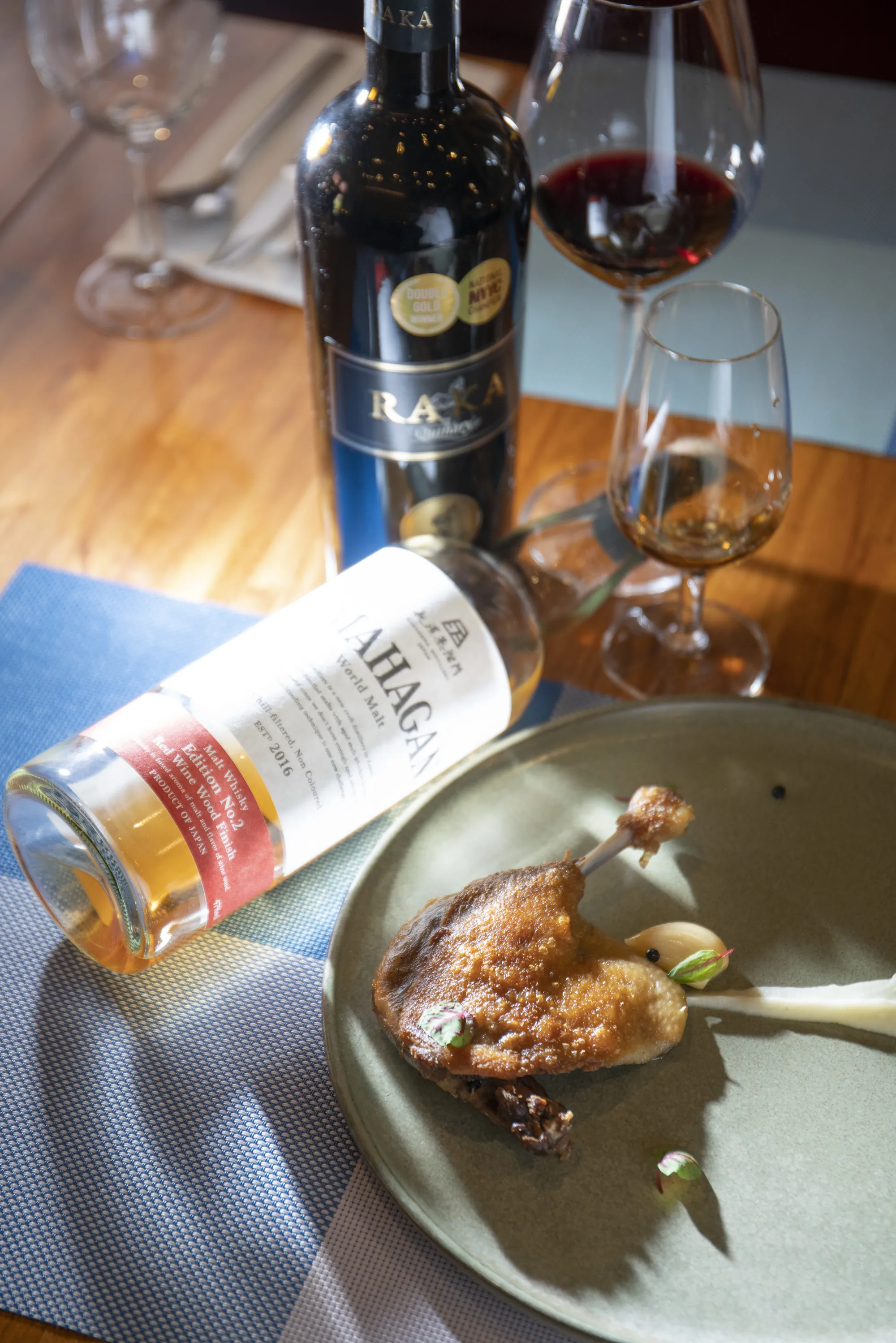
「馬告油封鴨」則是台魂法料的經典代名詞,以花蓮瑞穗的馬告來煉油、低溫慢封鴨腿的豐滿野味。馬告是泰雅族、賽夏族原住民的傳統調味香料,也稱為「山胡椒」,是一種樟科木薑子屬的小喬木或灌木。由於原住民世代的棲居地恰好與馬告分布的區域相疊,延伸出這款原民料理中的香料核心風味。
馬告搭配肥瘦比例適中的肉類能增添獨特香氣,與Quinary葡萄酒佐出多層次的悠長餘味(也可以選擇搭配日本「長濱蒸餾所」的紅酒桶威士忌)。
Quinary葡萄酒是由南非RAKA酒莊使用卡本內蘇維濃為主的五種葡萄品種釀造,帶來黑莓、李子、堅果、穀物香氣,搭配油封鴨與馬告的「野香」,彼此加乘出豐富層次的滋味。
新派飲食重現這些名菜的精采,並落址在台北老西區最繁華的歷史走廊,有非常深刻的文化意義。
玩轉台味,翻新「東西」印象
發酵,是全世界文化共通的美味語言。
大稻埕這個擁有悠久歷史的地區,不僅是經濟發展的見證者,更是文化交流的重要場域。特別是飲食,充滿各種跨世代的靈感撞擊。
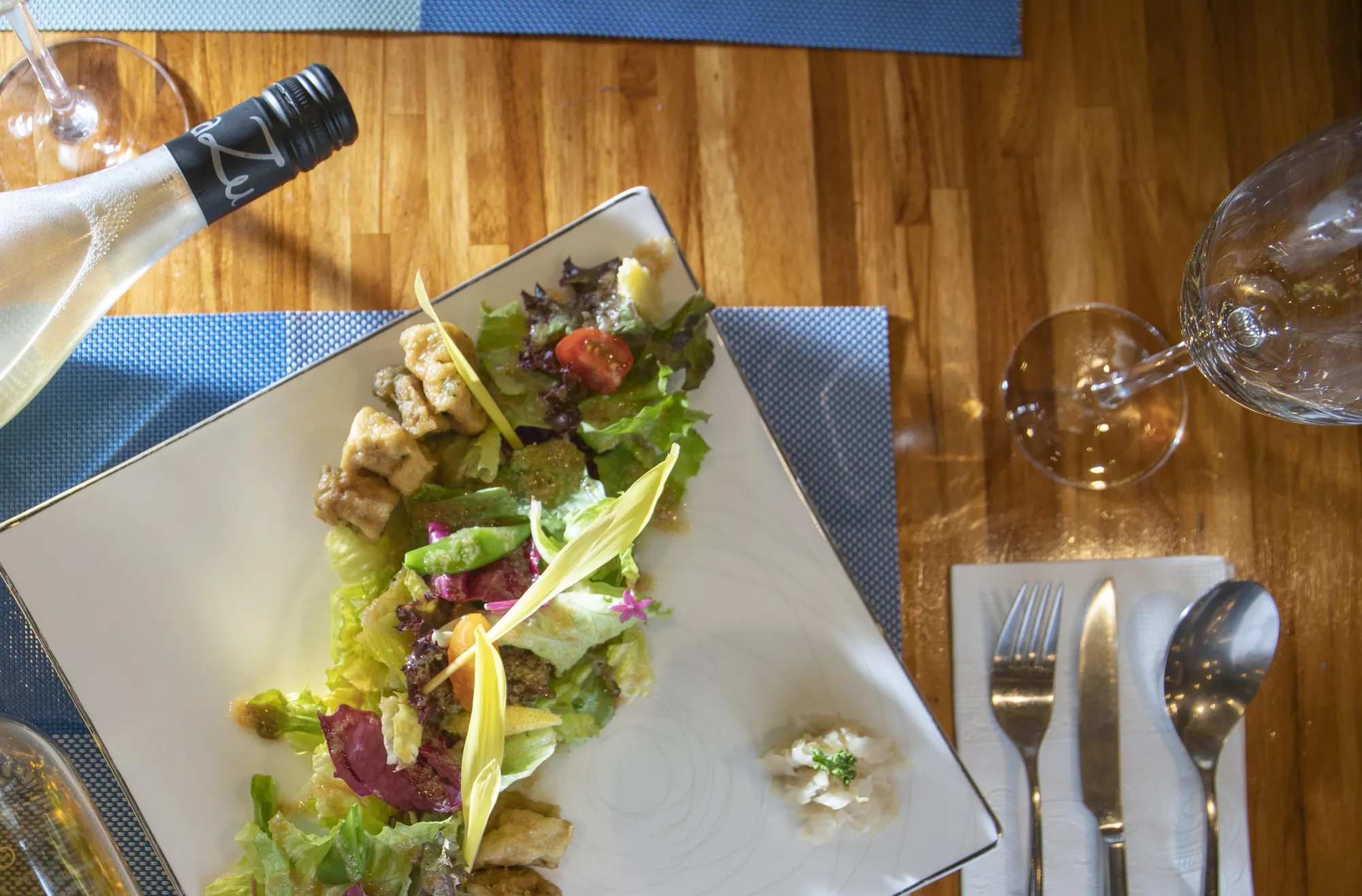
例如,將外國人感到糾結的臭豆腐,以大蒜奶油調味成歐式新料理,以莧菜天然發酵,帶來陳年卡門貝爾乳酪般的綿延風味;或將北義特飛麵(Trofie)製成「鰻麵」、以花蓮豐濱巨無霸白蝦打造,佐濃濃海膽鮮味的法式白醬(Bechamel)正統歐菜。
在大稻埕的街道上,曾經湧現出無數關於創新、夢想與改革的故事,如今這些老故事加入了新故事,成為珍貴的文化遺產,值得細細品味與傳承。
漫步老時光,從滋味到街味
將醬汁視為料理的靈魂,以費時費力的工藝準備,這裡的料理職人除了會做榨鴨醬汁,還有老饕熟知的白醬(Velouté)、經典肉汁醬(Gravy)等等,多數菜式還嘗得到台灣母親的家傳醍醐味。
這些醬汁在口感與風味上,都蘊含著豐富的文化底蘊,彷彿帶領食客穿梭於古老城市的歷史長廊中,品嘗到的不僅是食物,更是一段段傳承久遠的故事。
大稻埕的法皮台骨料理風潮,帶動了愈來愈多新世代台灣菜與法式料理的創新表現。
許多廚師致力於探索當地獨特的食材,並以全球烹飪技藝展現本土風味,創造出結合全球趨勢與地方特色的獨特價值——愈在地,愈國際,每一口都嘗得到台灣風土的獨特主張。
飲酒過量,有礙健康。未滿十八歲請勿飲酒。酒後不開車,安全有保障。