
'%20fill='%23a9976d'/%3e%3cpath%20id='Path_251'%20data-name='Path%20251'%20d='M8,35a1,1,0,0,1,1-1H23a1,1,0,0,1,0,2H9A1,1,0,0,1,8,35Z'%20transform='translate(-8%20-22)'%20fill='%23a9976d'/%3e%3cpath%20id='Path_252'%20data-name='Path%20252'%20d='M9,22a1,1,0,0,0,0,2h8a1,1,0,0,0,0-2Z'%20transform='translate(-8%20-16)'%20fill='%23a9976d'/%3e%3c/svg%3e)
'%20fill='%23a9976d'/%3e%3c/g%3e%3c/svg%3e)
茶席X台菜─佐餐新潮流
'%3e%3cg%20id='Ellipse_27'%20data-name='Ellipse%2027'%20transform='translate(813%20250)'%20fill='none'%20stroke='%23ccac89'%20stroke-width='1'%3e%3ccircle%20cx='16'%20cy='16'%20r='16'%20stroke='none'/%3e%3ccircle%20cx='16'%20cy='16'%20r='15.5'%20fill='none'/%3e%3c/g%3e%3cg%20id='facebook'%20transform='translate(824.105%20258.296)'%3e%3cpath%20id='Path_243'%20data-name='Path%20243'%20d='M8.894.111V2.556H7.441a1.361,1.361,0,0,0-1.074.333,1.534,1.534,0,0,0-.278,1v1.75H8.8L8.441,8.38H6.089v7.028H3.255V8.38H.894V5.639H3.255V3.62A3.582,3.582,0,0,1,4.218.949,3.5,3.5,0,0,1,6.783,0,15.317,15.317,0,0,1,8.894.111Z'%20transform='translate(0%200)'%20fill='%23ccac89'/%3e%3c/g%3e%3c/g%3e%3c/svg%3e)

'%3e%3cg%20id='Ellipse_29'%20data-name='Ellipse%2029'%20transform='translate(901%20250)'%20fill='none'%20stroke='%23ccac89'%20stroke-width='1'%3e%3ccircle%20cx='16'%20cy='16'%20r='16'%20stroke='none'/%3e%3ccircle%20cx='16'%20cy='16'%20r='15.5'%20fill='none'/%3e%3c/g%3e%3cg%20id='link-45deg'%20transform='translate(902.607%20253.105)'%3e%3cg%20id='Group_479'%20data-name='Group%20479'%20transform='translate(7.393%205.896)'%3e%3cpath%20id='Path_241'%20data-name='Path%20241'%20d='M10.246,17.821,8.507,19.56a3.8,3.8,0,0,0,5.378,5.378L16.2,22.62a3.8,3.8,0,0,0-1.05-6.12l-.743.743a1.27,1.27,0,0,0-.2.252,2.535,2.535,0,0,1,1.091,4.23L12.99,24.042A2.536,2.536,0,0,1,9.4,20.455l1.005-1a5.093,5.093,0,0,1-.162-1.631Z'%20transform='translate(-7.393%20-12.02)'%20fill='%23ccac89'/%3e%3cpath%20id='Path_242'%20data-name='Path%20242'%20d='M18.236,9.327a3.8,3.8,0,0,0,1.05,6.12l.982-.984a2.535,2.535,0,0,1-1.136-4.241L21.448,7.9a2.536,2.536,0,1,1,3.587,3.587l-1.005,1a5.1,5.1,0,0,1,.162,1.631l1.739-1.739A3.8,3.8,0,1,0,20.553,7.01Z'%20transform='translate(-13.011%20-5.896)'%20fill='%23ccac89'/%3e%3c/g%3e%3c/g%3e%3c/g%3e%3c/svg%3e)
◤文/特約作家一Melody
灣茶產業的發展可追溯至19世紀中葉。1860年,隨著天津條約與北京條約簽訂,台灣開港通商,茶葉成為重要外銷商品。英商約翰.陶德(John Dodd)在台北文山地區推動包種茶與烏龍茶的發展,開啟了台灣茶葉外銷的黃金時期。
日治時期(1895年至1945年)是台灣茶產業的轉型期。日本政府引進科學化製茶技術,在南投建立魚池紅茶試驗支所,使台灣紅茶在國際市場上具備競爭力。同時,台灣特有的包種茶與烏龍茶也持續發展,形成多元並進的茶產業結構。
戰後初期,台灣茶業延續日治時期的製茶技術,但隨著國際市場變化,產業重心逐漸轉向。1950年代,南投凍頂烏龍茶興起;1970年代後,內銷市場轉旺,高山茶開始發展;1980年代起,台灣茶產業轉向精品化路線,推動產地認證與品牌經營,奠定了今日台灣茶作為高品質精品茶的國際形象。
▋獨特的台灣式茶席文化
1970年代後,台灣發展出獨特的「茶藝」與「茶席」概念,強調茶的品質、沖泡技巧與環境氛圍的和諧統一。而台灣的茶席文化,有別於中國傳統的「茶道」或日本的「茶道」。
台灣茶藝師許秋霞指出,台灣茶席的獨特之處在於它融合了中國傳統茶文化的精髓,同時吸收了日本茶道的美學理念,再結合台灣本土文化元素,形成一種更為開放、靈活且具現代感的茶文化表現形式。
台灣茶席與中國傳統飲茶文化的主要差異在於,台灣茶席更強調茶具的藝術性與整體環境的氛圍營造;沖泡方式上,台灣發展出「工夫茶」的精緻技法;此外,台灣茶席更注重茶與食物的搭配,形成獨特的「茶食文化」。
▋Tea Pairing的演進
喝茶配菜是華人傳統飲食文化的一部分。傳統上,茶多作為餐後飲品,用以解膩或幫助消化。在台灣早期農業社會,農家常以烏龍茶或青茶配合簡單的鹹點,如茶葉蛋、鹹豆漿等。而在宴席上,則常見以清茶搭配豐盛菜餚,以平衡油膩感。
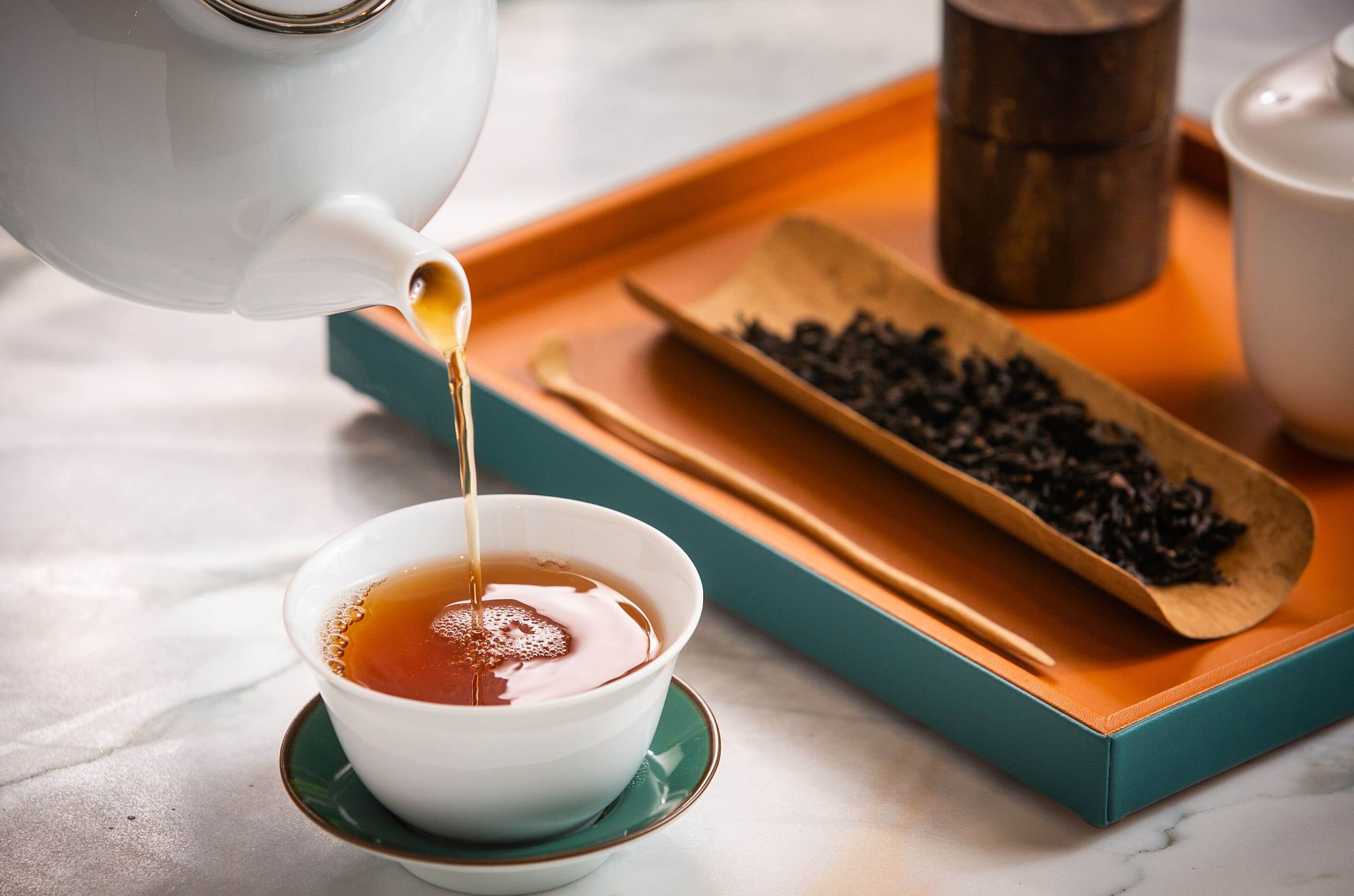
近年來,隨著飲食文化的精緻化,台灣開始出現創新的Tea Pairing概念。不同於西方的Wine Pairing(酒食搭配),台灣的Tea Pairing更強調茶與食物之間的相互提升與和諧共存。有餐廳以鹿谷凍頂烏龍搭配清爽前菜,以武夷岩茶配合主菜,再以普洱茶化解油膩感。這種搭配不僅考慮味道的互補,更注重口感的層次變化與用餐節奏的掌握。
亦有餐廳不同於傳統「以餐搭茶」的思維,而是「以茶帶餐」,讓茶品從配角躍升為主角,成為菜餚發想的核心靈感。讓茶不再只是餐後飲品,而是以侍酒的形式「侍茶」,每款茶品都放在精緻的葡萄酒杯中,從嗅覺到味覺打造全新體驗。如宇治煎茶的昆布旨味提升海鮮鮮甜度;大吉嶺春摘茶的成熟花果香襯托白蘆筍的清甜;而南投貴妃烏龍的木質調與花蜜香,則與香煎雞皮、馬告和月桃葉的柑橘調香氣交織,創造層次豐富的味覺饗宴。
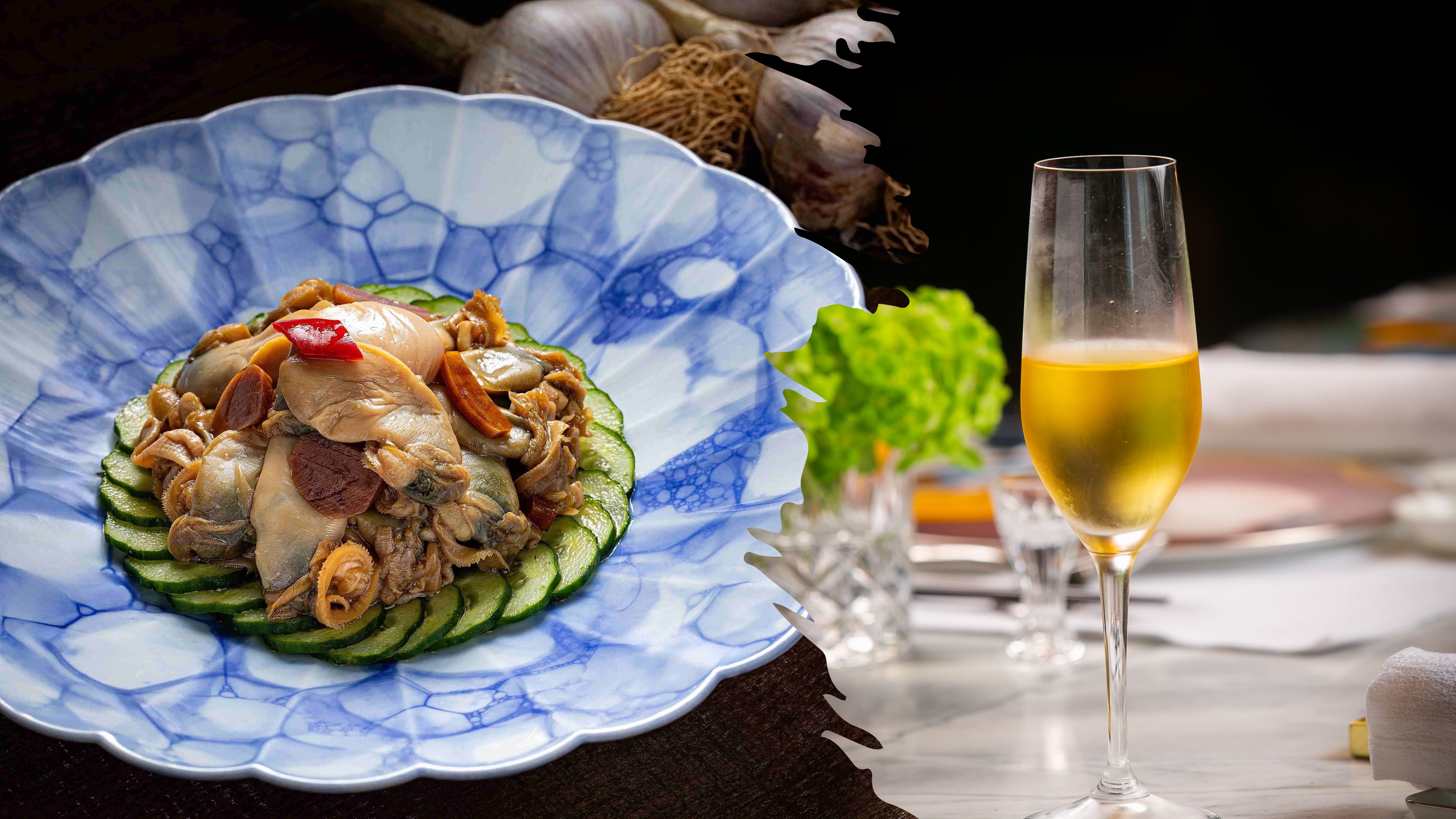 ▏台灣開始出現創新的Tea Pairing概念,茶不再只是餐後飲品,而是以侍酒的形式「侍茶」,每款茶品都放在精緻的葡萄酒杯中,從嗅覺到味覺打造全新體驗。(圖片來源:元紀.台灣菜)。
目前,台灣的Tea Pairing仍處於發展初期,但已展現出巨大潛力──台灣擁有豐富多樣的茶種與優異的製茶技術,加上精緻的本土料理傳統,為Tea Pairing提供了得天獨厚的發展條件。未來,台灣Tea Pairing的發展可能有幾個方向:一是更深入研究不同茶品與食材的科學搭配原理;二是結合現代飲食趨勢,發展健康導向的Tea Pairing;三是推動國際交流,將台灣的Tea Pairing概念推向全球舞台。
這不僅是一種飲食方式,更是台灣文化軟實力的展現。透過茶與食物的完美結合,台灣能向世界展示其獨特的飲食美學與文化內涵。