'%20fill='%23a9976d'/%3e%3cpath%20id='Path_251'%20data-name='Path%20251'%20d='M8,35a1,1,0,0,1,1-1H23a1,1,0,0,1,0,2H9A1,1,0,0,1,8,35Z'%20transform='translate(-8%20-22)'%20fill='%23a9976d'/%3e%3cpath%20id='Path_252'%20data-name='Path%20252'%20d='M9,22a1,1,0,0,0,0,2h8a1,1,0,0,0,0-2Z'%20transform='translate(-8%20-16)'%20fill='%23a9976d'/%3e%3c/svg%3e)
'%20fill='%23a9976d'/%3e%3c/g%3e%3c/svg%3e)
'%3e%3cg%20id='Ellipse_27'%20data-name='Ellipse%2027'%20transform='translate(813%20250)'%20fill='none'%20stroke='%23ccac89'%20stroke-width='1'%3e%3ccircle%20cx='16'%20cy='16'%20r='16'%20stroke='none'/%3e%3ccircle%20cx='16'%20cy='16'%20r='15.5'%20fill='none'/%3e%3c/g%3e%3cg%20id='facebook'%20transform='translate(824.105%20258.296)'%3e%3cpath%20id='Path_243'%20data-name='Path%20243'%20d='M8.894.111V2.556H7.441a1.361,1.361,0,0,0-1.074.333,1.534,1.534,0,0,0-.278,1v1.75H8.8L8.441,8.38H6.089v7.028H3.255V8.38H.894V5.639H3.255V3.62A3.582,3.582,0,0,1,4.218.949,3.5,3.5,0,0,1,6.783,0,15.317,15.317,0,0,1,8.894.111Z'%20transform='translate(0%200)'%20fill='%23ccac89'/%3e%3c/g%3e%3c/g%3e%3c/svg%3e)

'%3e%3cg%20id='Ellipse_29'%20data-name='Ellipse%2029'%20transform='translate(901%20250)'%20fill='none'%20stroke='%23ccac89'%20stroke-width='1'%3e%3ccircle%20cx='16'%20cy='16'%20r='16'%20stroke='none'/%3e%3ccircle%20cx='16'%20cy='16'%20r='15.5'%20fill='none'/%3e%3c/g%3e%3cg%20id='link-45deg'%20transform='translate(902.607%20253.105)'%3e%3cg%20id='Group_479'%20data-name='Group%20479'%20transform='translate(7.393%205.896)'%3e%3cpath%20id='Path_241'%20data-name='Path%20241'%20d='M10.246,17.821,8.507,19.56a3.8,3.8,0,0,0,5.378,5.378L16.2,22.62a3.8,3.8,0,0,0-1.05-6.12l-.743.743a1.27,1.27,0,0,0-.2.252,2.535,2.535,0,0,1,1.091,4.23L12.99,24.042A2.536,2.536,0,0,1,9.4,20.455l1.005-1a5.093,5.093,0,0,1-.162-1.631Z'%20transform='translate(-7.393%20-12.02)'%20fill='%23ccac89'/%3e%3cpath%20id='Path_242'%20data-name='Path%20242'%20d='M18.236,9.327a3.8,3.8,0,0,0,1.05,6.12l.982-.984a2.535,2.535,0,0,1-1.136-4.241L21.448,7.9a2.536,2.536,0,1,1,3.587,3.587l-1.005,1a5.1,5.1,0,0,1,.162,1.631l1.739-1.739A3.8,3.8,0,1,0,20.553,7.01Z'%20transform='translate(-13.011%20-5.896)'%20fill='%23ccac89'/%3e%3c/g%3e%3c/g%3e%3c/g%3e%3c/svg%3e)
◤文/特約作家一Melody
在台灣鄉間,原生香草如白花紫蘇、扭鞘香茅等植物散發著濃郁的香氣,部落中也常見如全株皆可食用的翠綠珠蔥(山地蔥)、比蕗蕎更具有嗆辣感的火蔥(小洋蔥)。這些香料走出山林,透過主廚之手登上世界的舞台,成為代表台灣的獨特風味。
台灣原生食用植物分布在不同山林,寫下原始部落的足跡故事。台灣活動分布最廣的泰雅族,包括新北市、桃園市、新竹縣、苗栗縣、台中市、南投縣、宜蘭縣等七縣市山區,常有山胡椒的聚叢。
山胡椒(馬告)小知識
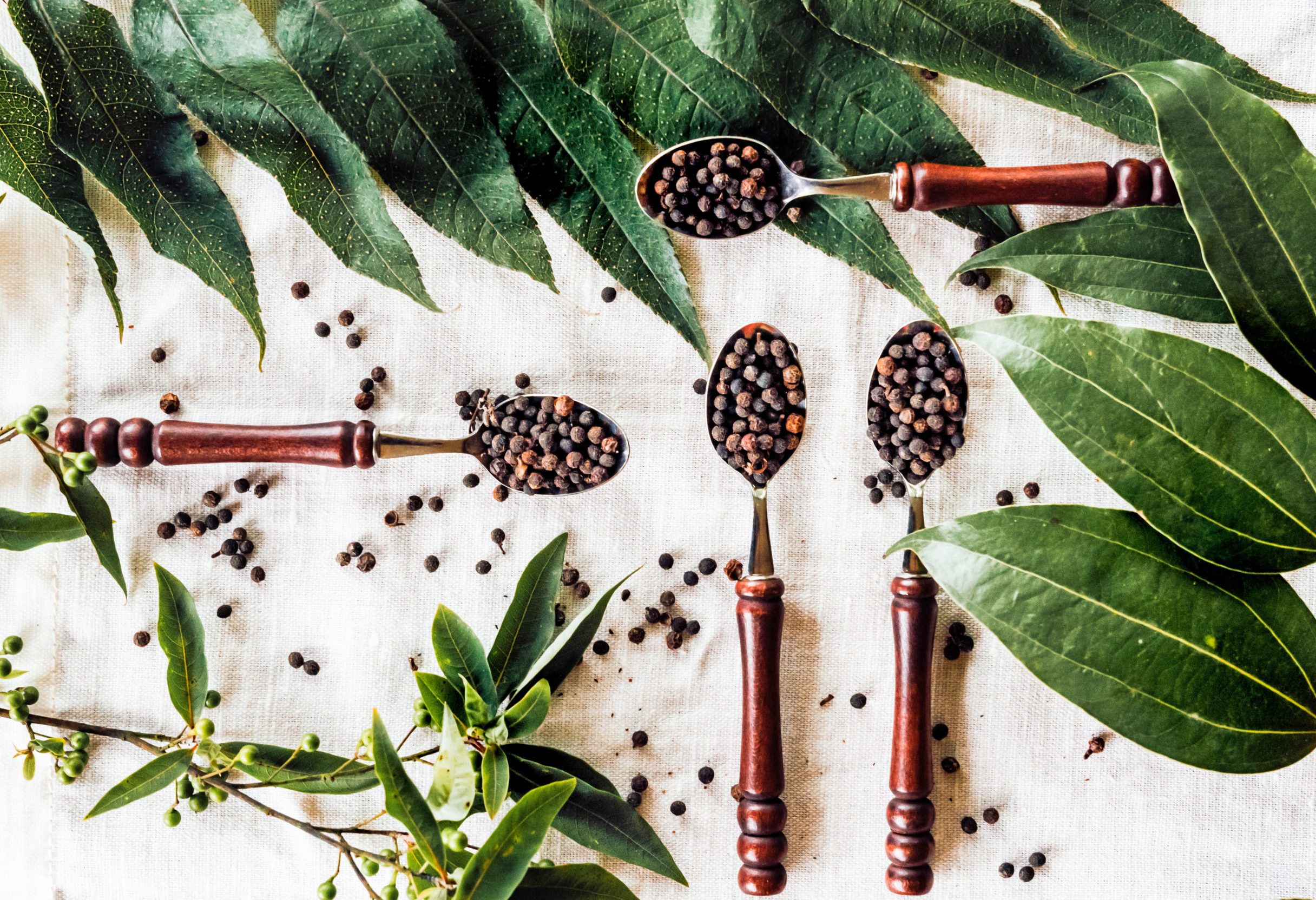
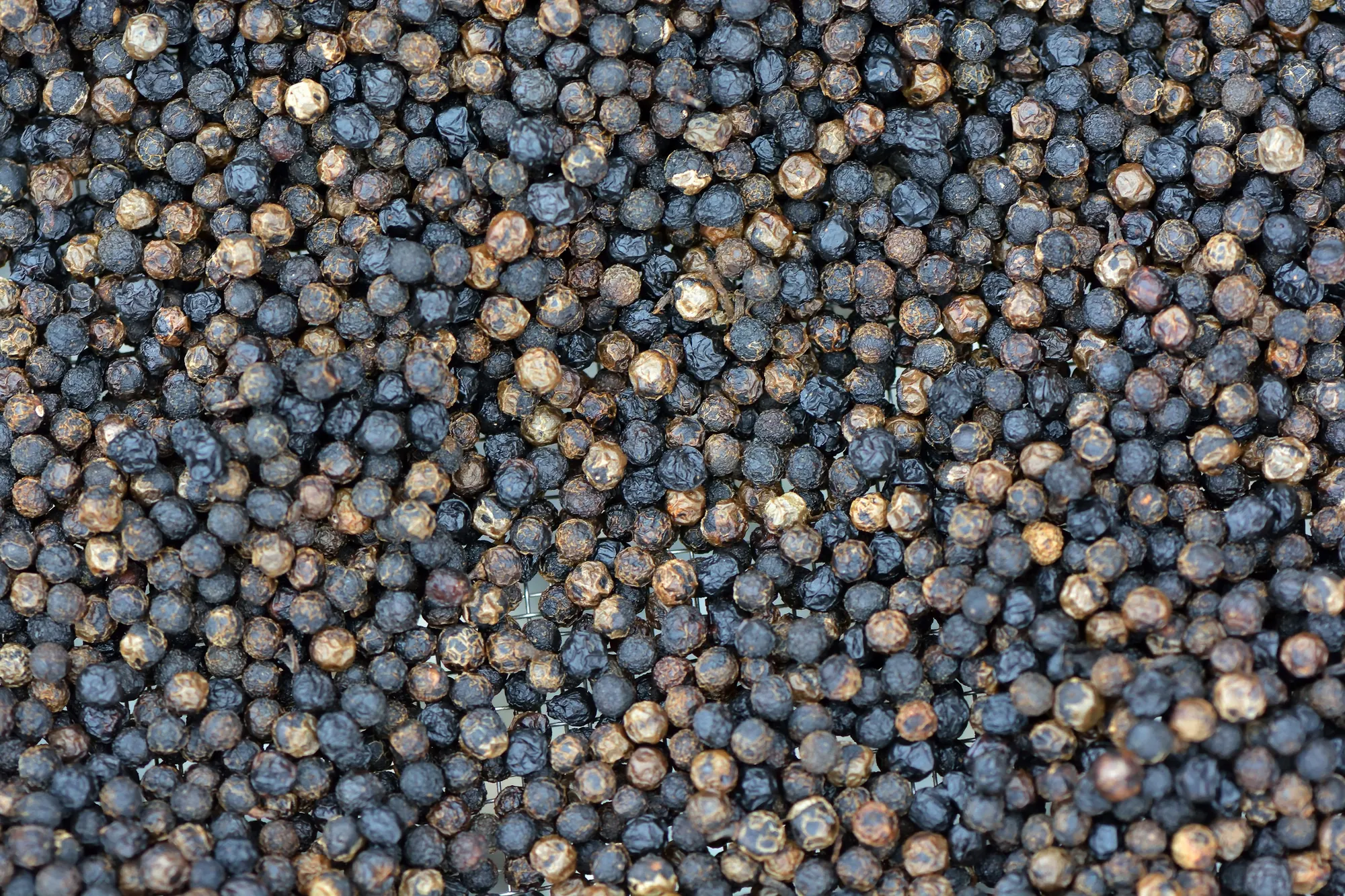
「山胡椒」在泰雅族語發音為「Makao」(馬告)意指充滿生機、生生不息,被暱稱為「山林裡的黑珍珠」。在早期,部落會以馬告替代鹽來增加食物的風味,是沒有冰箱的年代最天然的防腐劑。傳承至今,常取來做為滷肉、醃製肉類及飛魚卵時的香料。
山胡椒幾乎可說是泰雅族的名產,而分布在海拔500至1500公尺中央山脈兩側的布農族部落,則是最容易接觸山肉桂且用來入菜的族群。
山肉桂籽帶有檸檬的香氣,可製成美味的醬汁,居住在海岸山脈的阿美族,常用山肉桂葉做為佐搭檳榔的香料。
植物與當地文化緊密結合,不同族群的利用方式,讓每種植物都孕育出獨特的飲食特色。
原香入菜,從土地而生的飲食智慧
全株有刺又有香蔥味的「刺蔥」又名「紅刺蔥」,古人用它的嫩葉汁治感冒和瘧疾。而今,這種藥用植物在台灣原民文化是重要的香料,泰雅族人稱「Tana」、排灣族人稱「Kyana’kk」,應用如平地的香菜,與魚、雞一同煮湯、也可炒蛋,取代常見的胡椒,香氣更盛。
在布農族與百步蛇(布農族語稱為Kaviiad,意為「好朋友」)的神話故事中,蘭社群(Isbabanal)差點被百步蛇滅絕。
故事裡,兩名倖存的族人中有一人就是躲藏在刺蔥樹上,依靠莖幹上的尖刺使百步蛇望樹隱嘆,從而保住了性命。
東西交會,台灣原生的創意味
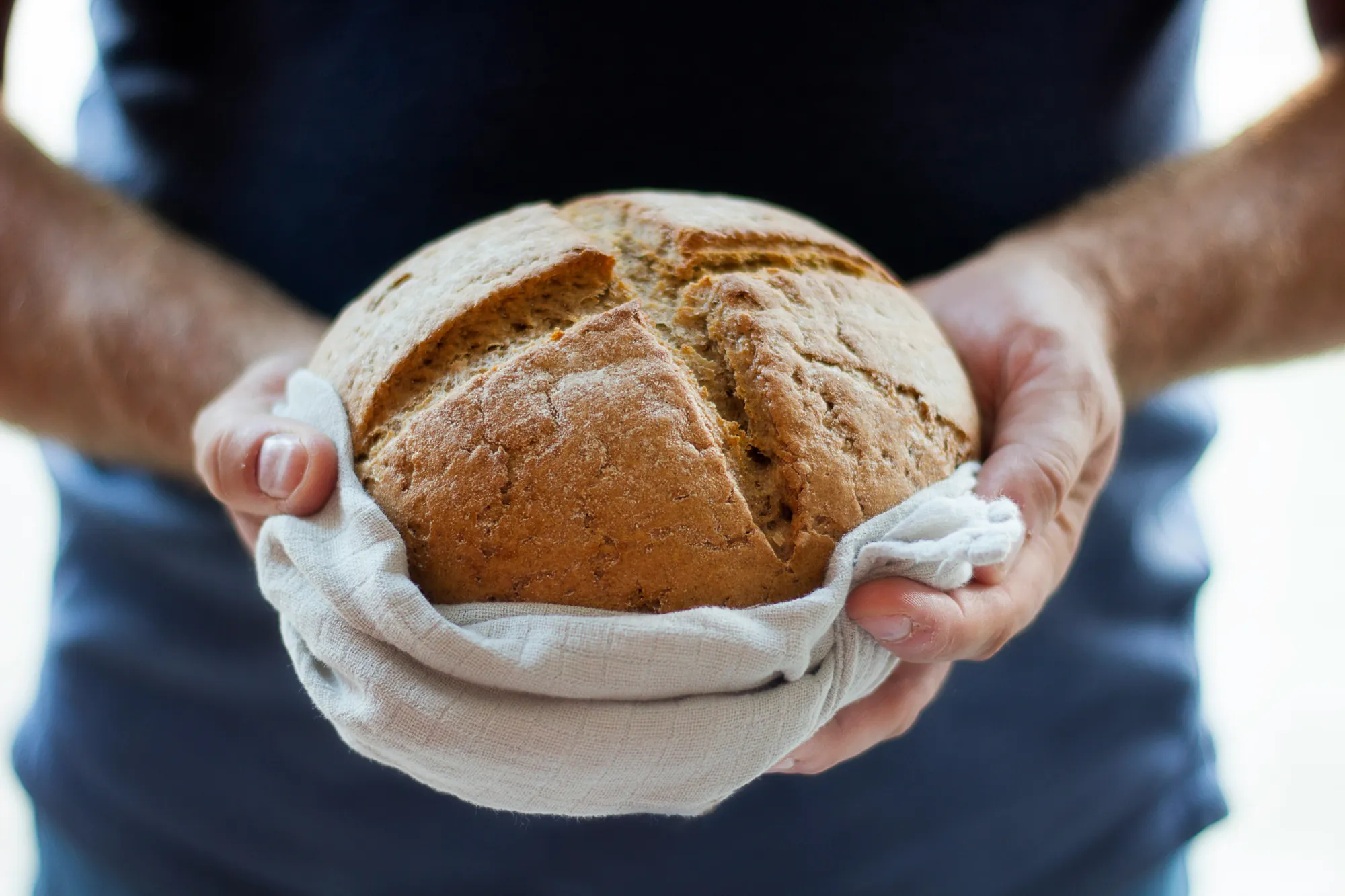
台灣原生植物與香料不只在部落持續發光,獨特的風味也飄向烘焙廚房。台灣冠軍麵包師吳寶春也以台灣小米、高粱,以及原住民部落常見的刺蔥、香檬、土肉桂和山芹菜,做出富有在地風味的麵包。
台灣原生小米品種雖達上百種,目前市場上的小米卻多仰賴進口。原住民從古老時期就開始種植小米,是主要的食糧,賽德克族人的祖先家裡的穀倉愈飽滿,代表愈有財富。但新時代因需求降低,小米文化逐漸喪失,近年成為台灣積極育種的焦點作物,小米竹筒飯在許多假日市集經常可見。
野生採集的小米能替麵包增添特質,做成酵母並混和麵粉能做出更強的糯性,烤出的麵包極富彈性。而將刺蔥融入歐式麵包可比新鮮胡椒香氣,非常搭配德國香腸或西班牙臘腸的煙燻鹹香。
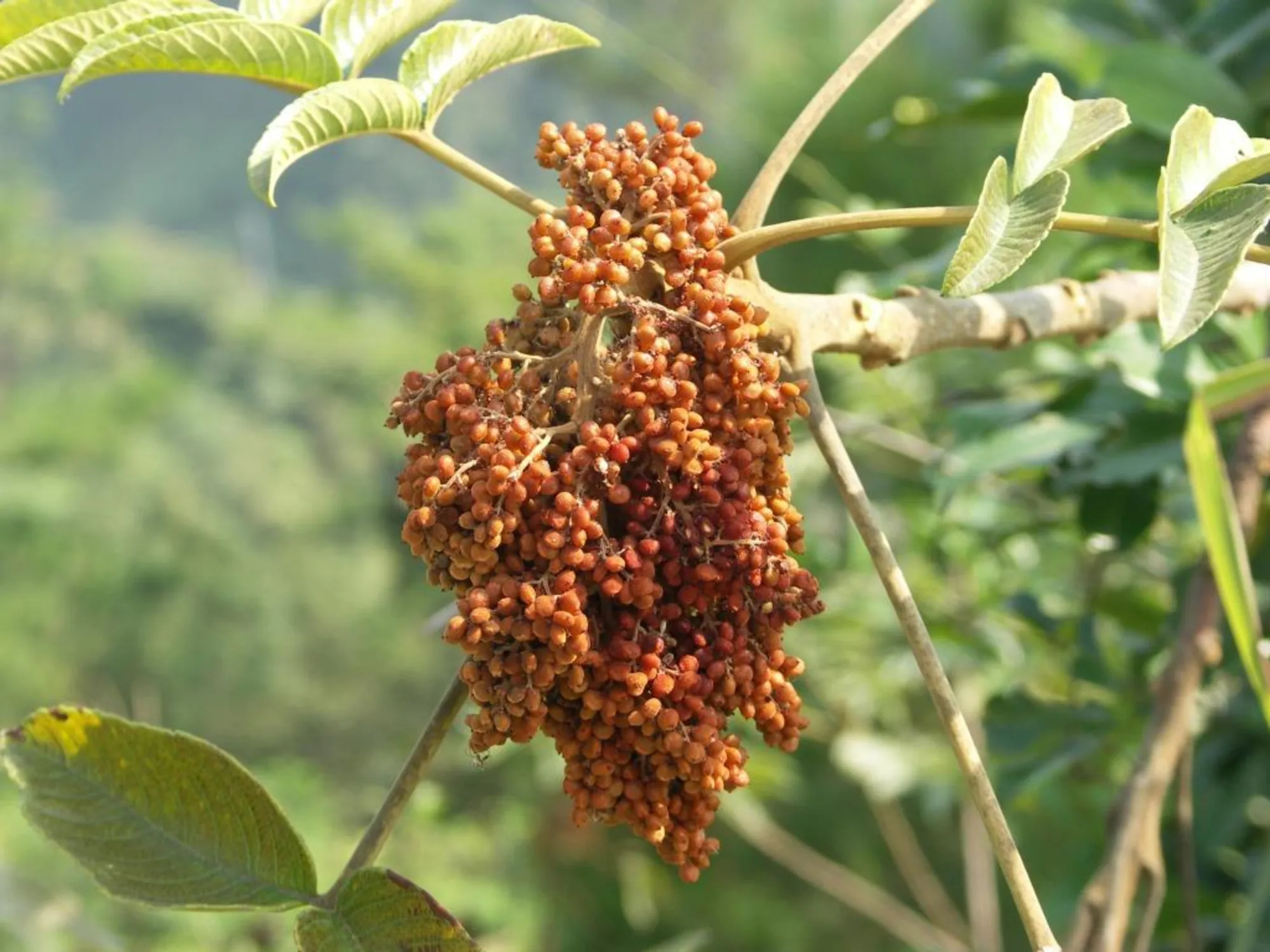
做為香料,能為料理帶來梅香酸味的鹽膚木雖是台灣新興本土香料,其實在地中海已有上千年歷史。
台灣部落會以中低海拔2000公尺以下、山麓叢林內原生的「羅氏鹽膚木」取代鹽巴做醃肉使用,類似土耳其烤肉 kebabs的中東鹽膚木用法。
身為台灣特有種的「台灣油芒」也以超級食物話題,走上Fine Dining精緻餐飲餐桌。
這種擁有豐富營養成分和油脂的穀粒,原本在島嶼佚散,沒沒無聞,是台灣南部南島史前居民開始種植,逐漸馴化為現代的台灣油芒,生命力比其他作物還強韌,是旱災時的救命穀物。
後來稻米文化興盛,日漸被取代,逐漸消失在部落間,透過中央研究院植物所邢禹依博士與徐子富老師多年考究,才重新被發現。
這些獨特的原生香料和香草植物,是代表台灣的美食使者,不僅豐富了台灣的生物多樣性,也提供了國內主廚無限的料理靈感,激發更多生態探索和風味創新的可能。