


◤Text and Images / iSee Taiwan Foundation Editorial Team
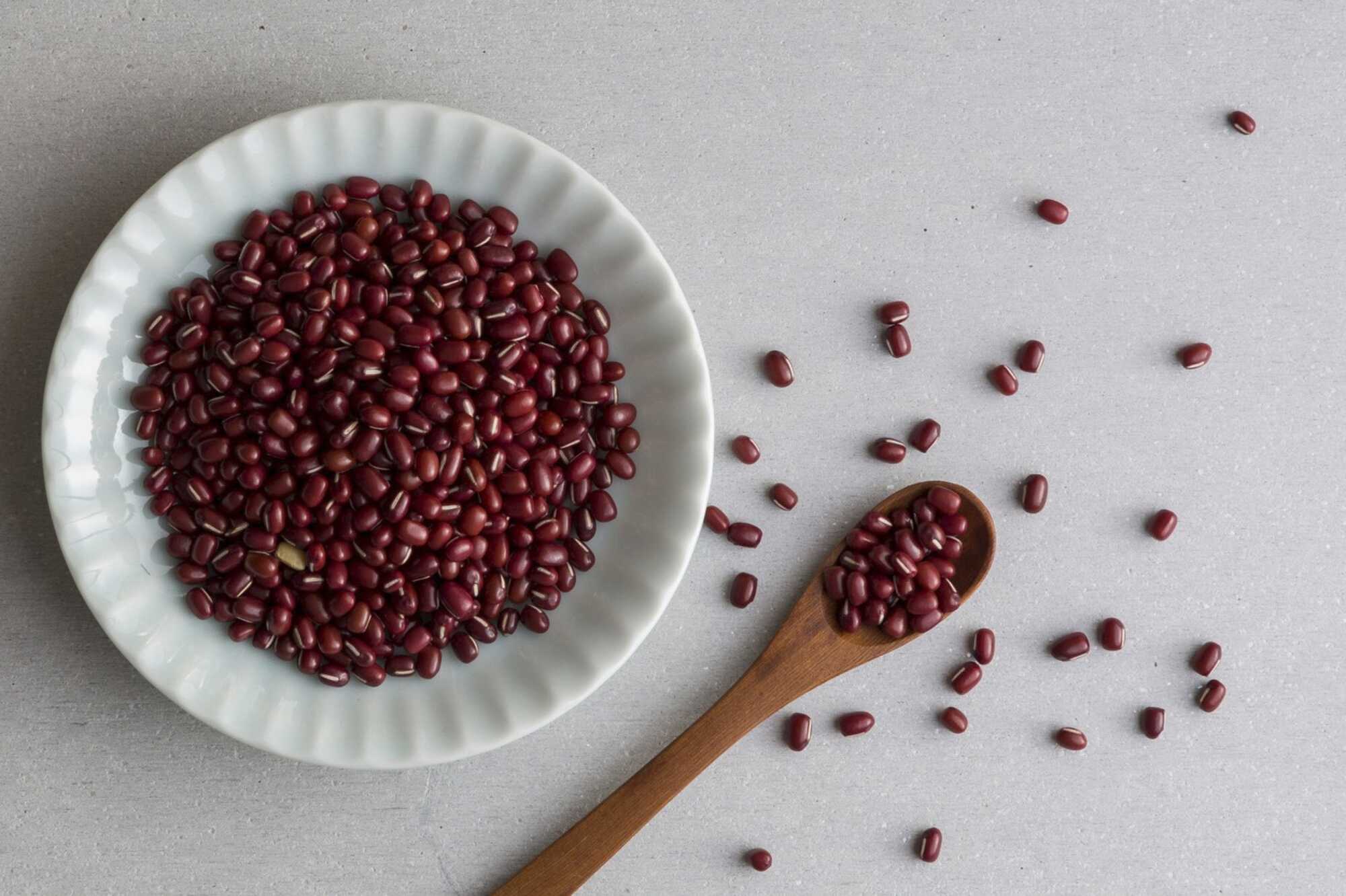
Wandan Township lies on the Pingtung Plain, where alluvial deposits from the Gaoping River provide fertile soil and abundant water resources. Red beans are typically planted after the autumn rice harvest, taking advantage of the dry, sun-drenched winter months that suit the crop well. These natural conditions produce beans that are plump and vibrantly colored, cook quickly, and deliver a smooth, velvety texture.
Wandan is one of Taiwan's most important red bean-producing areas. According to the Ministry of Agriculture, Pingtung County leads the nation in red bean output-and Wandan Township stands at the center of that production. One in every five red beans grown in Taiwan comes from Wandan. Local cultivars include Kaohsiung No. 8 and Kaohsiung No. 9, the latter marketed under the name Hong Bao ("Red Jewel") Kaohsiung No. 8 is prized for its vivid red color, thin skin, and with its vivid red color, thin seed coat, and few hard grains, making it well suited for paste and filling production. Kaohsiung No. 9, slightly larger with an equally thin skin, is the variety of choice for red bean soup, shaved ice, pastries, and baked desserts.
Beyond agriculture, red beans have long held a place in Taiwanese literature and daily life. The Qing dynasty poet Chiu Fengjia, in his Taiwan Zhuzhi Ci, wrote of oxcarts laden with red beans heading into town-a load that could carry the beans but not the weight of longing. The image gave this humble crop a layer of cultural resonance it has carried ever since.
From Contract Farming to Brand Identity
To raise quality and market competitiveness, the Wandan Township Farmers' Association established the Golden Wandan brand, building a farm-to-table management system through contract farming, production traceability, and quality inspection. Alongside traditional red bean soup and pastry fillings, the association has developed newer products such as red bean noodles, weaving the crop into everyday meals and specialty gift items as fresh vehicles for promoting Wandan's beans.
The Wandan Red Bean Milk Festival, held each winter around harvest time, brings together agricultural produce markets, themed stalls, food tastings, family activities, and cultural performances. It has grown into one of the region's signature agricultural events, drawing visitors into closer contact with Wandan's farming culture and rural identity.
In recent years, some farmers have also shifted toward eco-friendly cultivation, reducing the use of bird-deterrent measures that can harm wildlife. The "Black Kite Red Bean" initiative grew out of a sobering ecological discovery: bird-control practices in red bean fields were poisoning birds, which were then consumed by black kites, harming the raptors in turn. Through wildlife-friendly contract farming, safer cultivation methods, and production traceability, red bean growing and black kite conservation have become linked causes. From the fertile plains that yield these ruby-red beans to an agricultural practice that makes room for the natural world, Wandan's red beans speak to something larger-the ongoing story of land, people, and nature finding a way to coexist.