
'%20fill='%23a9976d'/%3e%3cpath%20id='Path_251'%20data-name='Path%20251'%20d='M8,35a1,1,0,0,1,1-1H23a1,1,0,0,1,0,2H9A1,1,0,0,1,8,35Z'%20transform='translate(-8%20-22)'%20fill='%23a9976d'/%3e%3cpath%20id='Path_252'%20data-name='Path%20252'%20d='M9,22a1,1,0,0,0,0,2h8a1,1,0,0,0,0-2Z'%20transform='translate(-8%20-16)'%20fill='%23a9976d'/%3e%3c/svg%3e)
'%20fill='%23a9976d'/%3e%3c/g%3e%3c/svg%3e)
'%3e%3cg%20id='Ellipse_27'%20data-name='Ellipse%2027'%20transform='translate(813%20250)'%20fill='none'%20stroke='%23ccac89'%20stroke-width='1'%3e%3ccircle%20cx='16'%20cy='16'%20r='16'%20stroke='none'/%3e%3ccircle%20cx='16'%20cy='16'%20r='15.5'%20fill='none'/%3e%3c/g%3e%3cg%20id='facebook'%20transform='translate(824.105%20258.296)'%3e%3cpath%20id='Path_243'%20data-name='Path%20243'%20d='M8.894.111V2.556H7.441a1.361,1.361,0,0,0-1.074.333,1.534,1.534,0,0,0-.278,1v1.75H8.8L8.441,8.38H6.089v7.028H3.255V8.38H.894V5.639H3.255V3.62A3.582,3.582,0,0,1,4.218.949,3.5,3.5,0,0,1,6.783,0,15.317,15.317,0,0,1,8.894.111Z'%20transform='translate(0%200)'%20fill='%23ccac89'/%3e%3c/g%3e%3c/g%3e%3c/svg%3e)

'%3e%3cg%20id='Ellipse_29'%20data-name='Ellipse%2029'%20transform='translate(901%20250)'%20fill='none'%20stroke='%23ccac89'%20stroke-width='1'%3e%3ccircle%20cx='16'%20cy='16'%20r='16'%20stroke='none'/%3e%3ccircle%20cx='16'%20cy='16'%20r='15.5'%20fill='none'/%3e%3c/g%3e%3cg%20id='link-45deg'%20transform='translate(902.607%20253.105)'%3e%3cg%20id='Group_479'%20data-name='Group%20479'%20transform='translate(7.393%205.896)'%3e%3cpath%20id='Path_241'%20data-name='Path%20241'%20d='M10.246,17.821,8.507,19.56a3.8,3.8,0,0,0,5.378,5.378L16.2,22.62a3.8,3.8,0,0,0-1.05-6.12l-.743.743a1.27,1.27,0,0,0-.2.252,2.535,2.535,0,0,1,1.091,4.23L12.99,24.042A2.536,2.536,0,0,1,9.4,20.455l1.005-1a5.093,5.093,0,0,1-.162-1.631Z'%20transform='translate(-7.393%20-12.02)'%20fill='%23ccac89'/%3e%3cpath%20id='Path_242'%20data-name='Path%20242'%20d='M18.236,9.327a3.8,3.8,0,0,0,1.05,6.12l.982-.984a2.535,2.535,0,0,1-1.136-4.241L21.448,7.9a2.536,2.536,0,1,1,3.587,3.587l-1.005,1a5.1,5.1,0,0,1,.162,1.631l1.739-1.739A3.8,3.8,0,1,0,20.553,7.01Z'%20transform='translate(-13.011%20-5.896)'%20fill='%23ccac89'/%3e%3c/g%3e%3c/g%3e%3c/g%3e%3c/svg%3e)
◤文/特約作家一Rene Hung 洪卉琳
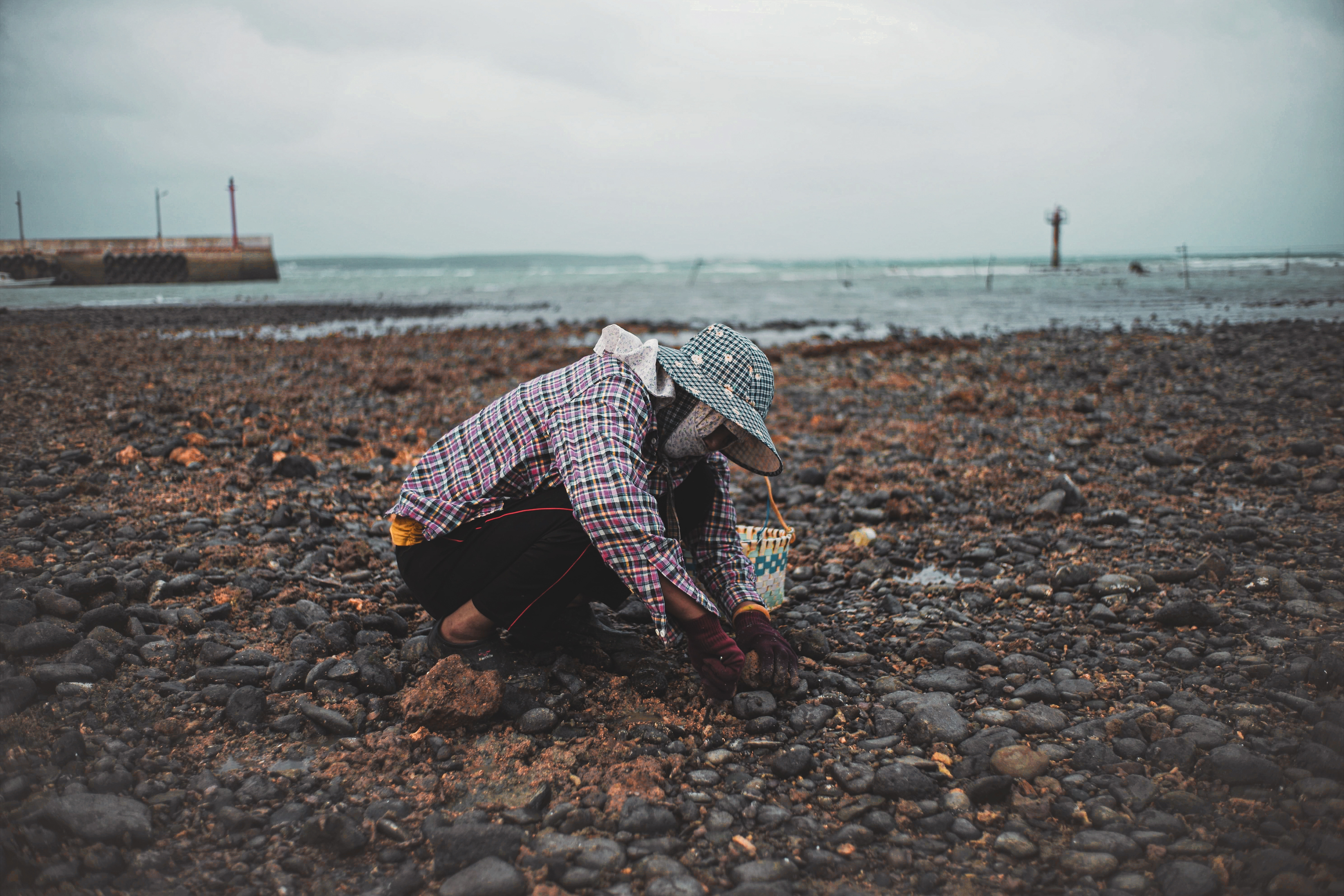
婦人手上細長的螺仔鉤伴隨著銳利眼光,整夜都忘了流傳在海邊的鬼故事,只想著要把格紋交織的鉤籃填滿。鉤籃仔在月光下映襯得繽紛顯眼,藍、黃、綠、橘交織的花色,隙縫還能濾出海水、細沙。
在婦人的眼中,比起同是編織工藝著名的國際奢侈品牌Bottega Veneta以篾片手工編織的包包,鉤籃仔更顯閃閃發光。
島嶼型食文化,澎湖美食正發光
澎湖人孕育出一種與眾不同的「島嶼型食文化」,回溯歷史洪流,這塊扮演著戰略要塞角色,不只是古時航海者穿梭黑水溝必經的休憩站。獨特的自然環境與地利之便,影響了澎湖對於各種飲食文化的開放與包容。這種開放性是由於眾多「流動人口」在此交匯,共同編織出海島獨有的飲食網絡。
從日治時期只為馬公日籍官員服務的飲食業,到台灣光復後符合外省新住民與駐軍口味的新餐廳,再到六○年代隨著旅遊業興起應運而生的海鮮料理,澎湖的餐飲業見證著時代的脈搏。
今日的澎湖,已成為名聞遐邇的旅遊勝地,每年吸引大量遊客前來。他們追尋的不僅是令人讚歎的海洋與自然風光,更是那來自海島的美味。
挖掘海島之味,潮間帶裡滿是寶物。螺貝類、海藻、小魚在退潮時露出身影,婦人趁著再次漲潮前,把鉤籃裡裝滿沉甸甸的海螺,滿載而歸。場景火速轉換到翌日清晨。
澎湖最大的北辰市場,刻苦耐勞的澎湖婦人邊挑著珠螺,邊賣起蘋果西打罐裝的醃漬珠螺。舉凡高麗菜、越瓜、珠螺等可成為醃漬品的食材,澎湖人以材質厚實、可降低發酵氣體爆破的蘋果西打寶特瓶保存。
深夜裡揀拾起的珠螺,在醃漬後成為涼拌冷食;與石老等鮮魚搭配的高麗菜酸,則在漁村家庭裡蛻變為醬汁鹹酸、餘韻清甜下飯的樸實美味。
時空轉移,照海、挑螺的工序繁複,蒙面女郎手工製作的食品愈趨稀少,連帶讓古時漁村的家常食品,成為大眾爭先恐後的懷舊美食。返鄉開業的年輕廚師將這些海螺、石鮔化身為西式精緻餐點,重新詮釋澎湖人習以為常的食材。
另一方面,遊客不只可以參加當地旅行社舉辦的潮間帶體驗之旅,也把澎湖人家常,做為早餐的小管麵線領出檯面。
夏天的澎湖,海洋的滋味
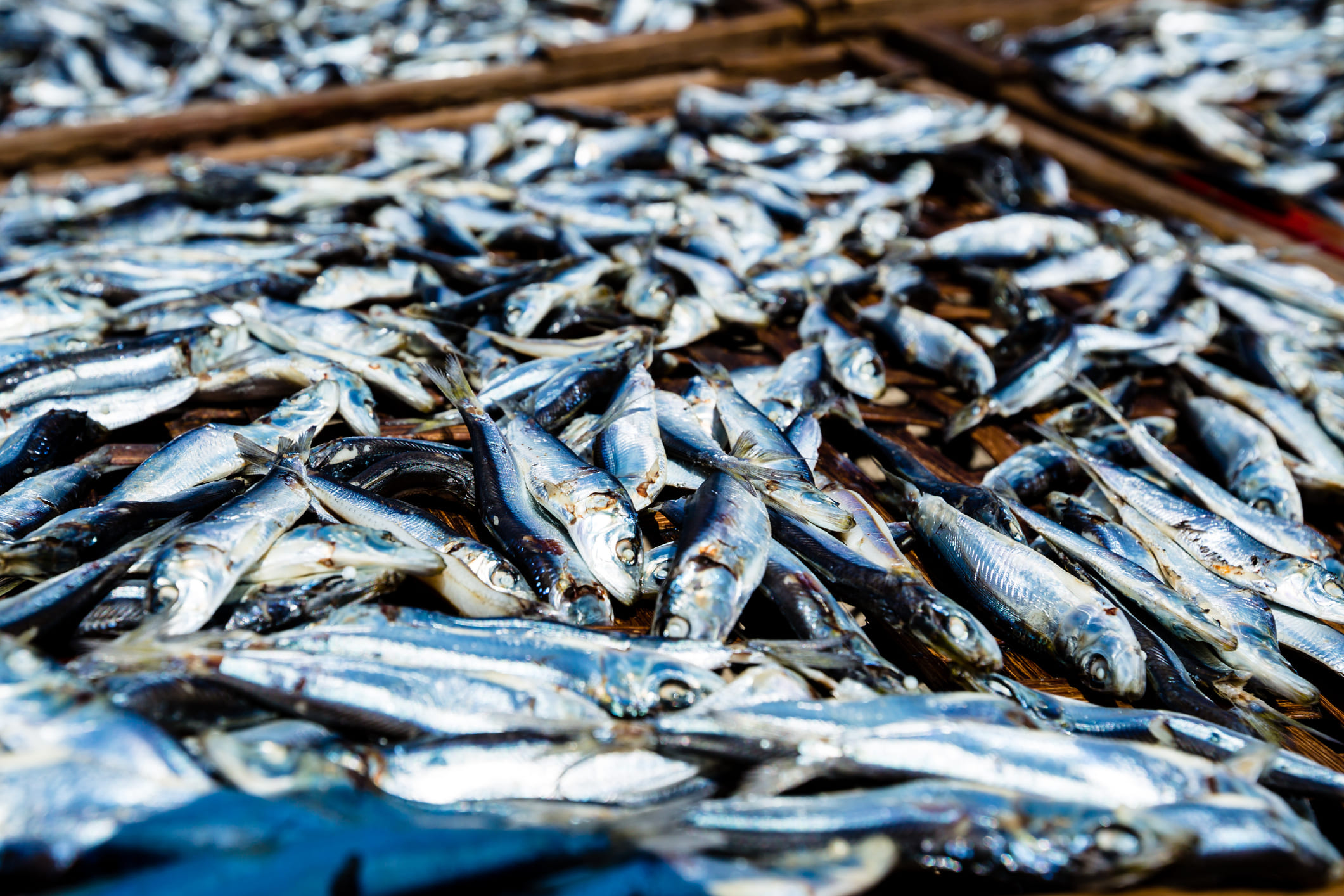
遊客在夏季時擠滿小漁村,為的是嘗一碗當天現流進港、表面猶如星辰般閃耀的新鮮小管,再搭配海風吹拂、日晒而成的澎湖麵線,兩者結合的鮮美小管麵線,征服了眾多遊客味蕾。
但遊客不知道的是,真正澎湖人認為好吃的小管麵線,可得有小管自帶的黑嚕嚕黑煙(墨囊)才算。因為那股鮮甜,是只有新鮮小管才能辦到的「著時」。
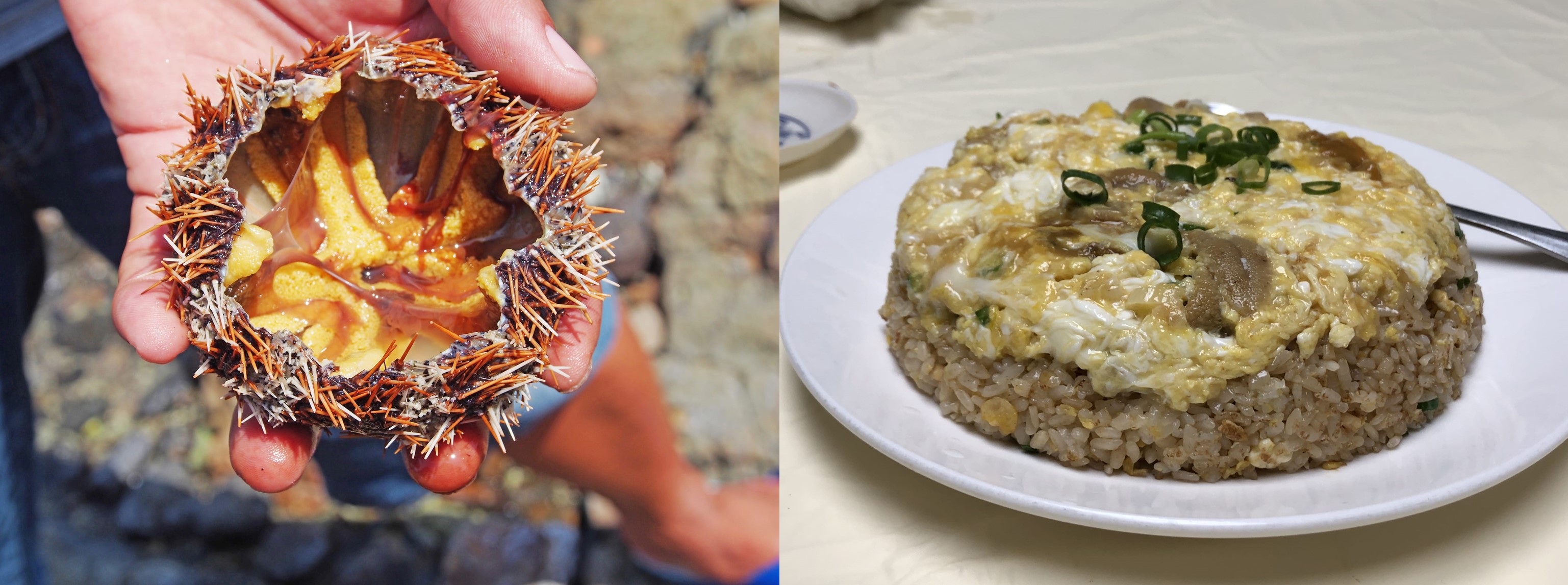
曾幾何時,漁村料理成為遊客造訪澎湖的必吃名單。夏季到澎湖,除了品嘗現流的彈牙小管,過往潮間帶隨處可揀拾的馬糞海膽,家家戶戶剖海膽後加蛋的海膽炒蛋吃法,奢侈得讓遊客為之咋舌。餐廳進化版的「海膽炒飯」,在粒粒分明的炒飯上,大方鋪滿滑嫩濃香的海膽滑蛋,讓澎湖的家常小館瞬間成為預約困難的店家。
澎湖海膽不僅是當地名物,更是全台米其林推薦餐廳的常用食材。高雄古家海鮮的海膽滑蛋,就是採用飽滿的澎湖海膽,鮮味十足。
在地人的日常海物,成米其林星星亮點
可是,若要說起從漁村料理變成不平凡的美食經濟,豈能錯過炸粿與花枝丸?「炸粿」是澎湖地區的經典美食之一,每家店的炸粿內餡各有特色,從豐富的狗蝦、鮮美的魚肉到清爽的素食內餡,令人眼花撩亂。搭配上甜辣醬、蒜蓉醬油或是刺激的辣椒醬,每一口都是讓人回味無窮的美味享受。
在各大連鎖賣場都看得到蹤跡的澎湖花枝丸,是澎湖人祭拜祖先、宴請客人的方便好料。只要從澎湖人稱為「凍箱」的掀蓋式冷凍庫裡搬出一盒盒的花枝丸,直接下油鍋酥炸、撒上胡椒鹽就大功告成。
一顆顆飽滿結實,吃得到真正花枝的花枝丸,多數由「澎湖虎斑大花枝」加工製作。加工廠裡手工剝除口感較為堅硬的外皮薄膜、去除石灰質內殼,再將花枝攪打為花枝漿,形塑成圓球狀後定型。Q彈有黏性又帶有厚實甜度的澎湖虎斑大花枝,也被澎湖的米其林推薦西班牙餐廳「Origen by Molino de Urdániz」做為指定食材。
賣場裡的花枝丸代表現代化的漁村經濟,但若要在澎湖品嘗最道地的花枝丸,以村子外站著一隻手捧花枝丸的花枝弟為代表的西嶼鄉大池村,正是花枝丸最蓬勃發展的小漁村。
有點名氣的品牌,大多吃得到大塊花枝的花枝丸,不只賣到全台賣場,就連素有「台北人廚房」之稱的台北「南門市場」也買得到,顯見漁村食品早已走出鄉村,翻轉都市人對夜市花枝丸的刻板印象。澎湖花枝既可普及常民、亦能豪華奢貴,是來自大海漁村的寶藏。
澎湖的大海,四季都有豐富的物產,元宵的「上元乞龜」擲筊活動是參與澎湖文化的好時機。一邊欣賞外垵漁火在黑夜裡亮起船燈的燈火通明,一邊隨著海風的吹拂,享受鮮美的海鮮佳餚,如烤牡蠣、海膽飯,這些美食在味蕾上彷彿是海洋的餽贈,值得特別規劃來嘗一回。