◤Text by Kao Ching-Yu
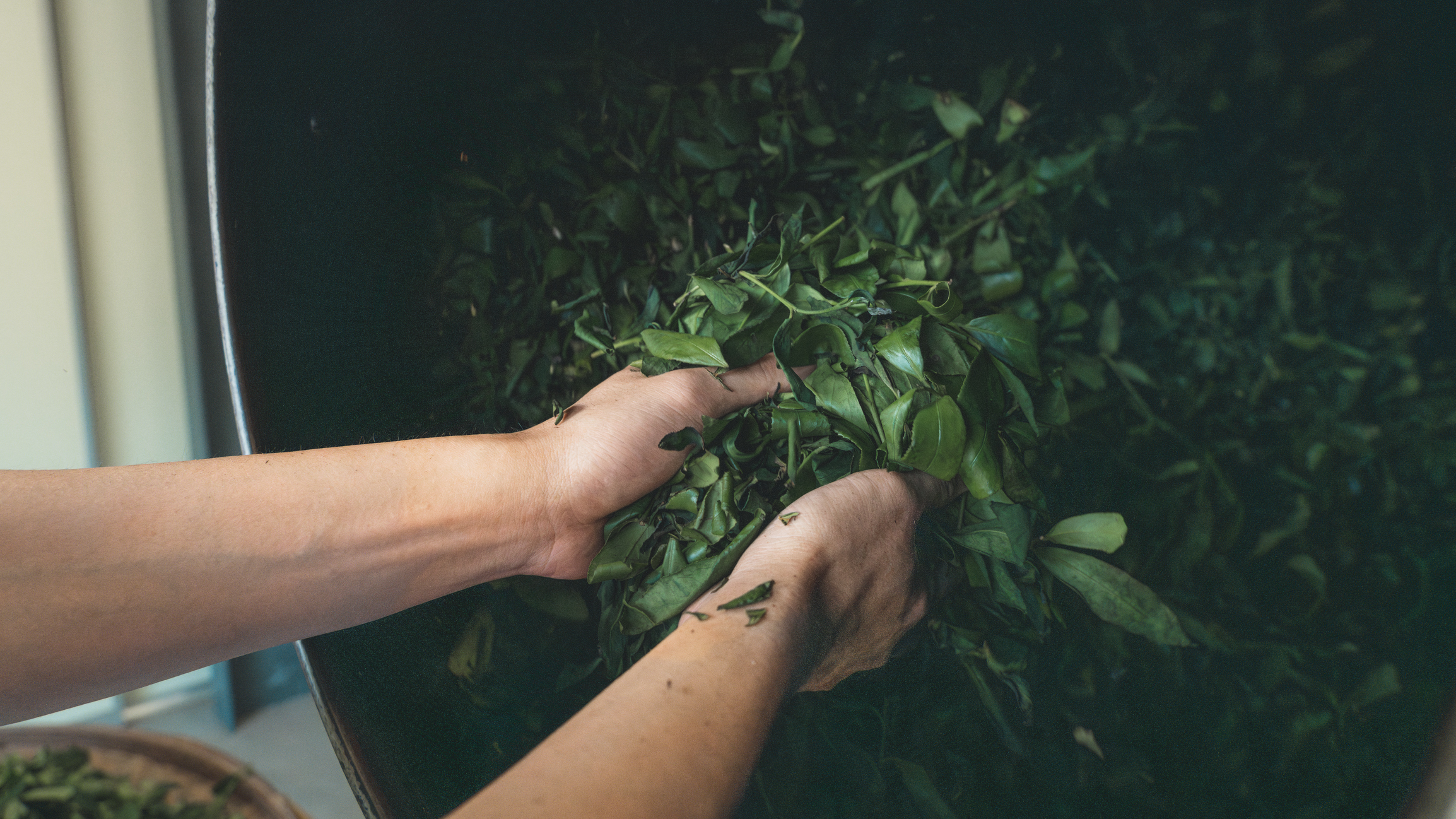
The catalyst for Taiwan's tea triumph can be traced to one visionary Englishman: John Dodd. In 1867, this enterprising merchant imported tea seedlings from Fujian's Anxi region and planted them in Taipei's rolling hills. Dodd didn't just plant tea—he cultivated an entire industry. He employed local farmers, shared cultivation secrets, provided crucial funding, established Taiwan's first modern tea processing facilities, and revolutionized production with cutting-edge machinery. When he shipped his first batch of Taiwan oolong to Macau for trial sales, the enthusiastic reception confirmed what he had suspected: Taiwan had found its liquid gold.
The following year, Dodd imported skilled tea artisans from Xiamen and Fuzhou, launching the refined production of oolong tea under the evocative brand name "Formosa Oolong"—a poetic nod to the Portuguese sailors who first called Taiwan "Ilha Formosa" (Beautiful Island).
In 1869, when Dodd's precious cargo reached New York's bustling tea markets, it created nothing short of a sensation. Such was the enthusiasm that within just one year, exports to New York quintupled, with sales revenue doubling alongside. This remarkable success earned Dodd his enduring title as the "Father of Taiwan Oolong Tea."
By 1877, Taiwan's tea leaves had secured their place on the global stage. When Japan assumed control of Taiwan eighteen years later, colonial administrators looked to the British Empire's hugely successful tea plantations for inspiration. Japanese officials harbored ambitious dreams of transforming Taiwan into their own tea empire—one that would study British tea culture, perfect the art of black tea production, and export Taiwan's liquid treasures worldwide, filling imperial coffers with precious foreign currency.
Under this ambitious Japanese colonial blueprint, Taiwan's black tea industry began to take systematic shape. Different varieties of Taiwan tea—the Baozhong, black teas, and green teas—found their way to international markets during distinct periods, each riding the waves of global demand and colonial strategy. The bustling port district of Dadaocheng (大稻埕, Taipei's historic port district) became the epicenter of this tea boom, where shrewd compradors (trading intermediaries) struck it rich facilitating deals between local producers and foreign merchants. Among these entrepreneurial tea barons emerged a figure who would leave an indelible mark on Taiwan's commercial landscape: Li Chunsheng.
Born in Dadaocheng and initially working under John Dodd's tutelage, Li Chunsheng would eventually earn the distinguished title "Father of Taiwan Tea." He successfully established "Formosa Oolong Tea" as a coveted commodity in European and American markets, transforming Taiwan tea from an exotic curiosity into a serious topic of conversation among discerning tea enthusiasts from London to New York. To call the late 19th century Taiwan's "Golden Age of Tea" would be no exaggeration.
The Golden Era of Competition Teas and Tea Houses
Following Taiwan's golden tea era of the 19th century, the island's small-leaf black tea exports began facing headwinds. Unlike the robust, full-bodied character of the large-leaf black teas that dominated international palates, Taiwan's more delicate varieties struggled to maintain their foothold. Compounded by the disruptions of war and the global energy crisis, the once-thriving export market gradually lost steam.
Faced with declining overseas demand, enterprising farmers pivoted toward the domestic market—a strategic shift that gave birth to Taiwan's world-renowned tea appreciation culture and sophisticated tea evaluation competitions that continue to set global standards today. The premium teas emerging from these rigorous contests—known as competition teas—achieved remarkable success in the domestic market and created a legacy that endures to this day.The rise of Taiwan's competition tea culture is inextricably linked to one legendary variety: Dong Ding Oolong.
In 1976, Taiwan's tea gardens were concentrated in the villages of Fenghuang, Zhangya, Yonglong, and Guangxing in Nantou County's Lugu Township. To encourage a national tea-drinking culture, the provincial government's Department of Agriculture and Forestry partnered with the Lugu Township Farmers' Association to organize Taiwan's inaugural Spring Tea Competition. By the third competition, the farmers' association began purchasing top-grade teas at guaranteed premium prices, awarding cash prizes while limiting purchase quantities per buyer. When demand exceeded supply, they resorted to a lottery system to determine who could buy these coveted leaves. With excellent prices, exceptional quality, and the program's success in nurturing skilled tea farmers, competition teas began building their legendary reputation.
The watershed moment came in 1982, when Taiwan's tea farmers gained the freedom to produce, process, and market their own teas independently. This unleashed a golden age of innovation—with countless competitions and brands vying for excellence, Taiwan's oolong tea production and manufacturing techniques advanced by leaps and bounds. Today, competition teas have blossomed throughout Taiwan, serving as trusted quality benchmarks for discerning consumers.
Flourishing alongside this competition tea renaissance was Taiwan's sophisticated tea appreciation culture. The island's tea ceremony traditions evolved during this period, weaving together time-honored practices with bold innovations to create a diverse tapestry of tea ritual and philosophy.
Established in 1980, the Lu Yu Tea Arts Center (named after the Tang Dynasty tea sage) dedicated itself to advancing tea education, offering professional tea master certification programs and nurturing skilled practitioners. The following year, the legendary Wistaria Tea House opened its doors, becoming a cherished gathering place for literati, scholars, and artists—a cultural salon that witnessed Taiwan's tea culture deepening and evolving in real time.
In 1982, "Dongpo Residence" debuted with an enchanting interior that transported visitors into a classical Chinese garden: miniature bridges arched over flowing water while yellow orioles sang among the wooden fixtures, complemented by exquisite tea delicacies and elegant seating arrangements that epitomized refined taste.
The 1990s brought unprecedented prosperity as Taiwan's stock market soared past 10,000 points, ushering in an era of affluence that further fueled the tea appreciation craze. Sophisticated tea houses proliferated alongside increasingly refined tea implements and accessories. In these elegant establishments, both patrons and proprietors would proudly display their prized competition teas, engaging in friendly contests to determine whose leaves reigned supreme.
Tea Sommeliers: The New Generation Rewriting Tea's Traditional Culture
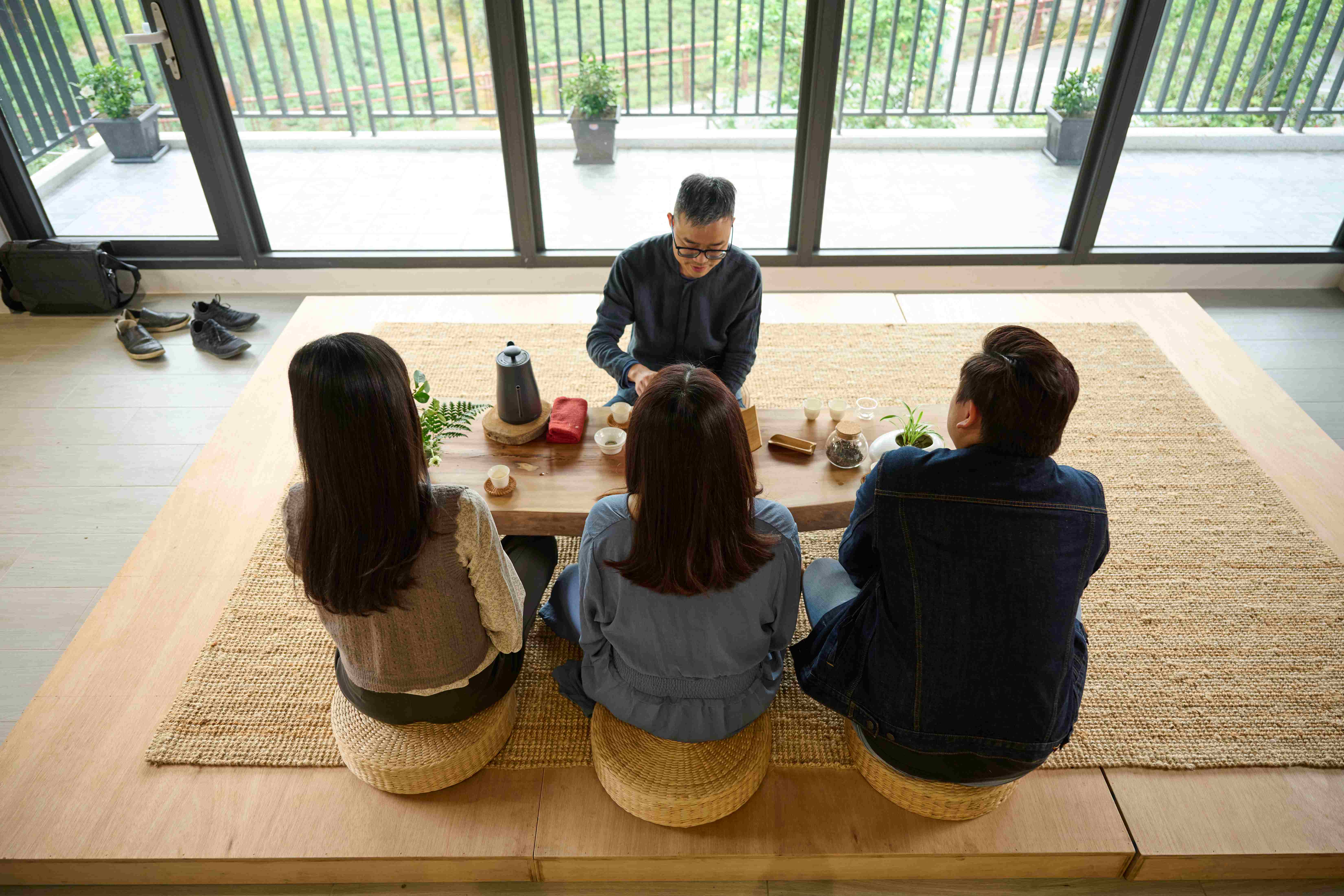
In recent years, inspired by Western wine tasting culture, Taiwan's tea world has begun developing its own sophisticated "tea tasting" approach, elevating tea appreciation to unprecedented levels of refinement. Some tea schools and institutions—such as Taichung City's Tea Talk Academy—have introduced systematic flavor profiling and aroma analysis techniques, guiding consumers to discover the nuanced complexities and remarkable diversity that define Taiwan's tea landscape.
This evolution has given birth to a new professional figure: the tea sommelier (si cha shi). These skilled practitioners engage with guests through guided tastings, articulating the intricate interplay of flavors and terroir while revealing the layered depths that make each cup a journey of discovery. Through their expertise, consumers gain access to the rich cultural heritage and inherent value that lies beneath each sip.
By developing a precise vocabulary for describing flavor profiles and sensory experiences, tea sommeliers have created a common language that allows both tea makers and tea drinkers to understand exactly what qualities are being expressed and appreciated. This linguistic precision represents the tea sommelier's greatest contribution to traditional tea culture.
As Taiwan's tea appreciation culture has grown increasingly sophisticated, the concept of "tea pairing" is beginning to make its mark on the island's culinary landscape. Tea pairing involves the artful matching of teas with food, where each element enhances the other to create richer, more complex flavor experiences. This innovative approach not only challenges traditional tea-drinking customs but also opens exciting new possibilities for Taiwan's dining culture, elevating tea to the same refined level as wine or sake—sophisticated enough to complement Michelin-starred cuisine as the perfect dining companion.
Tea appreciation can transcend the formal boundaries of traditional tea ceremonies and elaborate tea settings. Instead, pure tea expressions can showcase remarkable flavor journeys and transformations. By adapting the systematic approaches used for sake and wine appreciation—employing the internationally recognized tasting logic that professional sommeliers understand—Taiwan tea can be described and presented in ways that effectively communicate its unique flavors and cultural heritage to consumers worldwide.
This evolution from simple tea drinking to sophisticated tea-and-food pairing promises to enhance dining experiences with greater purity and depth, allowing diners to experience both the tranquility that exceptional tea brings and the expansive range of flavors it can offer. Such innovations will inject fresh vitality into Taiwan's contemporary dining scene, creating entirely new possibilities for culinary expression.