
'%20fill='%23a9976d'/%3e%3cpath%20id='Path_251'%20data-name='Path%20251'%20d='M8,35a1,1,0,0,1,1-1H23a1,1,0,0,1,0,2H9A1,1,0,0,1,8,35Z'%20transform='translate(-8%20-22)'%20fill='%23a9976d'/%3e%3cpath%20id='Path_252'%20data-name='Path%20252'%20d='M9,22a1,1,0,0,0,0,2h8a1,1,0,0,0,0-2Z'%20transform='translate(-8%20-16)'%20fill='%23a9976d'/%3e%3c/svg%3e)
'%20fill='%23a9976d'/%3e%3c/g%3e%3c/svg%3e)
酪梨─綽號「幸福果」,台灣版本更適合做酪梨牛奶
地方探索
主題探索
南部
文化美食
分享
'%3e%3cg%20id='Ellipse_27'%20data-name='Ellipse%2027'%20transform='translate(813%20250)'%20fill='none'%20stroke='%23ccac89'%20stroke-width='1'%3e%3ccircle%20cx='16'%20cy='16'%20r='16'%20stroke='none'/%3e%3ccircle%20cx='16'%20cy='16'%20r='15.5'%20fill='none'/%3e%3c/g%3e%3cg%20id='facebook'%20transform='translate(824.105%20258.296)'%3e%3cpath%20id='Path_243'%20data-name='Path%20243'%20d='M8.894.111V2.556H7.441a1.361,1.361,0,0,0-1.074.333,1.534,1.534,0,0,0-.278,1v1.75H8.8L8.441,8.38H6.089v7.028H3.255V8.38H.894V5.639H3.255V3.62A3.582,3.582,0,0,1,4.218.949,3.5,3.5,0,0,1,6.783,0,15.317,15.317,0,0,1,8.894.111Z'%20transform='translate(0%200)'%20fill='%23ccac89'/%3e%3c/g%3e%3c/g%3e%3c/svg%3e)

'%3e%3cg%20id='Ellipse_29'%20data-name='Ellipse%2029'%20transform='translate(901%20250)'%20fill='none'%20stroke='%23ccac89'%20stroke-width='1'%3e%3ccircle%20cx='16'%20cy='16'%20r='16'%20stroke='none'/%3e%3ccircle%20cx='16'%20cy='16'%20r='15.5'%20fill='none'/%3e%3c/g%3e%3cg%20id='link-45deg'%20transform='translate(902.607%20253.105)'%3e%3cg%20id='Group_479'%20data-name='Group%20479'%20transform='translate(7.393%205.896)'%3e%3cpath%20id='Path_241'%20data-name='Path%20241'%20d='M10.246,17.821,8.507,19.56a3.8,3.8,0,0,0,5.378,5.378L16.2,22.62a3.8,3.8,0,0,0-1.05-6.12l-.743.743a1.27,1.27,0,0,0-.2.252,2.535,2.535,0,0,1,1.091,4.23L12.99,24.042A2.536,2.536,0,0,1,9.4,20.455l1.005-1a5.093,5.093,0,0,1-.162-1.631Z'%20transform='translate(-7.393%20-12.02)'%20fill='%23ccac89'/%3e%3cpath%20id='Path_242'%20data-name='Path%20242'%20d='M18.236,9.327a3.8,3.8,0,0,0,1.05,6.12l.982-.984a2.535,2.535,0,0,1-1.136-4.241L21.448,7.9a2.536,2.536,0,1,1,3.587,3.587l-1.005,1a5.1,5.1,0,0,1,.162,1.631l1.739-1.739A3.8,3.8,0,1,0,20.553,7.01Z'%20transform='translate(-13.011%20-5.896)'%20fill='%23ccac89'/%3e%3c/g%3e%3c/g%3e%3c/g%3e%3c/svg%3e)
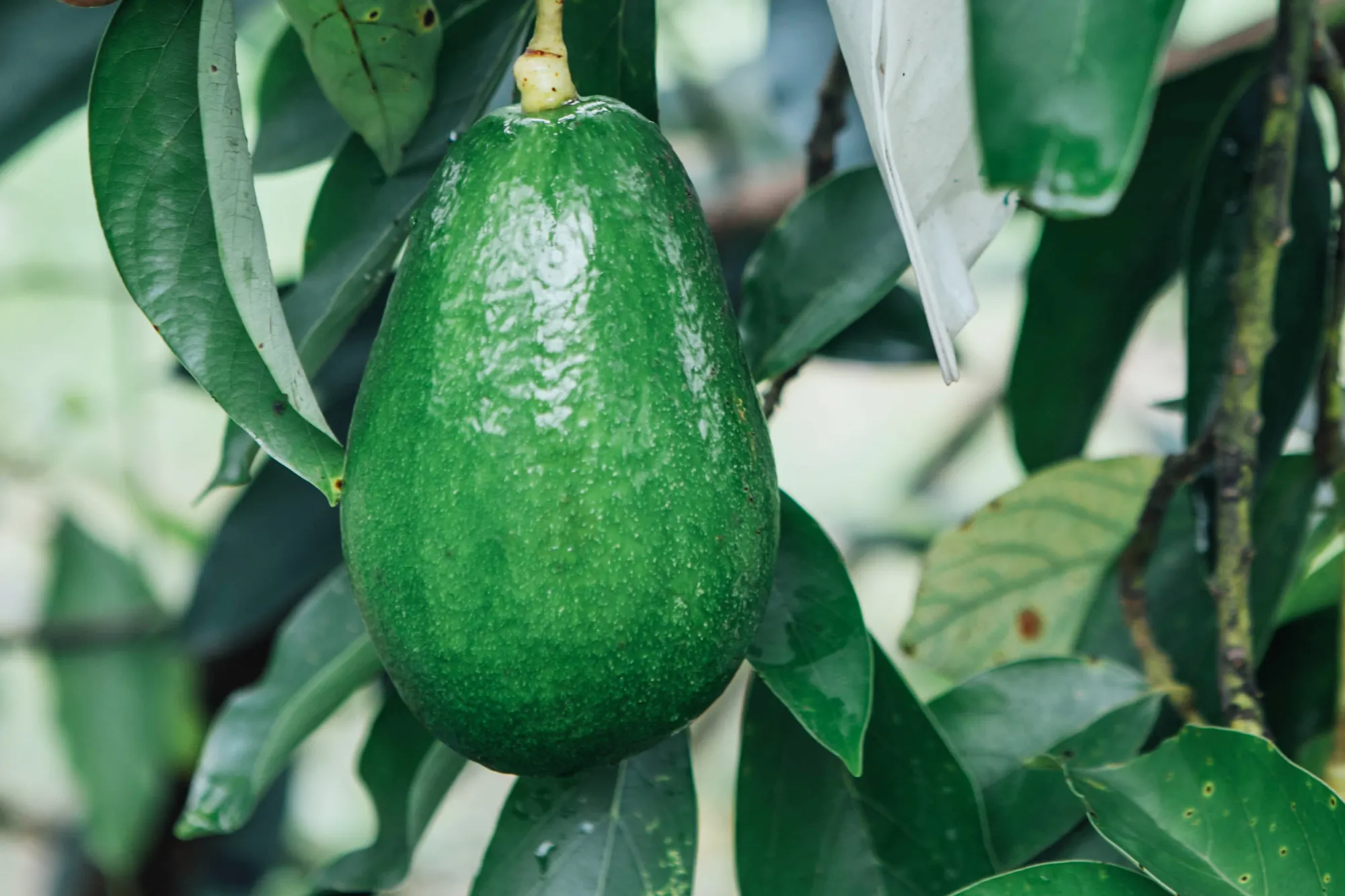
酪梨因為形狀像梨、果肉吃起來像乳酪,在台灣稱之為「酪梨」。早期延續日治時代以「鱷梨」稱之,或是取其「窮人奶油」的美稱,稱之為「油梨」。
◤文.圖/看見台灣基金會編輯群
因
為酪梨營養素有助於人體吸收,曾被金氏世界紀錄列為「營養最豐富的水果」,在台灣積極推廣酪梨的台大園藝系教授林樸,又給了酪梨一個可愛的名字——幸福果。
酪梨原產於中南美洲;1902到1909年間(日治時期)由植物學者陸續引進台灣,歷經多次栽種失敗的挫折,最終在1922年栽種成功。
日治時期結束後,政府陸續自美國引種改良,台灣才有現今的美味酪梨。台灣種植的酪梨品種分早、中、晚熟三類,產期自5、6月起至隔年3月,以台南為主要產地。台灣在地酪梨品種已經多達30多種。
▋台灣酪梨切丁外銷,歐美消費者趨之若鶩
相較於國外因為富含油份、多直接入菜或切片做成沙拉食用的哈斯(HASS)酪梨,台灣酪梨油份較低、含水率較高、口感滑順,適合製作飲料,連台南區域立委都曾經在立法院裡把新鮮酪梨加上鮮奶打成香濃的酪梨牛奶推廣台南酪梨,當時媒體以「半個立法院都跑來嘗鮮」形容盛況。
據造訪台灣的外國旅客形容:「台灣酪梨有一種獨特的甜香滋味。」因此,台灣種植酪梨的農民也開始將酪梨切丁,出口到國外;每年訂單都有穩定成長,包括加拿大、美國、英國都有超市向台灣下訂單。
想要一嘗台灣本地酪梨,最好的方法就是在產季期間到傳統菜市場尋找,價格便宜、水分充足、香甜可口,甜的打成酪梨牛奶、鹹的切片沾醬油或是做成酪梨壽司捲,都能享受台灣限定幸福果的絕妙好滋味。
探索更多
粄條─客家經典米食代表 ,Q滑順口
「去到新埔、美濃這兜客家莊,無食兩碗仔粄條哪做得?」(客家話,意指,去到新埔、美濃這些客家莊,沒有吃上幾碗粄條怎麼行)證明粄條真的是台灣客家經典米食點心代表。
愛玉─台灣獨有,米其林指南也讚嘆
全球美食聖經《米其林指南》這樣形容愛玉:「這是台灣獨步全球的食材,全世界只有台灣能生產這個澎潤 Q 彈的美味。」台灣不少精緻料理廚師,採用愛玉來彰顯它「世界唯一」的台灣價值。
柑橘─全世界、台灣都是產量最大水果
柑橘,泛指各種芸香科柑橘屬水果,包括橘、柚、檸檬、葡萄柚等,彼此雜交出的品種約200種,台灣民眾俗稱的柑橘,其實只涉及「橘」這一類。