logo icon
Story of the Day
logo icon
search icon

Taiwan's Bento—How Everyday Comfort Food Conquered Japan

share
Facebook Share IconLine Share IconCopy Link Icon
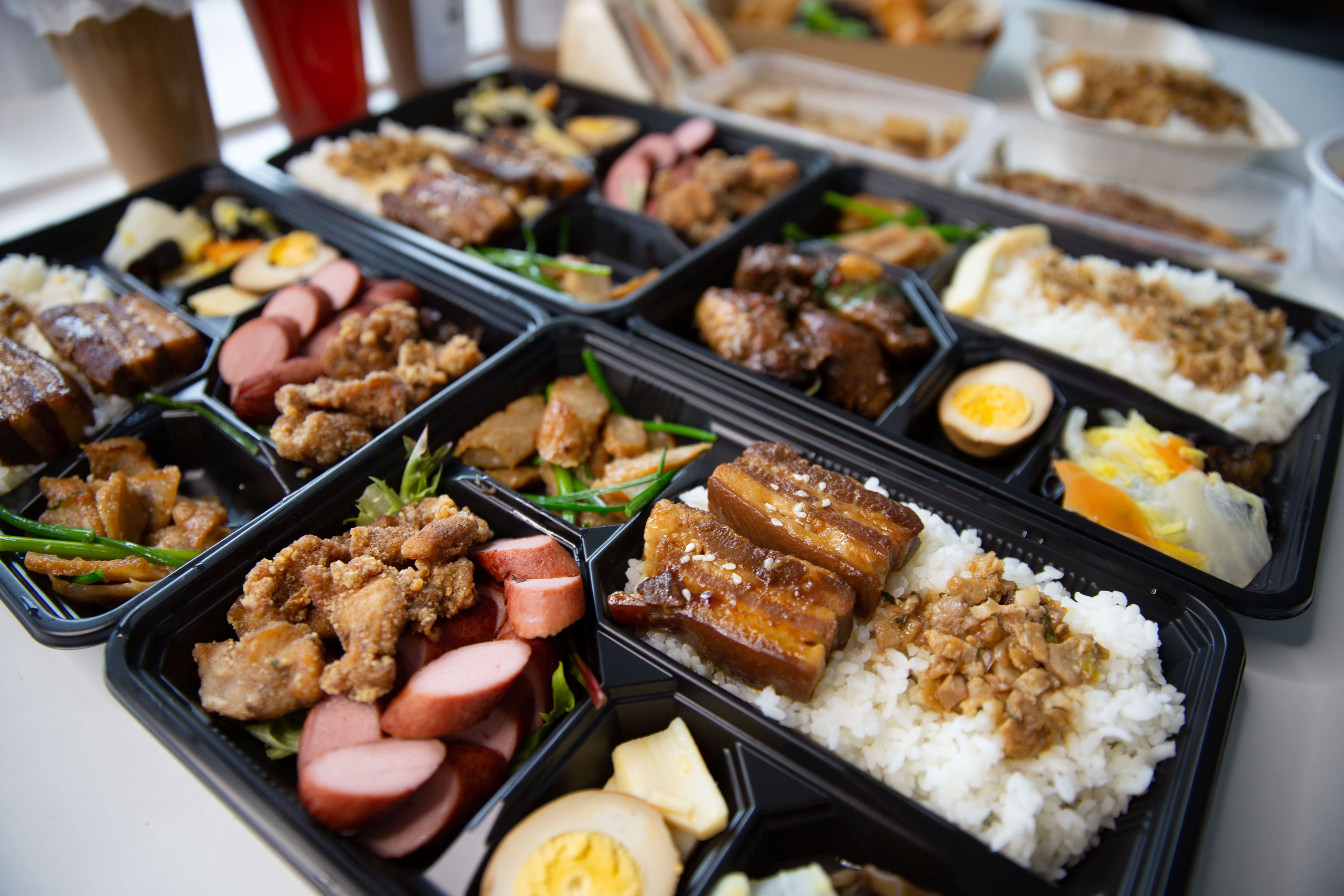
Taiwan's bento (Japanese-style lunchbox) boxes have quietly become one of the island's most iconic food exports. They hold pride of place not only on local dinner tables but also in Japanese department stores, where they routinely sell out within hours of appearing. What makes this seemingly ordinary comfort food so compelling? Writer Hitoto Yo takes us on a journey through her childhood memories and personal exploration to discover the unforgettable story behind Taiwan's beloved bento. Photo source:iStock)

Whenever Japanese department stores hold Taiwan bento exhibitions, the boxes sell out immediately. Alongside Taiwanese honey cakes and bubble tea, Taiwan's bento has emerged as a shining star in the archipelago's food scene. But what makes these lunchboxes so popular? Let's explore.

I spent my childhood in 1970s Taiwan, and memories of those early bento experiences remain vivid. The most memorable involved frequent visits to a bento shop with my family's driver. As "the young lady of the Yen family," my after-school routine was predictable: a black sedan would wait at the gates of Fuxing Elementary School in Taipei's Da'an District to whisk me off to piano lessons, gymnastics, and other enrichment classes. When hunger struck, the driver would lean over conspiratorially and say, "Don't tell your mother!" Then he'd take me to a small bento shop behind the school.

The Taste of Childhood Bento

I can't recall the shop's name. It was unremarkable—just a modest storefront—yet a line always snaked out the door, and the air filled with the sizzle of frying and irresistible aromas. The signature fried chicken cutlets and pork chops dwarfed my small hands, making every visit an agonizing choice. 

I always ate my bento in the car. Opening the freshly packed box, I'd find steaming white rice topped with an enormous pork chop, the rice beneath soaked through with braising sauce. I’d blow on the hot pork chop to cool it, and take that first bite—sweet and salty sauce flooding my mouth with what felt like magic, making me momentarily forget the dreaded lessons awaiting me. 

I also loved the bento my mother packed daily. Alongside the main dish sat a braised egg and some vegetables, the white rice infused with the same fragrant braising sauce. I'd place my aluminum lunch box in the crate at the front of the classroom, and the class monitors would carry them all to the steam box. By noon, our piping hot bentos returned to us. 

But how did Taiwan’s hot bento tradition begin? Taiwan's bento culture traces back to the Japanese colonial era, when ekiben (railway station bento) arrived on the island. Early Taiwan bentos resembled their Japanese counterparts—served cold with dishes like tamagoyaki and fish cakes. After the war ended in 1945, Chinese refugees and military personnel who relocated to Taiwan found cold bentos unpalatable. They began reheating them and incorporating distinctly Taiwanese spices like star anise. From this cultural fusion, Taiwan's bento evolved its unique character.

Taiwan vs. Japan: Contrasting Aesthetics and Flavor

When I returned to Japan for middle school, I was dismayed to discover that the "piping hot bento" I'd taken for granted simply didn't exist there.

Japanese bentos may be visually appealing—octopus-shaped sausages, star-cut carrots, cherry tomatoes, broccoli arranged in neat, colorful rows. But to me, Taiwan's bento held far greater appeal: that generous main dish laid boldly atop steaming rice, all in a single, unapologetic shade of brown.

The cold Japanese bento with its rice and side dishes compartmentalized felt bland to this child raised in Taiwan. In those early days, I often yearned for Taiwanese flavors. As years passed, however, those bento memories faded and blurred.

It wasn't until after I turned 40, when work and travel brought me back to Taiwan frequently, that I reunited with Taiwan's bento.

While researching for a book, I traveled across Taiwan and discovered that each region boasts its own famous bento. These encounters awakened dormant memories, and sampling local specialties became one of my greatest travel pleasures.

In eastern Taiwan, Chishang Township in Taitung is renowned for its rice. Near the train station, numerous Chishang Bento shops do brisk business. The side dishes typically include pork chops, sausage, and braised eggs, but the real star is the rice itself—fragrant, springy, and perfectly separated grains that leave you craving another bowl.

Moving north, Fulong Station is surrounded by bento shops where the signature dish is braised pork. The aromatic braised pork paired with unlimited servings of Taiwanese preserved radish creates what feels like a Taiwanese food paradise. Nearby Yilan features bentos centered on local duck, the smoky aroma equally mouthwatering. Further south, indigenous communities in Pingtung County offer distinctive varieties featuring red quinoa, a local specialty, alongside bentos with chicken marinated in red yeast rice.

Delicious, Abundant, Affordable: The Key to Taiwan's Bento Appeal


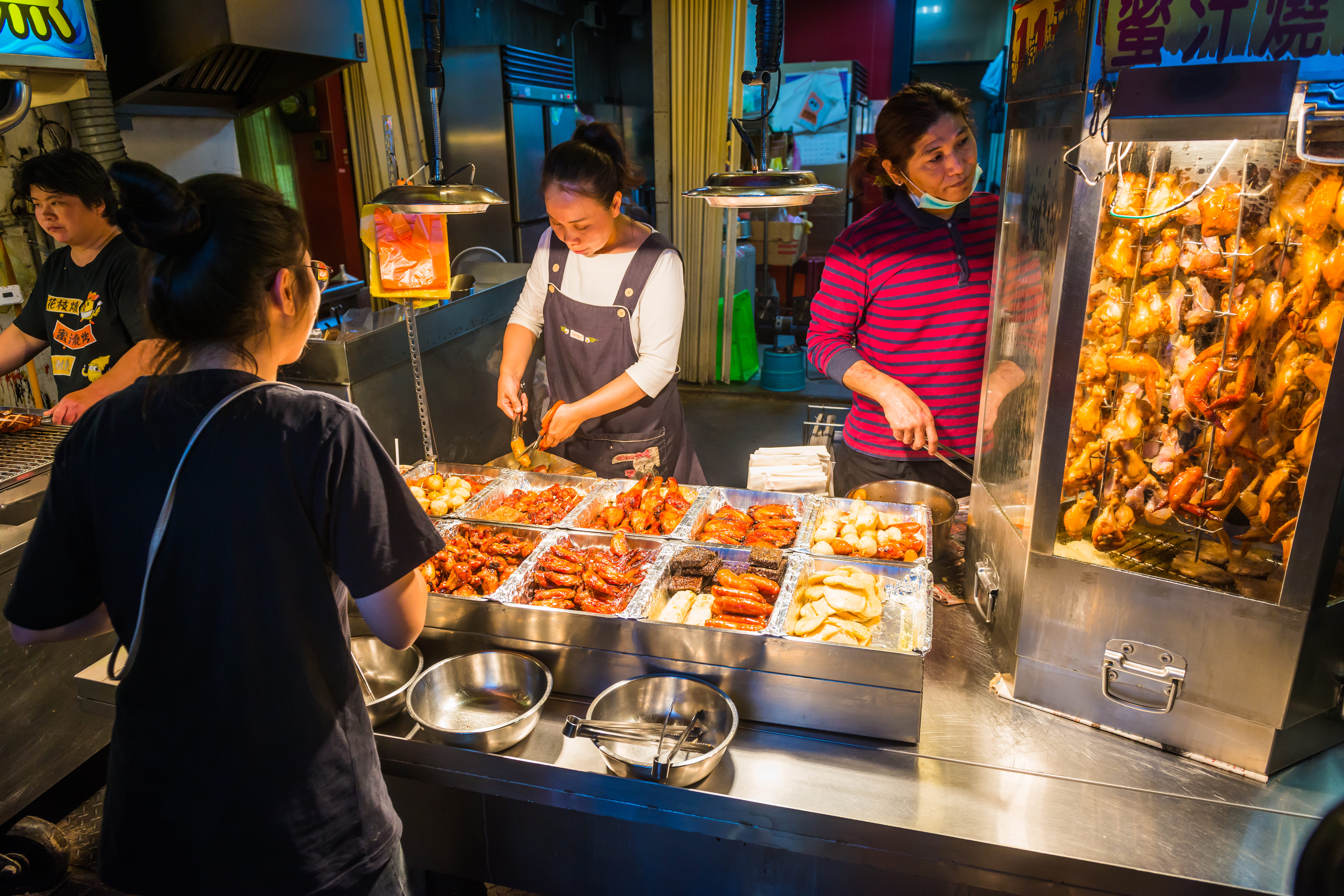
Taiwan's ubiquitous cafeteria-style eateries are a defining feature of the island's bento culture, offering home-style dishes from pan-fried fish and fried eggs to stir-fried greens and braised pork knuckles. (Image: iStock)


Taiwan's ubiquitous bento shops—self-serve cafeteria-style eateries—represent another defining feature of the island's bento culture. These establishments offer everything found in Taiwanese home cooking: pan-fried fish, fried eggs, stir-fried vegetables, braised pork knuckles, and more. A quick count reveals over thirty dishes, all priced by weight. Even solo diners can freely choose their favorites, assemble a custom bento to go, and enjoy it at home or wherever they please.

Japan has similar concepts—chains like Origin Bento and Hotto Motto where you can select side dishes—but compared to Taiwan's shops, the variety pales. Taiwan's abundance speaks for itself.

Taiwanese often lament, "Our bentos look so plain, with their single-color palette and haphazard arrangement," envying the meticulous aesthetics of Japanese bentos. But I want to say loudly: "They're completely different!

In recent years, numerous Taiwanese comfort food restaurants have earned Bib Gourmand recognition from the Michelin Guide. Bib Gourmand honors establishments offering exceptional value—restaurants featuring quality ingredients and careful preparation at reasonable prices. In Taiwan, the threshold is set at NT$1,000 or less for three delicious courses.

Several of my regular haunts have earned this distinction: Fu Ba Wang, famous for its springy pork knuckles; Acheng Goose, known for tender goose meat; Jijia Zhuang, a chicken specialist with over 50 years of history; Xiaopin Yachu, which serves until dawn; Sinchao Rice Shoppe, specializing in fried rice; and Mao Yuan, a venerable Taiwanese restaurant.

These Bib Gourmand establishments share common ground with Taiwan's bentos: all three elements of delicious, abundant, and affordable. In 2025, Taiwan's bentos range from NT$70 to NT$200. These qualities—delicious, abundant, affordable—embody precisely what earns Taiwanese cuisine Bib Gourmand recognition, and Taiwan's bento represents the ultimate expression of these virtues. Perhaps this explains why Taiwan's bentos captivate contemporary Japanese diners so thoroughly.


Did You Know: Taiwan Railway's Iconic Bento Generates NT$863 Million Annually

According to data released by Taiwan Railways, bento and merchandise sales reached NT$863 million in 2024, up 12.8% from the previous year. This record-breaking revenue exceeded the earnings of 400 publicly listed companies.

Taiwan Railways sells approximately 25,000 bentos daily and developed 36 new specialty bento varieties in 2024. Among these, the "Double Happiness Bento," launched in May 2024, generated over NT$1 million in sales monthly for five consecutive months. With such outstanding performance, Taiwan Railways' bento stands as the quintessential representative of Taiwan's bento culture.

Explore more
Aquaculture Shrimp: Once the Shrimp Kingdom, Now Beginning Chapter 2.0
Shrimp is Taiwan's beloved seafood. A 300-year-old publication, the Taiwan County Gazetteer, recorded: "Taiwan has several types of shrimp with whiskers longer than their bodies—those from the sea are large, those from streams are small..." describing how Taiwan offers both saltwater and freshwater shrimp for the table.
紅豆─紅豆生南國,多元甜蜜食
冬天來碗熱呼呼的紅豆湯圓、盛夏則端一份甜滋滋的蜜紅豆煉奶剉冰,是現在台灣的常民生活。但其實100多年前,台灣沒有紅豆、台灣人也不吃紅豆。
Sesame Oil—Black, White, and Fragrant Oils Serve Different Purposes
Sesame oil ranks among Taiwan's most common cooking oils. Known locally as huma (胡麻, literally "sesame"), sesame has ancient roots—cultivated in Egypt and Sudan over 4,000 years ago before traveling eastward along the Silk Road to China and eventually reaching Taiwan.