
'%20fill='%23a9976d'/%3e%3cpath%20id='Path_251'%20data-name='Path%20251'%20d='M8,35a1,1,0,0,1,1-1H23a1,1,0,0,1,0,2H9A1,1,0,0,1,8,35Z'%20transform='translate(-8%20-22)'%20fill='%23a9976d'/%3e%3cpath%20id='Path_252'%20data-name='Path%20252'%20d='M9,22a1,1,0,0,0,0,2h8a1,1,0,0,0,0-2Z'%20transform='translate(-8%20-16)'%20fill='%23a9976d'/%3e%3c/svg%3e)
'%20fill='%23a9976d'/%3e%3c/g%3e%3c/svg%3e)
小麥─第二大糧食穀物,自給率千分之三
主題探索
文化美食
分享
'%3e%3cg%20id='Ellipse_27'%20data-name='Ellipse%2027'%20transform='translate(813%20250)'%20fill='none'%20stroke='%23ccac89'%20stroke-width='1'%3e%3ccircle%20cx='16'%20cy='16'%20r='16'%20stroke='none'/%3e%3ccircle%20cx='16'%20cy='16'%20r='15.5'%20fill='none'/%3e%3c/g%3e%3cg%20id='facebook'%20transform='translate(824.105%20258.296)'%3e%3cpath%20id='Path_243'%20data-name='Path%20243'%20d='M8.894.111V2.556H7.441a1.361,1.361,0,0,0-1.074.333,1.534,1.534,0,0,0-.278,1v1.75H8.8L8.441,8.38H6.089v7.028H3.255V8.38H.894V5.639H3.255V3.62A3.582,3.582,0,0,1,4.218.949,3.5,3.5,0,0,1,6.783,0,15.317,15.317,0,0,1,8.894.111Z'%20transform='translate(0%200)'%20fill='%23ccac89'/%3e%3c/g%3e%3c/g%3e%3c/svg%3e)

'%3e%3cg%20id='Ellipse_29'%20data-name='Ellipse%2029'%20transform='translate(901%20250)'%20fill='none'%20stroke='%23ccac89'%20stroke-width='1'%3e%3ccircle%20cx='16'%20cy='16'%20r='16'%20stroke='none'/%3e%3ccircle%20cx='16'%20cy='16'%20r='15.5'%20fill='none'/%3e%3c/g%3e%3cg%20id='link-45deg'%20transform='translate(902.607%20253.105)'%3e%3cg%20id='Group_479'%20data-name='Group%20479'%20transform='translate(7.393%205.896)'%3e%3cpath%20id='Path_241'%20data-name='Path%20241'%20d='M10.246,17.821,8.507,19.56a3.8,3.8,0,0,0,5.378,5.378L16.2,22.62a3.8,3.8,0,0,0-1.05-6.12l-.743.743a1.27,1.27,0,0,0-.2.252,2.535,2.535,0,0,1,1.091,4.23L12.99,24.042A2.536,2.536,0,0,1,9.4,20.455l1.005-1a5.093,5.093,0,0,1-.162-1.631Z'%20transform='translate(-7.393%20-12.02)'%20fill='%23ccac89'/%3e%3cpath%20id='Path_242'%20data-name='Path%20242'%20d='M18.236,9.327a3.8,3.8,0,0,0,1.05,6.12l.982-.984a2.535,2.535,0,0,1-1.136-4.241L21.448,7.9a2.536,2.536,0,1,1,3.587,3.587l-1.005,1a5.1,5.1,0,0,1,.162,1.631l1.739-1.739A3.8,3.8,0,1,0,20.553,7.01Z'%20transform='translate(-13.011%20-5.896)'%20fill='%23ccac89'/%3e%3c/g%3e%3c/g%3e%3c/g%3e%3c/svg%3e)
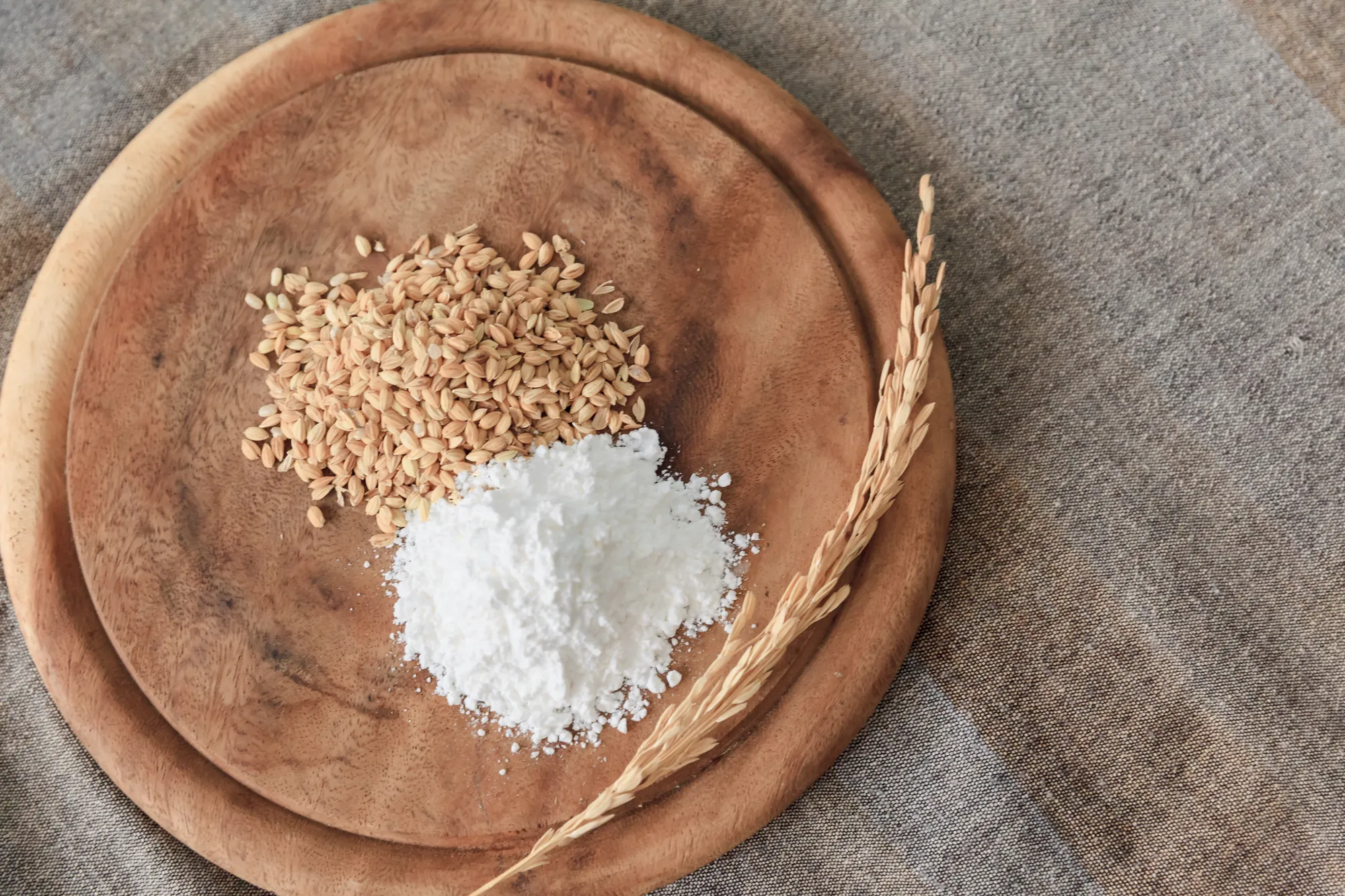
在只見稻田、幾乎見不到小麥田的台灣,麵粉卻是台灣民眾穀物糧食的第二名,因此麵粉原料小麥超過9成必須進口。根據2023年農業部統計,國產小麥年產量只有區區4000公噸,占全年用量約千分之三。
◤文.圖/看見台灣基金會編輯群
小
麥自給率最高曾達15%,但小農在寸土寸金的台灣種植小麥,價格根本無法跟機械種植農業國競爭,台灣食用麵粉,超過8成來自美國。
▋台灣小麥用來製造紹興酒、高粱酒
台南學甲栽種小麥已20多年,成為當地特色經濟作物,曾成就學甲「黃金傳奇」,與台中大雅、彰化大城成為國產小麥三大產區。然而產量年年減少中。故今日國產小麥僅少量種植,以契作的方式生產小麥,並以提供製作紹興酒、高粱酒為主要用途。
小麥源於中東,經過馴化後廣泛傳至歐洲等地,為溫帶長日照植物。台灣位於亞熱帶地區,看似並非小麥的理想生長環境,但最早於清領時期,即有先民攜小麥栽種之紀錄;日治時期時,日本政府則發展利用水稻收穫後的秋冬時節種麥的耕種方法,並曾種出品質較日本內地為佳的小麥。
1945年二戰結束後,國民政府延續日治時期以來之種麥思維的同時,亦大量接收美援小麥,且大力在台推廣麵食運動,自此由小麥磨粉加工所製成的各式中式麵食、西式麵包開始進入台灣家庭,逐漸成為台灣飲食文化的一環。
探索更多
米粉─古早時,喜慶宴客才吃得到
台灣的米粉源於中國福建惠安,應為渡台先民傳入,後於台灣中部發跡,其後逐漸區分為兩種形式:向東發展為南投埔里米粉,向北發展為新竹米粉,為台灣兩大著名產區。
小籠湯包─源自江南勝江南
麵食原流行於中國北方,然而往南方發展後,樣子便秀氣起來。江南吃食首重細巧,包子饅頭一旦過了長江,身形頓時顯得玲瓏。
漁港/漁市─海洋文化的灘頭堡
台灣四面環海,本島沿海加離島遍設漁港,是台灣海洋文化的灘頭堡。大型的第一類漁港有9個,地區型的第二類漁港有215個,澎湖縣有67個,全台第一。