
'%20fill='%23a9976d'/%3e%3cpath%20id='Path_251'%20data-name='Path%20251'%20d='M8,35a1,1,0,0,1,1-1H23a1,1,0,0,1,0,2H9A1,1,0,0,1,8,35Z'%20transform='translate(-8%20-22)'%20fill='%23a9976d'/%3e%3cpath%20id='Path_252'%20data-name='Path%20252'%20d='M9,22a1,1,0,0,0,0,2h8a1,1,0,0,0,0-2Z'%20transform='translate(-8%20-16)'%20fill='%23a9976d'/%3e%3c/svg%3e)
'%20fill='%23a9976d'/%3e%3c/g%3e%3c/svg%3e)
蜆(黃金蜆)─阿嬤的鹹蜊仔風靡海內外
時令探索
主題探索
夏
文化美食
分享
'%3e%3cg%20id='Ellipse_27'%20data-name='Ellipse%2027'%20transform='translate(813%20250)'%20fill='none'%20stroke='%23ccac89'%20stroke-width='1'%3e%3ccircle%20cx='16'%20cy='16'%20r='16'%20stroke='none'/%3e%3ccircle%20cx='16'%20cy='16'%20r='15.5'%20fill='none'/%3e%3c/g%3e%3cg%20id='facebook'%20transform='translate(824.105%20258.296)'%3e%3cpath%20id='Path_243'%20data-name='Path%20243'%20d='M8.894.111V2.556H7.441a1.361,1.361,0,0,0-1.074.333,1.534,1.534,0,0,0-.278,1v1.75H8.8L8.441,8.38H6.089v7.028H3.255V8.38H.894V5.639H3.255V3.62A3.582,3.582,0,0,1,4.218.949,3.5,3.5,0,0,1,6.783,0,15.317,15.317,0,0,1,8.894.111Z'%20transform='translate(0%200)'%20fill='%23ccac89'/%3e%3c/g%3e%3c/g%3e%3c/svg%3e)

'%3e%3cg%20id='Ellipse_29'%20data-name='Ellipse%2029'%20transform='translate(901%20250)'%20fill='none'%20stroke='%23ccac89'%20stroke-width='1'%3e%3ccircle%20cx='16'%20cy='16'%20r='16'%20stroke='none'/%3e%3ccircle%20cx='16'%20cy='16'%20r='15.5'%20fill='none'/%3e%3c/g%3e%3cg%20id='link-45deg'%20transform='translate(902.607%20253.105)'%3e%3cg%20id='Group_479'%20data-name='Group%20479'%20transform='translate(7.393%205.896)'%3e%3cpath%20id='Path_241'%20data-name='Path%20241'%20d='M10.246,17.821,8.507,19.56a3.8,3.8,0,0,0,5.378,5.378L16.2,22.62a3.8,3.8,0,0,0-1.05-6.12l-.743.743a1.27,1.27,0,0,0-.2.252,2.535,2.535,0,0,1,1.091,4.23L12.99,24.042A2.536,2.536,0,0,1,9.4,20.455l1.005-1a5.093,5.093,0,0,1-.162-1.631Z'%20transform='translate(-7.393%20-12.02)'%20fill='%23ccac89'/%3e%3cpath%20id='Path_242'%20data-name='Path%20242'%20d='M18.236,9.327a3.8,3.8,0,0,0,1.05,6.12l.982-.984a2.535,2.535,0,0,1-1.136-4.241L21.448,7.9a2.536,2.536,0,1,1,3.587,3.587l-1.005,1a5.1,5.1,0,0,1,.162,1.631l1.739-1.739A3.8,3.8,0,1,0,20.553,7.01Z'%20transform='translate(-13.011%20-5.896)'%20fill='%23ccac89'/%3e%3c/g%3e%3c/g%3e%3c/g%3e%3c/svg%3e)
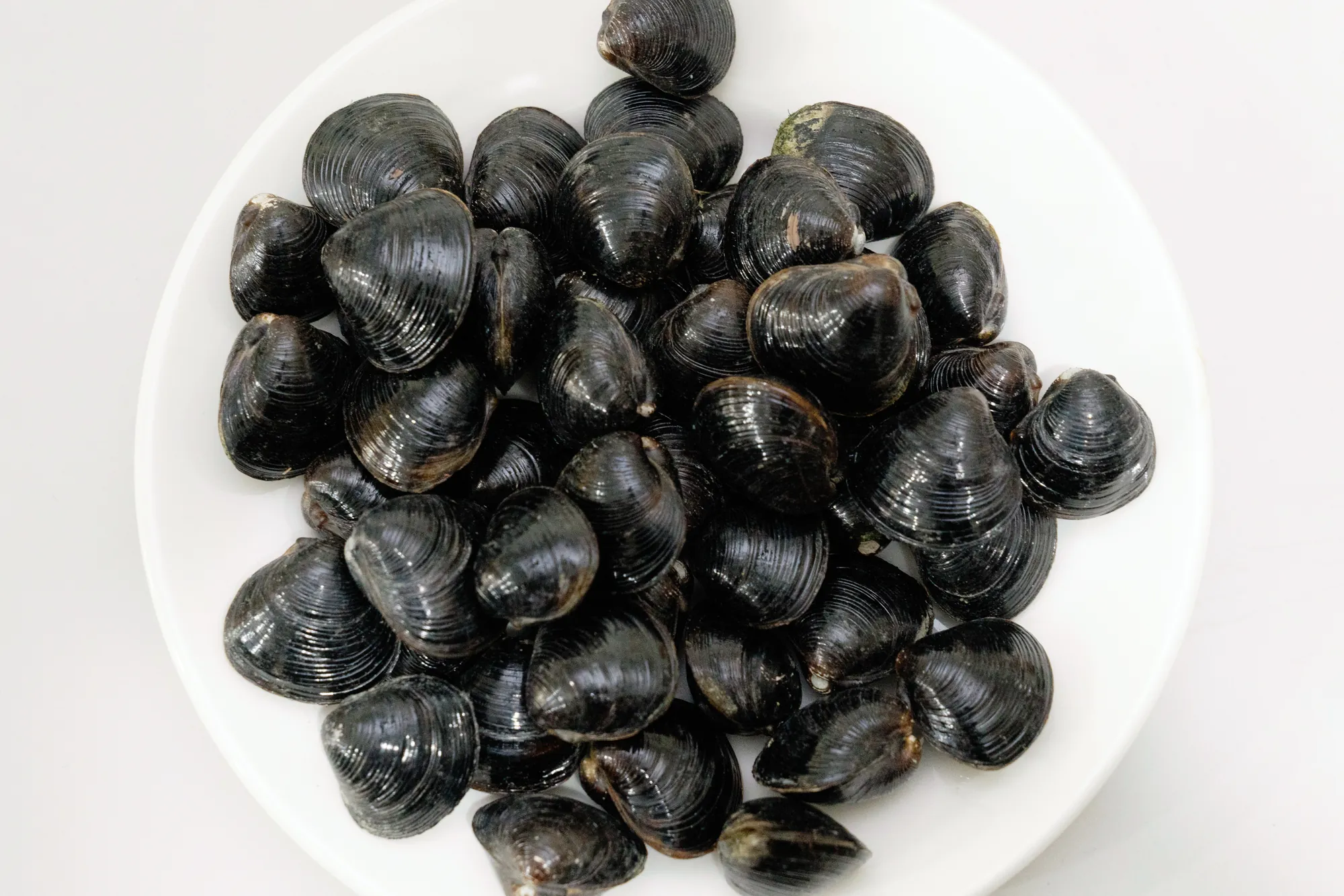
在台灣移民聚集的美國洛杉磯,有一間台菜料理餐廳,以「阿嬤的鹹蜊仔」風靡當地台裔移民。儘管小小一碟合台幣將近300元,仍然供不應求,時常秒殺。
◤文.圖/看見台灣基金會編輯群
鹹
蜊仔是夏天很對胃的下酒小菜,曾經有人這樣形容這道經典涼拌台菜:「有錢人開胃多吃幾道菜;窮人配鹹蜊仔多扒幾碗飯」,皆大歡喜。
「蜊仔」是台語,也就是「蜆」,主要生長在淡水的河川、溪溝或池塘、湖泊,需在水質佳、溫度變化小的環境生長。昔日台灣環境污染較少,乾淨溪水中常可見其蹤跡,很多人沒事就在溪裡摸拾蜊仔賣錢,俗諺云:「一兼二顧,摸蜊仔兼洗褲。」就是說在溪裡蹲著摸蜊仔,褲子浸在水裡,好像順便洗了褲子一樣,比喻一舉兩得。
▋黃金蜆養殖有成 蜆精、蜆錠開創台灣養殖貝類新「黃」金
台灣養蜆歷史始於1959年,主要集中在桃園、彰化、雲林等地,後來因為花蓮水質清澈,壽豐鄉成為台灣第二大蜆養殖基地。台灣蜆外殼近正三角形,腹緣呈圓弧狀,殼色多為黃褐色或黃綠色,也被稱為「黃金蜆」。
目前養在台灣西部,外殼顏色較黑的,是主要供應餐桌上的蜆;而養在東部,外殼顏色偏金黃的黃金蜆,於食補上被廠商宣傳為養肝、護肝的好食材,大多被業者加工成蜆精或蜆錠。除了台灣內需,也外銷東南亞、東北亞及歐美各國,開創台灣養殖貝類新「黃」金。
探索更多
洲南鹽場──百年鹽場重生點亮布袋小鎮
走進嘉義洲南鹽場,最吸引人目光的,除了映射陽光的晶瑩鹽花,還有每年10月熱鬧舉辦的「謝鹽祭」。對布袋居民而言,這不僅是一場慶典,更是與鹽田共生的日常延伸。
鹽酥雞─美味到讓肯德基也致敬?
炸雞,是備受歡迎的平民美食,每個國家都有各自的版本。肯德基能邁向國際,靠的是背後的「富爺爺」;唐揚雞,靠日式餐飲的流行;韓式炸雞,靠韓劇;而台式炸雞「鹽酥雞」獨缺靠山,出身夜市、白手起家,完全憑口味實力。
井仔腳瓦盤鹽田──「鄭氏諸葛」晒鹽革命見證者
井仔腳瓦盤鹽田不僅是熱門的打卡地標,更承載台灣鹽業的歷史與文化記憶。從明鄭時期的晒鹽革命,到如今國際永續獎項的常勝軍,井仔腳的故事,是台灣鹽業史中不可或缺的一章。(圖片來源:臺南市政府觀光旅遊局)