logo icon
Story of the Day
logo icon
search icon

The Cheese of the East: Taiwan's Centuries-Old Fermented Bean Curd

share
Facebook Share IconLine Share IconCopy Link Icon
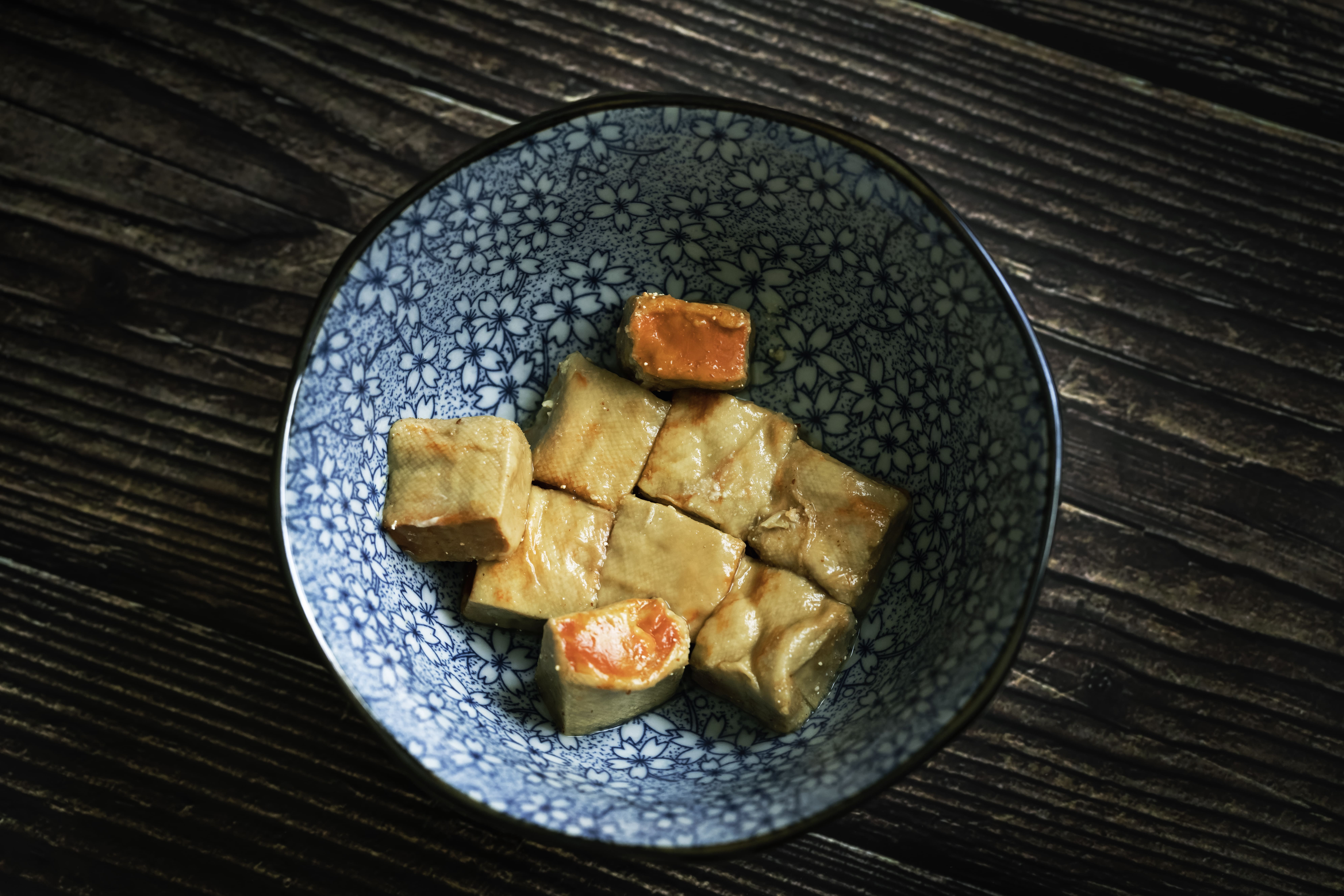
Walk into any traditional market or grocery store in Taiwan, and you'll find rows of glass jars filled with fermented tofu (doufu ru 豆腐乳) or bean curd—known as "the cheese of the East." This fermented delicacy is more than a condiment; it's a cultural vessel connecting community memories with everyday life. From the crimson red variety in military dependents' village kitchens to the pale white variety passed down through Hakka generations, each carries its own community story. (Photo source:iStock)

The Ming Dynasty encyclopedia Tiangong Kaiwu (or The Exploitation of the Works of Nature) describes the process: "Take good tofu, cut into inch-sized cubes, stack on reed mats, wait for yellow coating to form, sun-dry, then soak in clear wine and soy sauce." This passage reveals ancient China's sophisticated understanding of fermentation. The "yellow coating" refers to beneficial mold that forms on the tofu surface—the same koji fermentation principle used today. This technique marked a breakthrough in food preservation and flavor development.

Taiwanese Style vs. Military Village Style: Local Development

Taiwan's fermented tofu history reflects multicultural fusion. Early production inherited Hokkien and Hakka craftsmanship. During the Qing Dynasty, household workshops across the island used local ingredients to develop distinctive fermentation methods—with Hakka communities particularly emphasizing rice wine for enhanced flavor and preservation.

The Japanese colonial period brought systematization and scale. After 1895, Japanese authorities surveyed traditional industries; the Taiwan Industrial Survey Record documented production methods and distribution networks in detail. Production techniques improved and quality stabilized during these years.

After the war ended in 1949, Chinese immigrants brought diverse production techniques to Taiwan, particularly for red yeast fermented tofu. By the 1950s, Taipei's Dihua Street had become a fermented tofu production hub, with each producer developing distinctive specialties—yet traditional methods persisted in communities like those of the Hakka.

Among Taiwan's fermented tofu traditions, Hakka methods stand out for their distinctive approach. Cultural bureau surveys in Hsinchu County reveal that Hakka communities place particular emphasis on rice wine in their recipes—believing it enhances flavor and extends shelf life. Traditional Hakka villages produce fermented tofu in autumn and winter, when moderate temperatures create ideal fermentation conditions. The process involves cutting tofu into cubes, sun-drying them, fermenting with specially prepared glutinous rice koji, then seasoning with rice wine. This method remains visible today in Hakka communities throughout Miaoli and Hsinchu.

Beyond its culinary role, fermented tofu holds deep cultural significance for the Hakka. The Hakka Affairs Council notes that at traditional banquets, fermented tofu is served as an accompaniment to rice wine—a gesture of generous hospitality that transforms a simple condiment into an expression of community values.

Following the Flavors: A Fermented Tofu Journey

Hakka fermented tofu production demands meticulous attention. The process begins with tofu made from premium soybeans, cut into cubes and sun-dried—this initial step determines the final flavor. The New Taipei City Hakka Museum displays traditional bamboo drying racks that reveal how ancestors harnessed natural sunlight and air circulation to achieve optimal dryness.

Red yeast plays an indispensable role in the process. Hakka communities place particular emphasis on cultivating this ingredient; it not only gives fermented tofu its distinctive crimson hue but also develops deep umami notes. Antique ceramic jars displayed at the park still bear traces along their walls—evidence of fermentation wisdom refined over generations.

From museum displays to living tradition: In Pusin, Changhua County, Jiang's Fermented Bean Curd Culture Gallery demonstrates how this craft continues to evolve. The Jiang family story begins in 1908, when founder Jiang Yin-hsiang established the business using ancestral techniques. Four generations later, the family preserves traditional methods while incorporating modern processes.

The gallery's centerpiece, the "Traditional Production Area," reconstructs the complete workflow: tofu-making, sun-drying schedules, red yeast cultivation, and seasoning preservation. The "Time Gallery" traces the industry's evolution through packaging and equipment spanning decades—from early ceramic urns and glass jars to contemporary vacuum-sealed packages—showing how ancient wisdom adapts to modern demands.

A New Way to Enjoy Fermented Tofu: Pair It Like Cheese

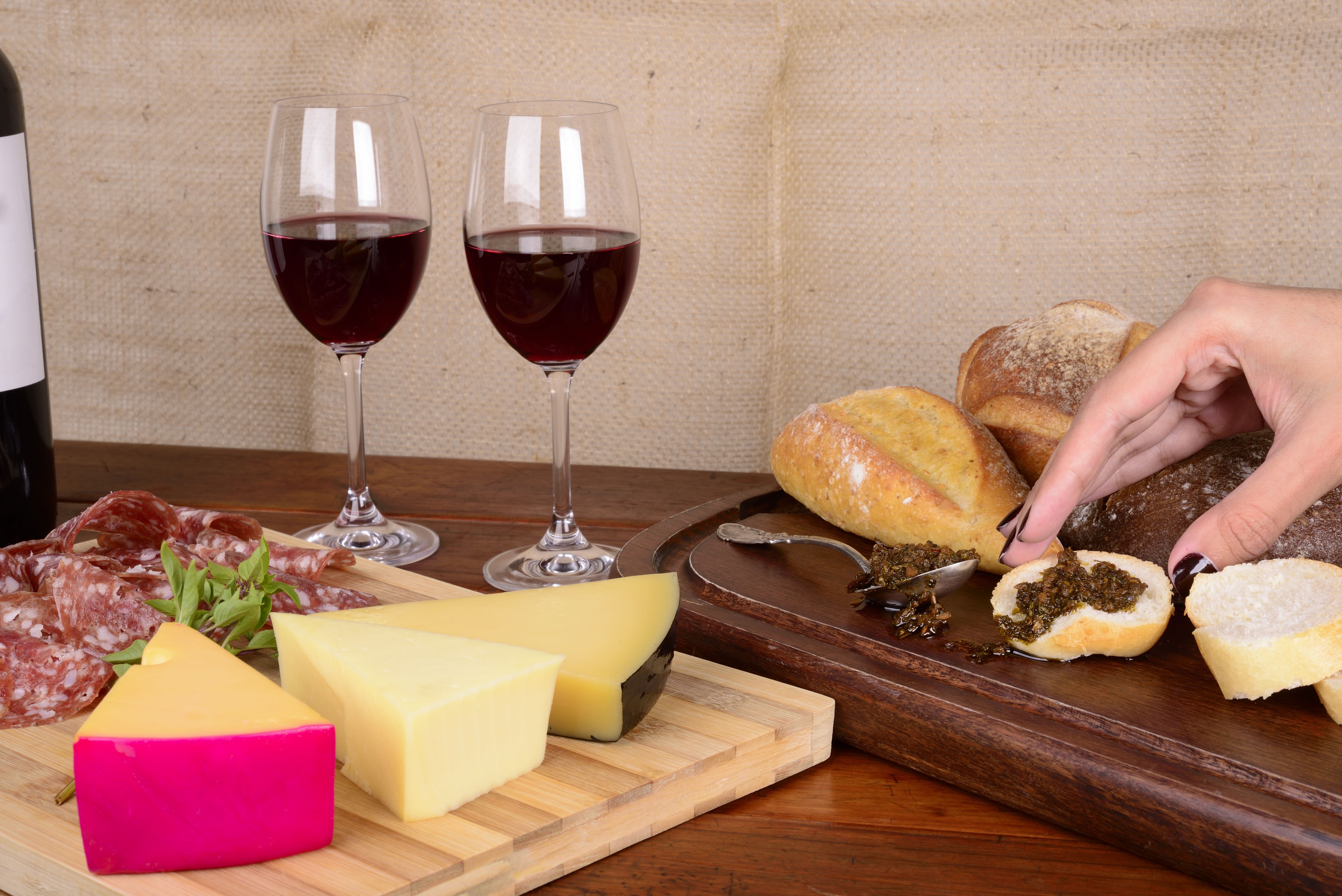
A refined charcuterie board featuring assorted cheeses, cured meats, fresh bread, and herb spreads accompanies two glasses of red wine—a perfect Mediterranean-style aperitivo experience

精緻美食拼盤與紅酒搭配:傳統義式冷盤組合,包含多種奶酪、風乾肉、新鮮麵包與香草醬,搭配兩杯紅酒,完美呈現地中海風味餐前開胃體驗
As wine pairing gains popularity, fermented tofu is poised to surprise diners just like cheese does. (Image: iStock)


The evolving culinary landscape has elevated fermented tofu beyond its traditional role as a simple congee accompaniment. Wine pairing—increasingly popular in contemporary dining—reveals fermented tofu's potential to create unexpected delights, much like aged cheese. Recent experiments pair fermented tofu with wine; one approach spreads red yeast fermented tofu on French baguette slices topped with finely minced parsley, creating an East-meets-West flavor experience.


🥢 Know Your Fermented Tofu

Fermented tofu is a traditional soy product made by fermenting tofu with mold cultures, then salt-curing and seasoning to create a creamy texture and robust flavor. It serves as both condiment and cooking ingredient.

◆  Production Process
Cubed tofu ferments until mold develops on the surface, then undergoes salt-curing and secondary fermentation. Seasonings like red yeast, chili, or rice wine are added before the mixture is sealed to age, developing deeper, more complex flavors.
◆  Varieties
Red fermented tofu, white fermented tofu, aromatic fermented tofu, sesame oil fermented tofu
◆  Serving Suggestions
Pairs with congee and steamed buns; seasons stir-fried vegetables, braised meats, and hot pot dipping sauces
◆  Nutritional Profile
Rich in protein, amino acids, and beneficial bacteria. Nutritionally dense but high in sodium—enjoy in moderation. This fermented food's distinctive flavor has made it beloved across Asian culinary traditions.

Explore more
洲南鹽場──百年鹽場重生點亮布袋小鎮
走進嘉義洲南鹽場,最吸引人目光的,除了映射陽光的晶瑩鹽花,還有每年10月熱鬧舉辦的「謝鹽祭」。對布袋居民而言,這不僅是一場慶典,更是與鹽田共生的日常延伸。
Bananas: Made in Taiwan Bananas Enter Tokyo Olympic Athletes' Village
At the 2021 Tokyo Olympics, Taiwanese bananas appeared among the athletes' village provisions—marking the first time Made in Taiwan bananas successfully entered the Olympic arena. The Council of Agriculture even held a virtual press conference titled "Making Friends with the World Through Bananas, Cheering for Olympic Athletes," providing a much-needed boost to banana farmers across Taiwan.
Bluefin Tuna's Hometown: Donggang──Experts' Checklist: Body, Belly, Scales
Surrounded by ocean on all sides, Taiwan enjoys a rich bounty of seafood throughout the year, nourishing its people with endless delights. Among the sources of these coastal treasures is Pingtung County's Donggang Township in, the most vibrant and bustling fishing port on Taiwan's southern Hengchun Peninsula. Donggang sits southeast of the mouth of the Gaoping River, gazing across the waters toward scenic Liuqiu island. (Photo source: Chen Han-yuan)