'%20fill='%23a9976d'/%3e%3cpath%20id='Path_251'%20data-name='Path%20251'%20d='M8,35a1,1,0,0,1,1-1H23a1,1,0,0,1,0,2H9A1,1,0,0,1,8,35Z'%20transform='translate(-8%20-22)'%20fill='%23a9976d'/%3e%3cpath%20id='Path_252'%20data-name='Path%20252'%20d='M9,22a1,1,0,0,0,0,2h8a1,1,0,0,0,0-2Z'%20transform='translate(-8%20-16)'%20fill='%23a9976d'/%3e%3c/svg%3e)
'%20fill='%23a9976d'/%3e%3c/g%3e%3c/svg%3e)
'%3e%3cg%20id='Ellipse_27'%20data-name='Ellipse%2027'%20transform='translate(813%20250)'%20fill='none'%20stroke='%23ccac89'%20stroke-width='1'%3e%3ccircle%20cx='16'%20cy='16'%20r='16'%20stroke='none'/%3e%3ccircle%20cx='16'%20cy='16'%20r='15.5'%20fill='none'/%3e%3c/g%3e%3cg%20id='facebook'%20transform='translate(824.105%20258.296)'%3e%3cpath%20id='Path_243'%20data-name='Path%20243'%20d='M8.894.111V2.556H7.441a1.361,1.361,0,0,0-1.074.333,1.534,1.534,0,0,0-.278,1v1.75H8.8L8.441,8.38H6.089v7.028H3.255V8.38H.894V5.639H3.255V3.62A3.582,3.582,0,0,1,4.218.949,3.5,3.5,0,0,1,6.783,0,15.317,15.317,0,0,1,8.894.111Z'%20transform='translate(0%200)'%20fill='%23ccac89'/%3e%3c/g%3e%3c/g%3e%3c/svg%3e)

'%3e%3cg%20id='Ellipse_29'%20data-name='Ellipse%2029'%20transform='translate(901%20250)'%20fill='none'%20stroke='%23ccac89'%20stroke-width='1'%3e%3ccircle%20cx='16'%20cy='16'%20r='16'%20stroke='none'/%3e%3ccircle%20cx='16'%20cy='16'%20r='15.5'%20fill='none'/%3e%3c/g%3e%3cg%20id='link-45deg'%20transform='translate(902.607%20253.105)'%3e%3cg%20id='Group_479'%20data-name='Group%20479'%20transform='translate(7.393%205.896)'%3e%3cpath%20id='Path_241'%20data-name='Path%20241'%20d='M10.246,17.821,8.507,19.56a3.8,3.8,0,0,0,5.378,5.378L16.2,22.62a3.8,3.8,0,0,0-1.05-6.12l-.743.743a1.27,1.27,0,0,0-.2.252,2.535,2.535,0,0,1,1.091,4.23L12.99,24.042A2.536,2.536,0,0,1,9.4,20.455l1.005-1a5.093,5.093,0,0,1-.162-1.631Z'%20transform='translate(-7.393%20-12.02)'%20fill='%23ccac89'/%3e%3cpath%20id='Path_242'%20data-name='Path%20242'%20d='M18.236,9.327a3.8,3.8,0,0,0,1.05,6.12l.982-.984a2.535,2.535,0,0,1-1.136-4.241L21.448,7.9a2.536,2.536,0,1,1,3.587,3.587l-1.005,1a5.1,5.1,0,0,1,.162,1.631l1.739-1.739A3.8,3.8,0,1,0,20.553,7.01Z'%20transform='translate(-13.011%20-5.896)'%20fill='%23ccac89'/%3e%3c/g%3e%3c/g%3e%3c/g%3e%3c/svg%3e)
◤文/特約作家一Melody
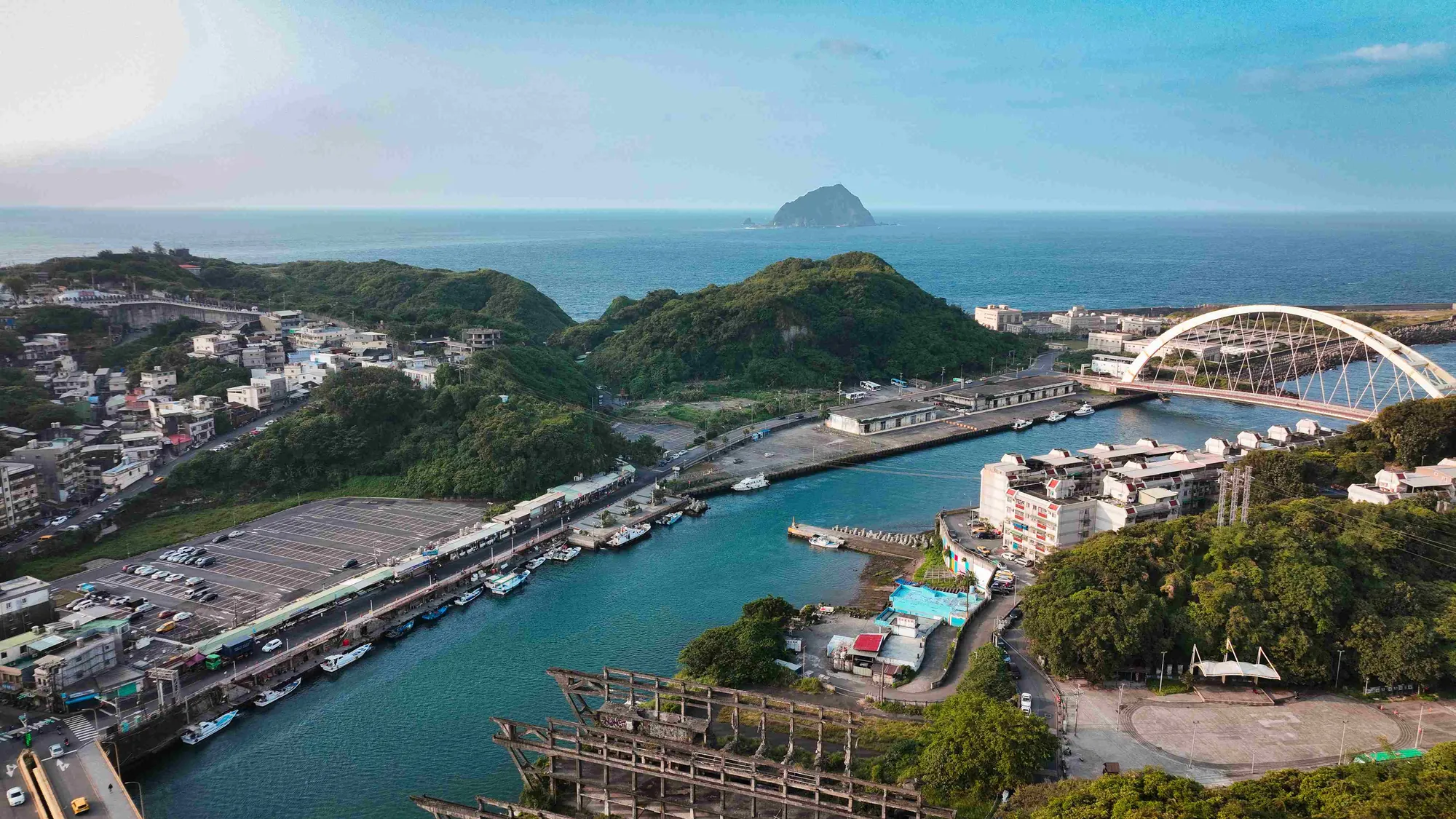
日本有築地,法國有馬賽,來四面環海的台灣一定要逛海港!除了夜市和老街,人氣漁港常被外國人納入台灣必訪清單。例如到野柳與龜吼漁港吃野生萬里蟹、東石漁港與外海「外傘頂洲」的肥美蚵仔等等。
吃魚也要吃節氣,春天的鰆魚、黑鯧、午仔魚;夏季的小卷、赤鯮、竹莢魚;秋天的白帶、剝皮、紅魽;冬季的烏魚、白鯧、嘉鱲,旬魚鱻味深深嵌入台灣人的飯桌。
海洋並非無限資源
食魚食漁,看似根植在台灣的生活教育,但多數仍停留在「怎麼吃魚」的階段,而非如食農教育一般探討更深一層的產業串連與保育行動。許多中、小學的營養午餐甚至極少提供海鮮,原因是擔心魚刺可能造成學生誤食的風險。
但若從小在生活中不吃魚、不認識魚、不了解魚的營養價值,日後可能就不會珍惜魚、進而多關心海洋議題。
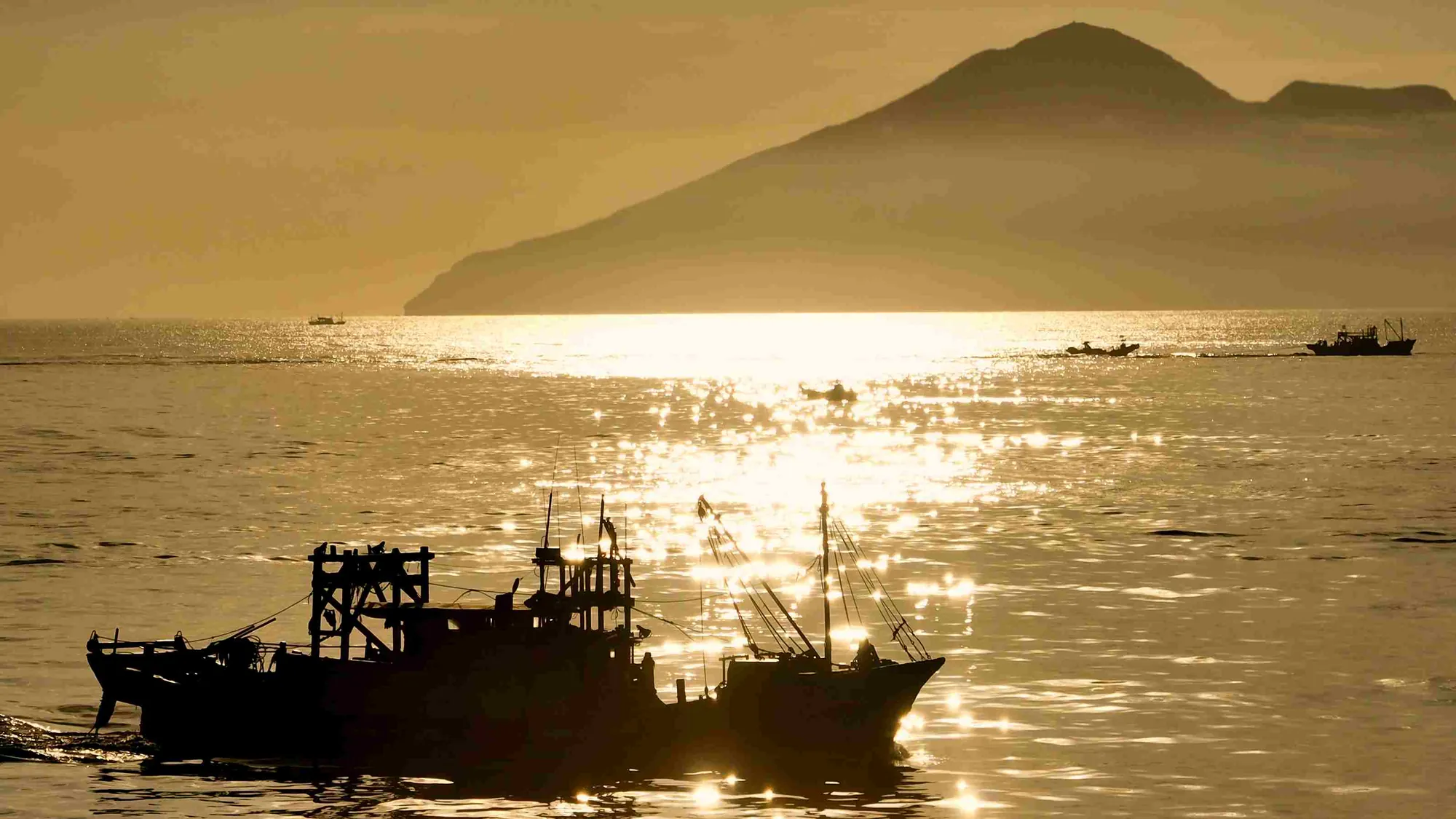
深藍寶庫看似取之不盡、用之不竭,但海洋並不是無限的資源。綜觀全球,惡劣的漁業捕撈方式如流網、炸藥、氰化物和底拖網等,都對海洋生態造成巨大破壞,導致海洋生物多樣性迅速下降。
全球化的運輸也使得外來物種通過非自然的方式擴散,成為入侵種,對當地生態系統造成威脅。更重要的是,80%以上的海洋污染來自陸地,包括石油、肥料、垃圾和有毒化學物質,這些污染物對海洋環境的恢復造成了長期的影響。
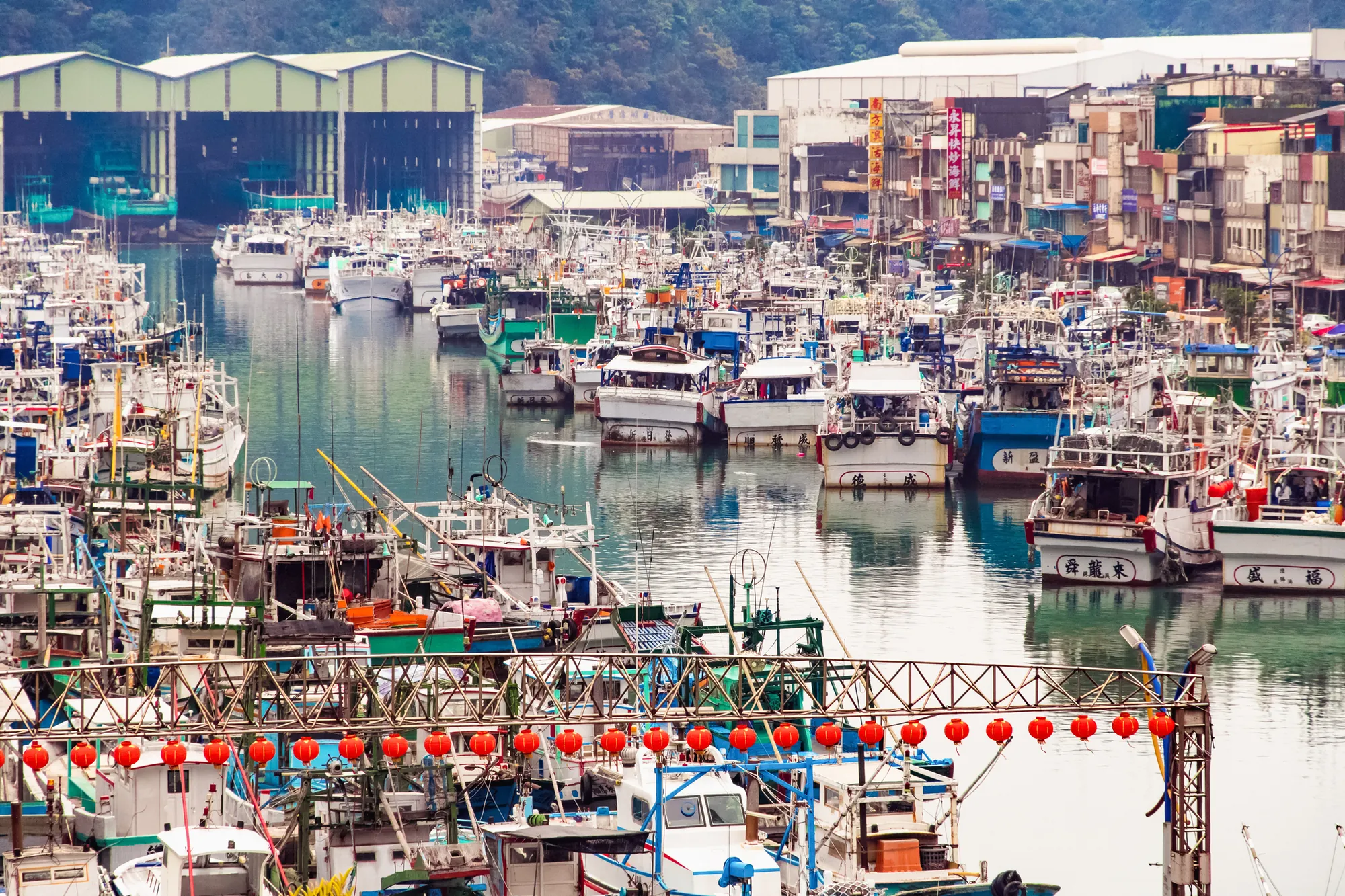
而早在2006年,科學期刊《Science》更提出警告,如果繼續過度捕撈與破壞生態,所有大型魚類將在這世代徹底消失,野生海鮮只能吃到2048年為止。
到傳統市場挑魚——愈吃愈永續
東非坦尚尼亞北方的奧杜瓦伊峽谷(Olduvai Gorge)曾經發現180萬年前的魚骨骸,被認為是人類開始利用海洋資源的證據。
1974年,全球海洋有高達90%的永續漁業資源,但從80年代開始卻逐步下降,慢慢被捕撈漁業、飛快成長的養殖漁業取代,至今已超過8000萬噸以滿足全球魚類消費量。
這種全球性的海洋資源危機也影響著台灣。身為四面環海的島國,台灣的漁業資源同樣面臨了嚴峻的挑戰。台灣近海漁業的產量這30年來被砍了一半,市面上的海鮮高達70%來自進口。
意識到事態嚴重,台灣近年也積極推動永續漁業。例如台南七股的「股份魚鄉」、花蓮的「洄遊吧」,正推行食魚教育,慢慢讓「懂吃永續魚」成為一種潮流習慣。
其中,「股份魚鄉」以友善養殖為基礎,推廣養殖漁業的食魚教育。不僅設計魚塭體驗活動,還研發教育教案,同時販售在地小漁品牌水產,致力於凝聚青年社群投入地方創新,為永續漁業注入新的活力。
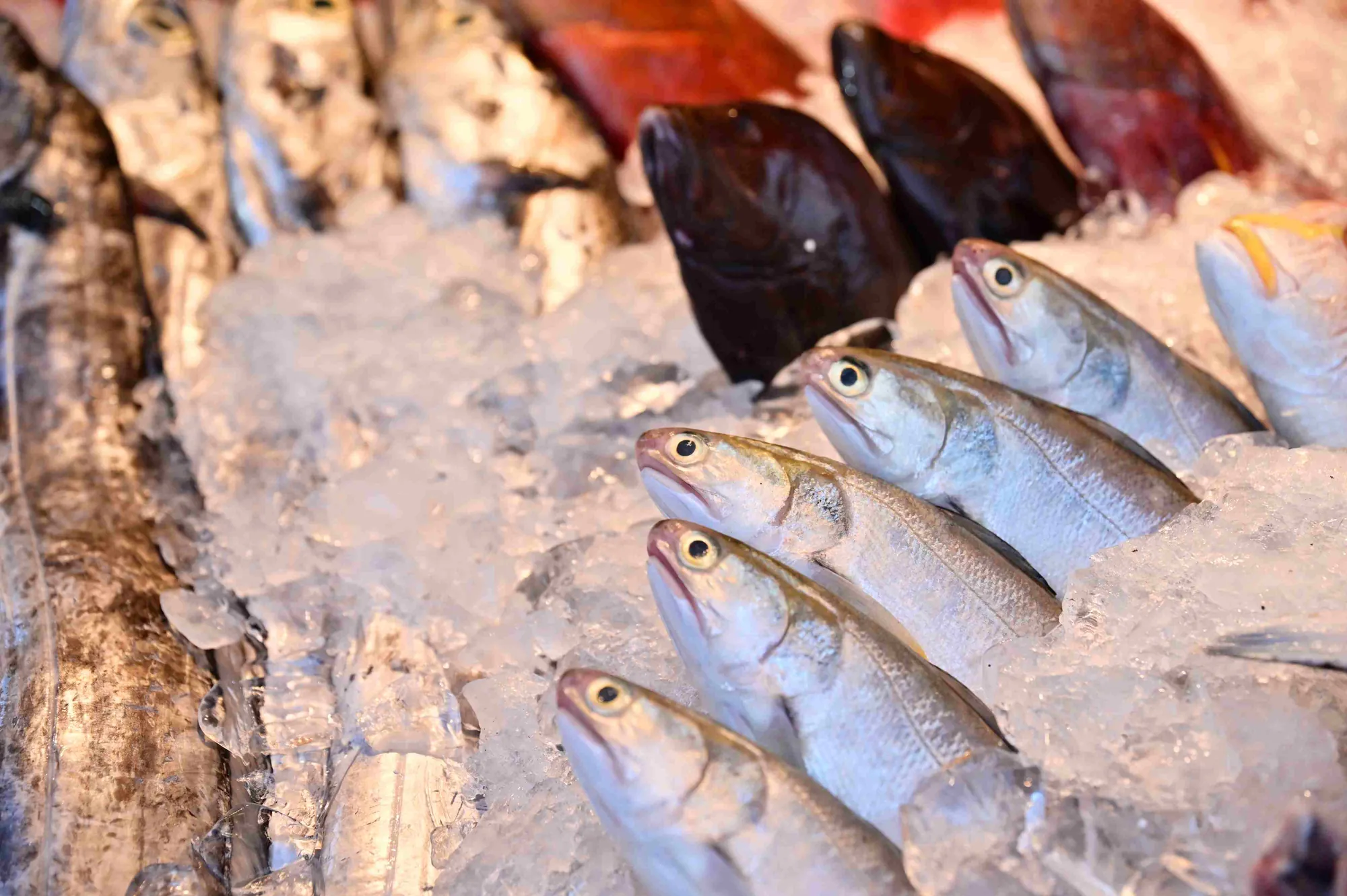
傳統市場是日常生活中重要的食材來源,選擇永續魚種可以有效減少對海洋生態的破壞——鮭魚少吃,鮭魚的飼料來自魚粉或下雜魚,在飼養過程中會消耗大量海洋資源;藍鰭鮪魚、大目鮪、長鰭鮪、黃鰭鮪已是瀕危物種;竹莢魚可多吃,此「洄游性魚類」以圍網、扒網捕撈,不過度影響河床與生態環境——想愈吃愈永續,應多選購魚身為銀白、灰色的大洋洄游性魚種,避免挑選色彩鮮豔、生活在珊瑚礁的魚種。此外,應優先選購本地魚貨,積極減少進口造成的能源、資源浪費。
邁向2050,透過食魚教育攜手守護海洋
中研院在這十多年來持續監測,發現台灣可捕撈魚種從147種降到只剩37種,2020年台灣發生史上最大規模珊瑚白化事件,全台有3到4成珊瑚死亡仍歷歷在目,為了阻止2050年將無魚可吃的預言,海洋保育迫在眉睫,透過學校教育、社區活動以及媒體宣傳,可以喚起更多人對海洋保護的關注。