
'%20fill='%23a9976d'/%3e%3cpath%20id='Path_251'%20data-name='Path%20251'%20d='M8,35a1,1,0,0,1,1-1H23a1,1,0,0,1,0,2H9A1,1,0,0,1,8,35Z'%20transform='translate(-8%20-22)'%20fill='%23a9976d'/%3e%3cpath%20id='Path_252'%20data-name='Path%20252'%20d='M9,22a1,1,0,0,0,0,2h8a1,1,0,0,0,0-2Z'%20transform='translate(-8%20-16)'%20fill='%23a9976d'/%3e%3c/svg%3e)
'%20fill='%23a9976d'/%3e%3c/g%3e%3c/svg%3e)
'%3e%3cg%20id='Ellipse_27'%20data-name='Ellipse%2027'%20transform='translate(813%20250)'%20fill='none'%20stroke='%23ccac89'%20stroke-width='1'%3e%3ccircle%20cx='16'%20cy='16'%20r='16'%20stroke='none'/%3e%3ccircle%20cx='16'%20cy='16'%20r='15.5'%20fill='none'/%3e%3c/g%3e%3cg%20id='facebook'%20transform='translate(824.105%20258.296)'%3e%3cpath%20id='Path_243'%20data-name='Path%20243'%20d='M8.894.111V2.556H7.441a1.361,1.361,0,0,0-1.074.333,1.534,1.534,0,0,0-.278,1v1.75H8.8L8.441,8.38H6.089v7.028H3.255V8.38H.894V5.639H3.255V3.62A3.582,3.582,0,0,1,4.218.949,3.5,3.5,0,0,1,6.783,0,15.317,15.317,0,0,1,8.894.111Z'%20transform='translate(0%200)'%20fill='%23ccac89'/%3e%3c/g%3e%3c/g%3e%3c/svg%3e)

'%3e%3cg%20id='Ellipse_29'%20data-name='Ellipse%2029'%20transform='translate(901%20250)'%20fill='none'%20stroke='%23ccac89'%20stroke-width='1'%3e%3ccircle%20cx='16'%20cy='16'%20r='16'%20stroke='none'/%3e%3ccircle%20cx='16'%20cy='16'%20r='15.5'%20fill='none'/%3e%3c/g%3e%3cg%20id='link-45deg'%20transform='translate(902.607%20253.105)'%3e%3cg%20id='Group_479'%20data-name='Group%20479'%20transform='translate(7.393%205.896)'%3e%3cpath%20id='Path_241'%20data-name='Path%20241'%20d='M10.246,17.821,8.507,19.56a3.8,3.8,0,0,0,5.378,5.378L16.2,22.62a3.8,3.8,0,0,0-1.05-6.12l-.743.743a1.27,1.27,0,0,0-.2.252,2.535,2.535,0,0,1,1.091,4.23L12.99,24.042A2.536,2.536,0,0,1,9.4,20.455l1.005-1a5.093,5.093,0,0,1-.162-1.631Z'%20transform='translate(-7.393%20-12.02)'%20fill='%23ccac89'/%3e%3cpath%20id='Path_242'%20data-name='Path%20242'%20d='M18.236,9.327a3.8,3.8,0,0,0,1.05,6.12l.982-.984a2.535,2.535,0,0,1-1.136-4.241L21.448,7.9a2.536,2.536,0,1,1,3.587,3.587l-1.005,1a5.1,5.1,0,0,1,.162,1.631l1.739-1.739A3.8,3.8,0,1,0,20.553,7.01Z'%20transform='translate(-13.011%20-5.896)'%20fill='%23ccac89'/%3e%3c/g%3e%3c/g%3e%3c/g%3e%3c/svg%3e)
◤文/日本資深媒體人一野島剛
對日本人來說,台灣的熱炒店充滿謎團。首先,最令人困惑的是點飲料的方式。在日本,如果顧客擅自從店家的冰箱拿取啤酒,這種「暴行」輕則會被嚴厲警告,運氣不好的話,店家甚至可能報警處理。然而,在台灣的熱炒店裡,顧客們毫不猶豫地像在自己家一樣直奔冰箱,拿出啤酒或烏梅汁,自行開瓶倒進台灣啤酒專用的小杯子裡,痛快地喝了起來。
143毫升的啤酒杯之謎
稍微岔開話題,台灣的啤酒杯容量是143毫升,一瓶啤酒大約可以倒成六杯。為什麼會採用這種尺寸呢?這是因為台灣在1940年的戰爭時期,由於原料短缺導致啤酒產量驟減,為了讓有限的啤酒能讓更多人分享,才設計了這種小杯子。
其實用小杯子喝啤酒是相當合理的,因為啤酒一旦倒入杯中,風味就會快速流失。在日本,喝瓶裝啤酒時,只在杯中倒入一半被認為是「行家」的做法。台灣啤酒的小杯子正好有助於品嘗美味。這正是日本諺語「瓢箪から駒」(意指從葫蘆裡跑出了馬,形容出現意想不到、無心插柳柳成蔭的事情)的最佳寫照。我懷疑,現在台灣的小杯子之所以依然深受歡迎,可能就是因為這種品味上的合理性。
接下來令人困惑的是海鮮點餐方式,日本人在這個部分會有語言障礙。日本人對魚類相當了解,所以大致能認出海鮮櫃裡陳列的生鮮魚類。由於地理位置都在太平洋區域,台灣捕獲的蝦、蟹、魷魚、魚類、貝類等,大多是在日本魚店常見的品種。
不過,日本和台灣的烹調方法有很大的差異。在日本,魚的料理方式不外乎生魚片、煮或烤。台灣較少吃生魚片,基本上是以蒸、煎、烤的方式料理。蒸、煎在日本並非主要烹調方式,只有烤的方式是相同的。因此,用外語點餐本身就很困難,英語或日語基本上也不通用。
即便如此,一旦克服這些障礙進入熱炒的世界,那裡對日本人來說就是天堂。
最能代表台灣的,不是故宮,是熱炒!
首先是便宜。台灣的熱炒一道菜100元至150元,價格相當合理。最近台灣物價上漲了,日本人在台灣吃飯,以前是「便宜又好吃」,最近則變成「不算便宜,但很好吃」。不過,物價上漲的影響在熱炒店似乎還是有限,現在仍然可以用100元吃到一道菜。四、五個人吃飯,包含酒錢在內大約兩、三千元就能搞定。
有些食材如果不是在熱炒店,還真不容易吃到,特別是青菜類,熱炒店最拿手。山蘇、水蓮、過貓這類菜,比起一般餐廳,在熱炒店反而更容易吃到。另外,從春天到秋天,竹筍片是絕對不能錯過的,沾著有點甜的台式美乃滋來吃,我甚至會特地為了這個去吃熱炒。
說到海鮮,能吃到各種貝類也是一大特色,貝類可以炒也可以煮湯。另外,因為我很喜歡牡蠣,去熱炒店時總是忍不住點蒜泥牡蠣、酥炸牡蠣、牡蠣湯等,結果變成了一桌牡蠣全餐。談到海鮮料理,身為日本人的我很喜歡炭烤,一般高級海鮮餐廳較少有炭烤,但熱炒店卻願意用炭火幫你烤魚。而且到了冬天還能吃到各種火鍋,用內臓做的五更腸旺更是絕品,讓人想不停喝啤酒。
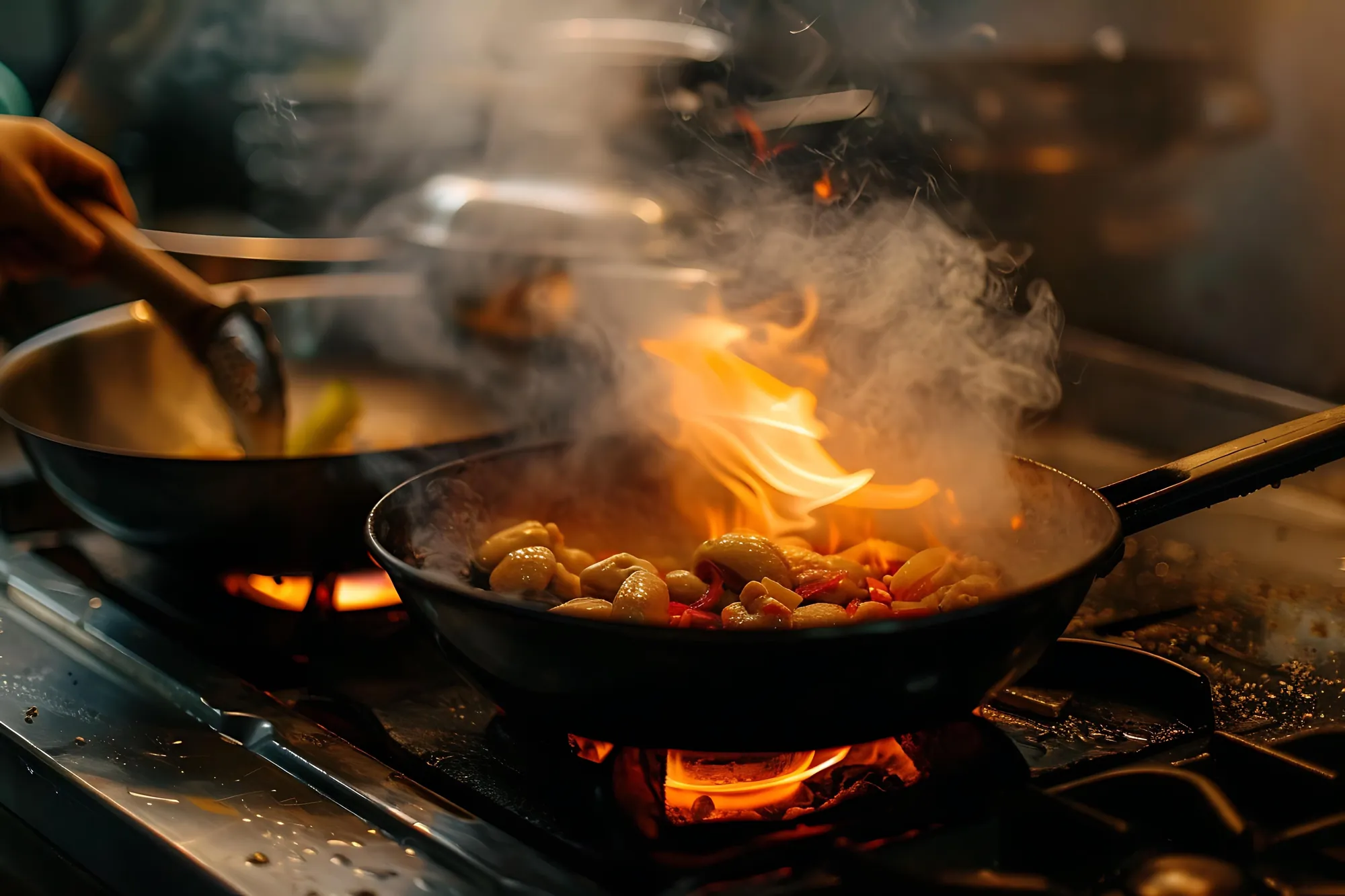
熱炒價格實惠、氣氛輕鬆熱鬧又美味,這不就是台灣的縮影嗎?我認為最能代表台灣的,與其說是充滿藝術氣息的故宮,或是精緻美味的小籠包,不如說是熱炒。我最近就越來越迷熱炒了。
誰說一定要揪團?一人吃也很滿足
當然,熱炒標準的吃法是至少五、六個人圍著圓桌熱鬧用餐。不過,其實我也會一個人去吃。我來台北時工作總是排得很滿,常常要到晚上9點或10點才能空下來。台灣的餐廳跟日本不同,都關得很早,能在這個時段吃到東西的熱炒店,就成了值得感恩的存在,對我來說,熱炒就是台灣版的深夜食堂。
日本的深夜食堂就是居酒屋,通常都是一個人去。說到「一個人吃熱炒」可能會讓人覺得奇怪,但一個人也是有點餐方式的。一開始先點醬油醃蛤蜊(鹹蜆仔)和台灣香腸,再來點炒海瓜子和小尾清蒸魚就能吃飽了。50歲之後,晚餐盡量不點主食,喝著台灣的18天啤酒,用小杯子喝完一瓶就該回家了。晚上9點以後,台灣客人比起吃東西更專注於喝酒聊天,所以菜很快就上來了。熱炒店烹調速度快,一個到一個半小時就能吃完。
我帶日本大學生來台灣上課時,停留期間一定會帶他們去吃一次熱炒,學生們總是非常開心。看來對學生來說,熱炒確實是最能感受「台灣」的地方。在日本出版的台灣旅遊指南不知為何都很少提到熱炒店,我覺得應該多宣傳才對。