
'%20fill='%23a9976d'/%3e%3cpath%20id='Path_251'%20data-name='Path%20251'%20d='M8,35a1,1,0,0,1,1-1H23a1,1,0,0,1,0,2H9A1,1,0,0,1,8,35Z'%20transform='translate(-8%20-22)'%20fill='%23a9976d'/%3e%3cpath%20id='Path_252'%20data-name='Path%20252'%20d='M9,22a1,1,0,0,0,0,2h8a1,1,0,0,0,0-2Z'%20transform='translate(-8%20-16)'%20fill='%23a9976d'/%3e%3c/svg%3e)
'%20fill='%23a9976d'/%3e%3c/g%3e%3c/svg%3e)
'%3e%3cg%20id='Ellipse_27'%20data-name='Ellipse%2027'%20transform='translate(813%20250)'%20fill='none'%20stroke='%23ccac89'%20stroke-width='1'%3e%3ccircle%20cx='16'%20cy='16'%20r='16'%20stroke='none'/%3e%3ccircle%20cx='16'%20cy='16'%20r='15.5'%20fill='none'/%3e%3c/g%3e%3cg%20id='facebook'%20transform='translate(824.105%20258.296)'%3e%3cpath%20id='Path_243'%20data-name='Path%20243'%20d='M8.894.111V2.556H7.441a1.361,1.361,0,0,0-1.074.333,1.534,1.534,0,0,0-.278,1v1.75H8.8L8.441,8.38H6.089v7.028H3.255V8.38H.894V5.639H3.255V3.62A3.582,3.582,0,0,1,4.218.949,3.5,3.5,0,0,1,6.783,0,15.317,15.317,0,0,1,8.894.111Z'%20transform='translate(0%200)'%20fill='%23ccac89'/%3e%3c/g%3e%3c/g%3e%3c/svg%3e)

'%3e%3cg%20id='Ellipse_29'%20data-name='Ellipse%2029'%20transform='translate(901%20250)'%20fill='none'%20stroke='%23ccac89'%20stroke-width='1'%3e%3ccircle%20cx='16'%20cy='16'%20r='16'%20stroke='none'/%3e%3ccircle%20cx='16'%20cy='16'%20r='15.5'%20fill='none'/%3e%3c/g%3e%3cg%20id='link-45deg'%20transform='translate(902.607%20253.105)'%3e%3cg%20id='Group_479'%20data-name='Group%20479'%20transform='translate(7.393%205.896)'%3e%3cpath%20id='Path_241'%20data-name='Path%20241'%20d='M10.246,17.821,8.507,19.56a3.8,3.8,0,0,0,5.378,5.378L16.2,22.62a3.8,3.8,0,0,0-1.05-6.12l-.743.743a1.27,1.27,0,0,0-.2.252,2.535,2.535,0,0,1,1.091,4.23L12.99,24.042A2.536,2.536,0,0,1,9.4,20.455l1.005-1a5.093,5.093,0,0,1-.162-1.631Z'%20transform='translate(-7.393%20-12.02)'%20fill='%23ccac89'/%3e%3cpath%20id='Path_242'%20data-name='Path%20242'%20d='M18.236,9.327a3.8,3.8,0,0,0,1.05,6.12l.982-.984a2.535,2.535,0,0,1-1.136-4.241L21.448,7.9a2.536,2.536,0,1,1,3.587,3.587l-1.005,1a5.1,5.1,0,0,1,.162,1.631l1.739-1.739A3.8,3.8,0,1,0,20.553,7.01Z'%20transform='translate(-13.011%20-5.896)'%20fill='%23ccac89'/%3e%3c/g%3e%3c/g%3e%3c/g%3e%3c/svg%3e)
◤文/看見台灣基金會編輯群
李安於2012年執導的電影《少年Pi的奇幻漂流》(以下簡稱《少年Pi》),上映後獲得全球影迷好評,不僅被《時代》雜誌評為年度十大佳片之一,更囊括第85屆奧斯卡金像獎最佳導演、攝影、配樂與視覺效果四項大獎。這是李安繼《斷背山》榮獲奧斯卡最佳導演獎後,再次奪得此一殊榮,成為躍上全球舞台的台灣之光。
電影描述少年Pi全家人搭乘日本貨船在海上遭遇了暴風雨,全船人員不幸都遇難,只有少年Pi與斑馬、鬣狗、紅毛猩猩幸運存活下來,最後則是他跟一隻孟加拉虎(理查.帕克)在海上共存的故事。
從電影鏡頭延伸至東港漁業循環
電影開場以如鏡般平靜的海面鋪陳氛圍,其後戲劇性的強烈對比才逐步展開。救生艇上斑馬、鬣狗、紅毛猩猩三隻動物相互攻擊殘殺之後,只剩下少年Pi與孟加拉虎在海上對峙、拚鬥、漂浮,以至相互共存。歷經多時對峙,疲憊的雙方躺在救生艇上,仰望夜空星斗,凝視藍色海面映照出的流動銀河與星雲。接著,飛魚群不斷躍出水面,直至一尾巨大的鮪魚撞上救生艇,畫面戛然而止。
電影中海上流動的銀河其實是水中小蝦米聚集成群流動的軌跡,因為蝦米身上的熒光而在深夜星空照射下的景象。電影依循著從蝦米、小魚到大魚的海洋生態鏈依序呈現,此一順序正與屏東東港海域依循季節(冬、春、夏)捕撈不同漁獲的自然節律相互呼應。
東港的永續承諾:捕撈文化與保育平衡
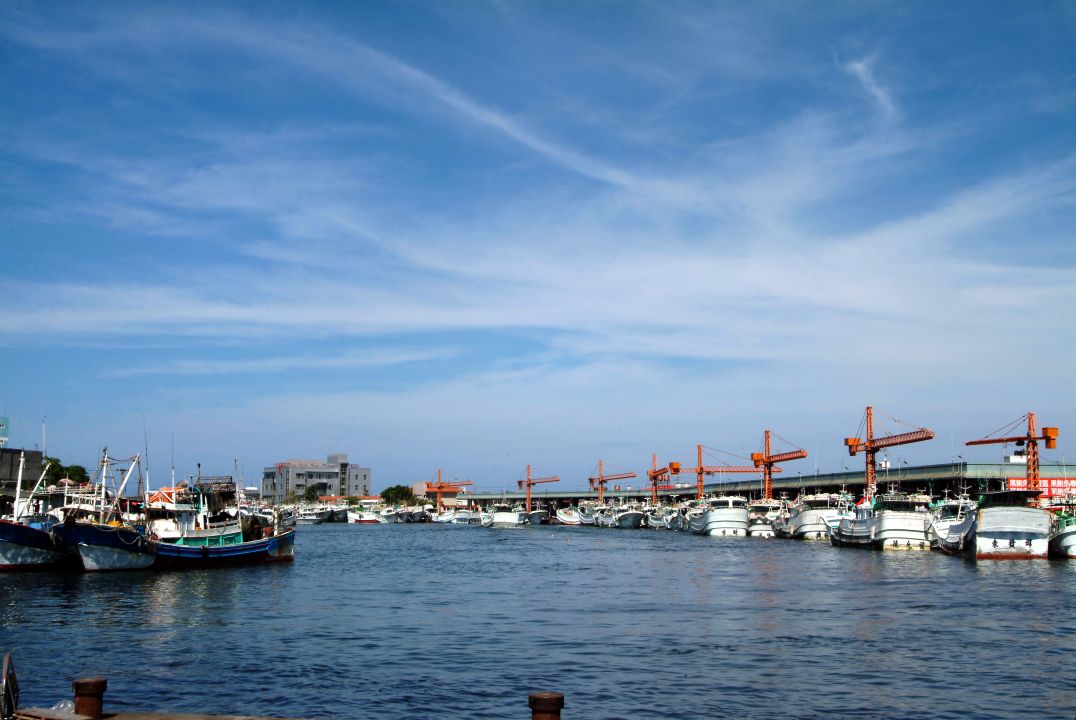
東港海域依循著自然的節奏:每年10月至隔年1月捕撈烏魚,冬季(11月至隔年2月)是鰻魚季,11月至隔年5月為櫻花蝦,清明至端午則捕撈更細小的赤尾青,春季4月至6月則迎來鮪魚盛產。這套自然循環的海洋生態體系,正與《少年Pi》電影中所蘊含的海洋生態意涵深度共鳴。
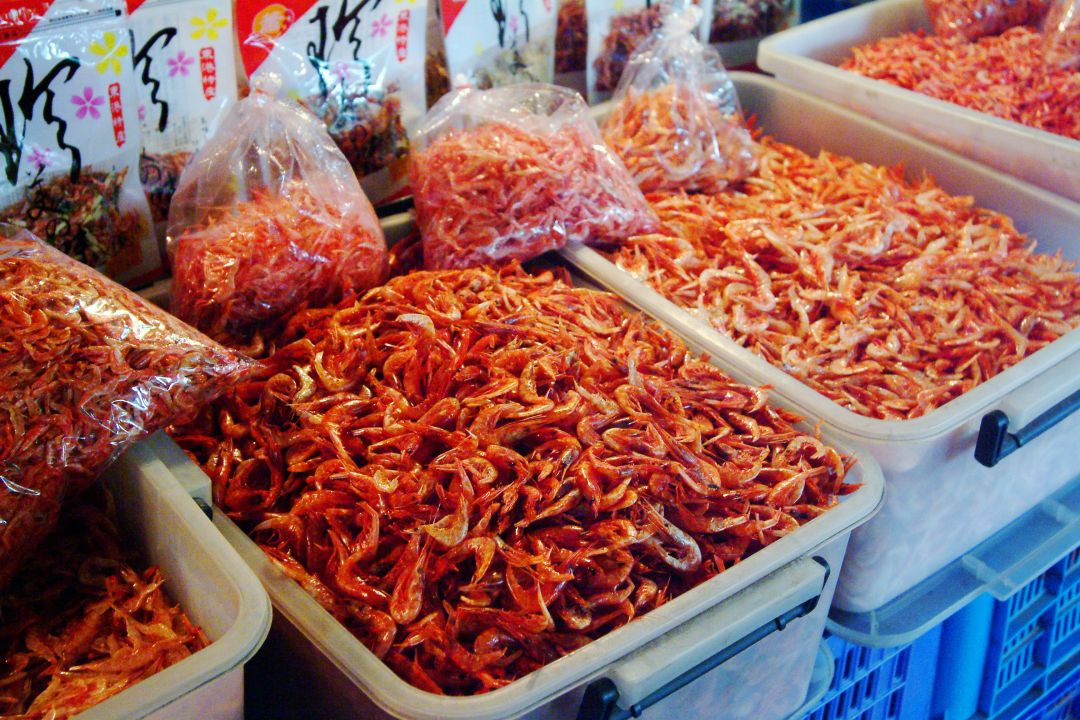
過去在台灣享有「東港三寶:黑鮪魚、櫻花蝦、油魚子」的美譽,正因為櫻花蝦的色澤如同美艷的櫻花一般,讓櫻花蝦炒高麗菜、櫻花蝦油飯(米糕),或是搭配旗魚鬆的櫻花蝦炒飯成為台式經典美食;然而,全球僅有日本駿河灣與台灣東港、宜蘭頭城等極少數海域盛產櫻花蝦。
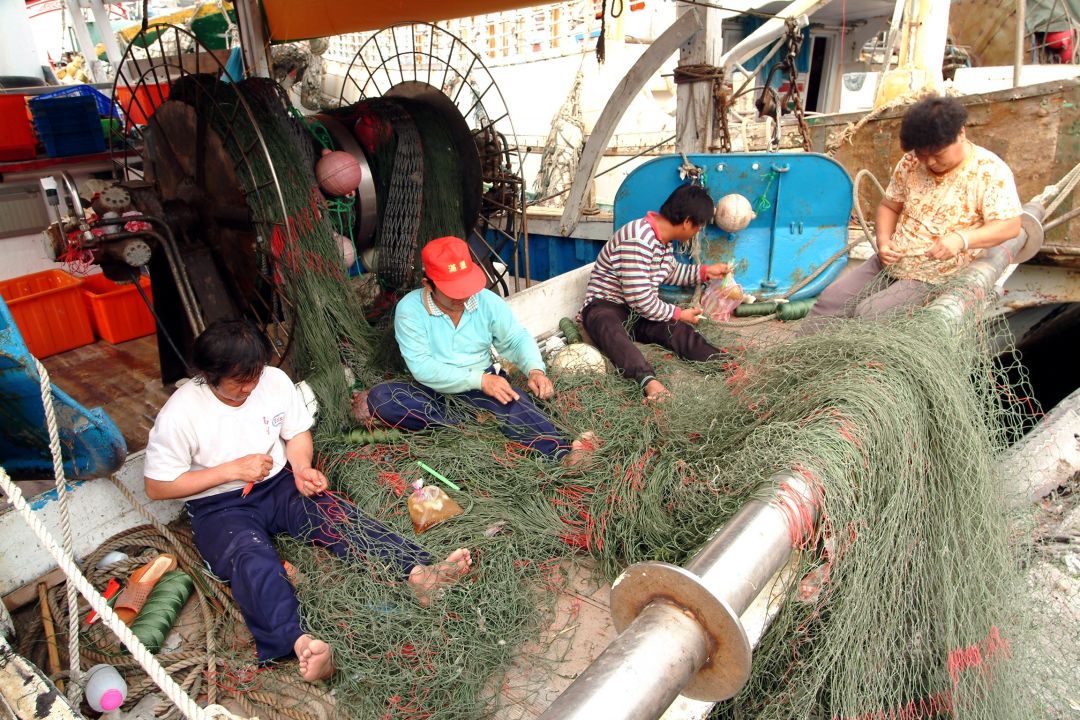
鑑於蝦類在生態鏈中扮演關鍵的餌料生物角色,為確保海洋生態永續,東港區漁會制定了「櫻花蝦產銷班作業漁船公約」,旨在健全產銷班的組織與制度,以期讓櫻花蝦漁業能在台灣紮根,並穩定其長遠發展。每年6月1日起至10月31日為櫻花蝦的幼蝦禁捕期,全體產銷班成員不得於該期間對於櫻花蝦進行捕撈,違者若經查證屬實,將會移送屏東縣政府查辦,此外產銷班將會另外再處以罰金;同樣的東港區漁會也有赤尾青的捕撈作業規定。因此櫻花蝦、赤尾青得以生生不息、永續繁衍,繼續保有「大魚吃小魚,小魚吃蝦米。」相互依存的海洋生態系統。
從「黑鮪魚文化季」看東港如何實踐永續海洋
屏東縣東港鎮每年5月至7月舉行的「屏東黑鮪魚文化觀光季」藉由黑鮪魚文化美食,用以推動在地文化與觀光旅遊;根據農業部漁業署依據《太平洋黑鮪漁撈作業管理辦法》統計,2025年台灣捕撈黑鮪魚數量達11,500條(2025年6月數據),總重逾2,300噸,已略超年度2,200噸的捕撈上限。因此漁業署公告於6月8日提前結束該年度捕撈作業,以期永保海洋生態資源的生生不息。
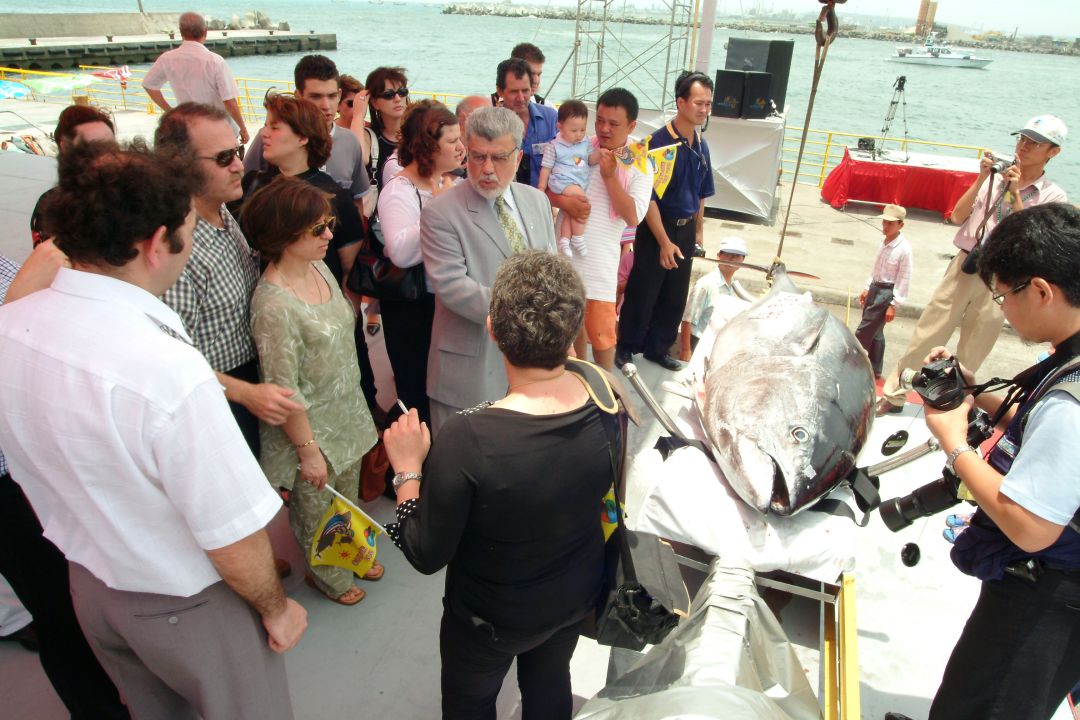
雖然每年五月熱鬧登場的「屏東黑鮪魚文化觀光季」都會帶動台灣各地享用黑鮪魚美食饗宴,但是東港區漁會及漁民堅持遵守黑鮪魚、櫻花蝦、赤尾青等捕撈政策,終能獲得海洋生態保育的永續發展;此舉正是呼應2015年聯合國推動全球邁向2030年永續發展目標(SDGs)其中第14項「保育及永續利用海洋與海洋資源,以確保永續發展」目標一致,而這又與秦王政6年(西元前241年)《呂氏春秋.義賞》:「竭澤而漁,豈不獲得,而明年無魚。」(過度捕撈將導致資源枯竭)所載的永續生態理念相符。