
'%20fill='%23a9976d'/%3e%3cpath%20id='Path_251'%20data-name='Path%20251'%20d='M8,35a1,1,0,0,1,1-1H23a1,1,0,0,1,0,2H9A1,1,0,0,1,8,35Z'%20transform='translate(-8%20-22)'%20fill='%23a9976d'/%3e%3cpath%20id='Path_252'%20data-name='Path%20252'%20d='M9,22a1,1,0,0,0,0,2h8a1,1,0,0,0,0-2Z'%20transform='translate(-8%20-16)'%20fill='%23a9976d'/%3e%3c/svg%3e)
'%20fill='%23a9976d'/%3e%3c/g%3e%3c/svg%3e)
葡萄酒─兩個酒莊連奪世界首獎
地方探索
主題探索
中部
文化美食
分享
'%3e%3cg%20id='Ellipse_27'%20data-name='Ellipse%2027'%20transform='translate(813%20250)'%20fill='none'%20stroke='%23ccac89'%20stroke-width='1'%3e%3ccircle%20cx='16'%20cy='16'%20r='16'%20stroke='none'/%3e%3ccircle%20cx='16'%20cy='16'%20r='15.5'%20fill='none'/%3e%3c/g%3e%3cg%20id='facebook'%20transform='translate(824.105%20258.296)'%3e%3cpath%20id='Path_243'%20data-name='Path%20243'%20d='M8.894.111V2.556H7.441a1.361,1.361,0,0,0-1.074.333,1.534,1.534,0,0,0-.278,1v1.75H8.8L8.441,8.38H6.089v7.028H3.255V8.38H.894V5.639H3.255V3.62A3.582,3.582,0,0,1,4.218.949,3.5,3.5,0,0,1,6.783,0,15.317,15.317,0,0,1,8.894.111Z'%20transform='translate(0%200)'%20fill='%23ccac89'/%3e%3c/g%3e%3c/g%3e%3c/svg%3e)

'%3e%3cg%20id='Ellipse_29'%20data-name='Ellipse%2029'%20transform='translate(901%20250)'%20fill='none'%20stroke='%23ccac89'%20stroke-width='1'%3e%3ccircle%20cx='16'%20cy='16'%20r='16'%20stroke='none'/%3e%3ccircle%20cx='16'%20cy='16'%20r='15.5'%20fill='none'/%3e%3c/g%3e%3cg%20id='link-45deg'%20transform='translate(902.607%20253.105)'%3e%3cg%20id='Group_479'%20data-name='Group%20479'%20transform='translate(7.393%205.896)'%3e%3cpath%20id='Path_241'%20data-name='Path%20241'%20d='M10.246,17.821,8.507,19.56a3.8,3.8,0,0,0,5.378,5.378L16.2,22.62a3.8,3.8,0,0,0-1.05-6.12l-.743.743a1.27,1.27,0,0,0-.2.252,2.535,2.535,0,0,1,1.091,4.23L12.99,24.042A2.536,2.536,0,0,1,9.4,20.455l1.005-1a5.093,5.093,0,0,1-.162-1.631Z'%20transform='translate(-7.393%20-12.02)'%20fill='%23ccac89'/%3e%3cpath%20id='Path_242'%20data-name='Path%20242'%20d='M18.236,9.327a3.8,3.8,0,0,0,1.05,6.12l.982-.984a2.535,2.535,0,0,1-1.136-4.241L21.448,7.9a2.536,2.536,0,1,1,3.587,3.587l-1.005,1a5.1,5.1,0,0,1,.162,1.631l1.739-1.739A3.8,3.8,0,1,0,20.553,7.01Z'%20transform='translate(-13.011%20-5.896)'%20fill='%23ccac89'/%3e%3c/g%3e%3c/g%3e%3c/g%3e%3c/svg%3e)
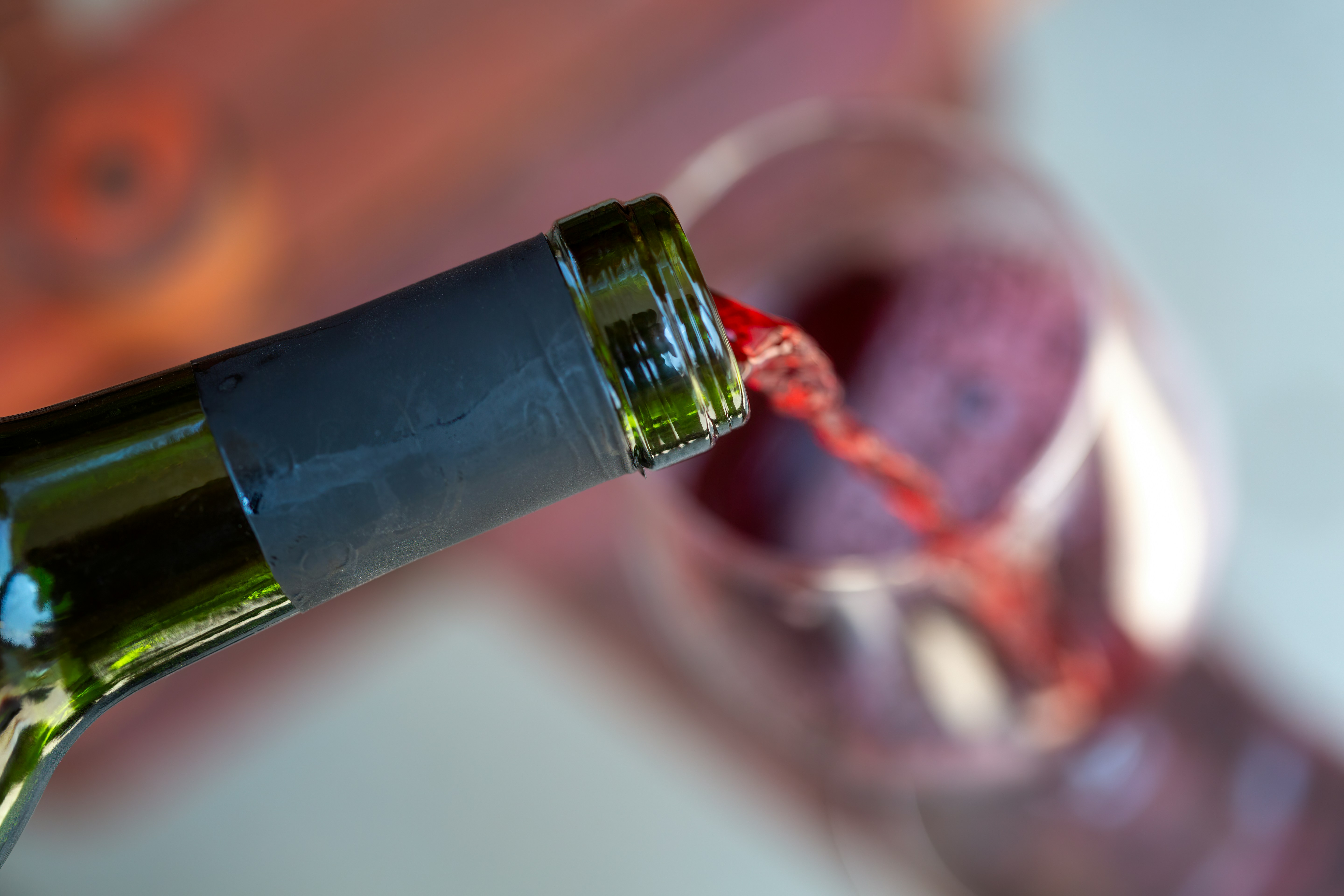
葡萄酒,原本是法國的天下;然而,誰料得到,在亞洲,相較之下只是彈丸之地的台灣,以橫空出世的氣勢,在三年內連續冒出兩個世界冠軍等級的葡萄酒。(圖片來源:Unsplash)
◤文/看見台灣基金會編輯群
釀
酒師陳千浩與台中后里的樹生酒莊合作製作推出「埔桃酒」(「埔桃」乃葡萄的古稱),2014年推出至2023年,在世界十大酒類競賽中共拿下3次首獎、12金10銀的佳績。
2017年起,來自埔里的威石東酒廠起手式也驚人,釀造出一舉獲得2017英國IWC國際葡萄酒大賽推薦酒款、2017亞洲葡萄酒指南銀牌獎,以及2018 Decanter世界葡萄酒大賽90分銀獎的三款氣泡酒。
▋不同的獨特方法論,同樣展現台灣價值
陳千浩取經葡萄牙馬德拉島所釀製的「馬德拉酒」工法,在葡萄酒中加入白蘭地,並以「熱熟成」方式釀5年,台灣葡萄偏酸,平衡馬德拉酒的甜膩後,成就了獨特的味道。
2009年,當時擔任上市公司興農董事長的楊文彬,試吃了台中農改場研發出的新品種台中三號「木杉葡萄」(Musann Blanc),有荔枝的香氣,非常喜歡,原本經營農藥、肥料生意的他興起了釀酒的大夢,隔年就成立威石東酒莊。
楊文彬組建了台灣釀酒團隊,並從美國加州酒莊重鎮納帕谷(Napa Valley)重金請到15位專家來指導土壤改良、釀製技術,經過多年研發,用時間慢慢醞釀木杉葡萄酒,一開瓶就一飛沖天的氣勢。
台灣自日治時期即引進釀酒葡萄,惟規模不大。戰後國民政府為籌措外匯與軍費,並降低依賴米糧製酒,鼓勵農民種植葡萄,並研發葡萄酒。主要使用的葡萄品種為「金香」與「黑后」。
埔桃酒及威石東酒莊出品的葡萄酒,常入選國宴、星級餐廳的佐餐酒品。台灣葡萄酒的加入,正式在世界級葡萄酒版圖插旗,增加一抹太平洋的島嶼風味。
*飲酒過量,有害(礙)健康。未滿18歲禁止飲酒。酒後不開車,安全有保障
探索更多
八寶芋泥─從前是富貴人家的象徵
「八寶」在過去是有錢人家的象徵,代表了「珍貴」與「多」的意思,至於哪八寶,則無定數。
水梨─寶島甘露梨每顆破台幣千元
水梨被喻為「百果之宗」,台灣更有「水梨王國」的美譽。原產於高加索及中國等地區,根據文獻記載,100多年前一位新竹橫山的茶商將梨子從中國華南引入台灣,培育出「橫山梨」,是台灣水梨開端。
貢丸─發音來自台語的「打」
貢丸或作「摃丸」,為以豬肉作為原料之加工食品,台灣各處皆可見,亦為餐廳小吃、家戶間常見之食品。台灣的貢丸以新竹所產最為出名,常用以煮湯和另一知名物產米粉搭配,成為具代表性的街邊小食。