


◤Text and Images / iSee Taiwan Foundation Editorial Team
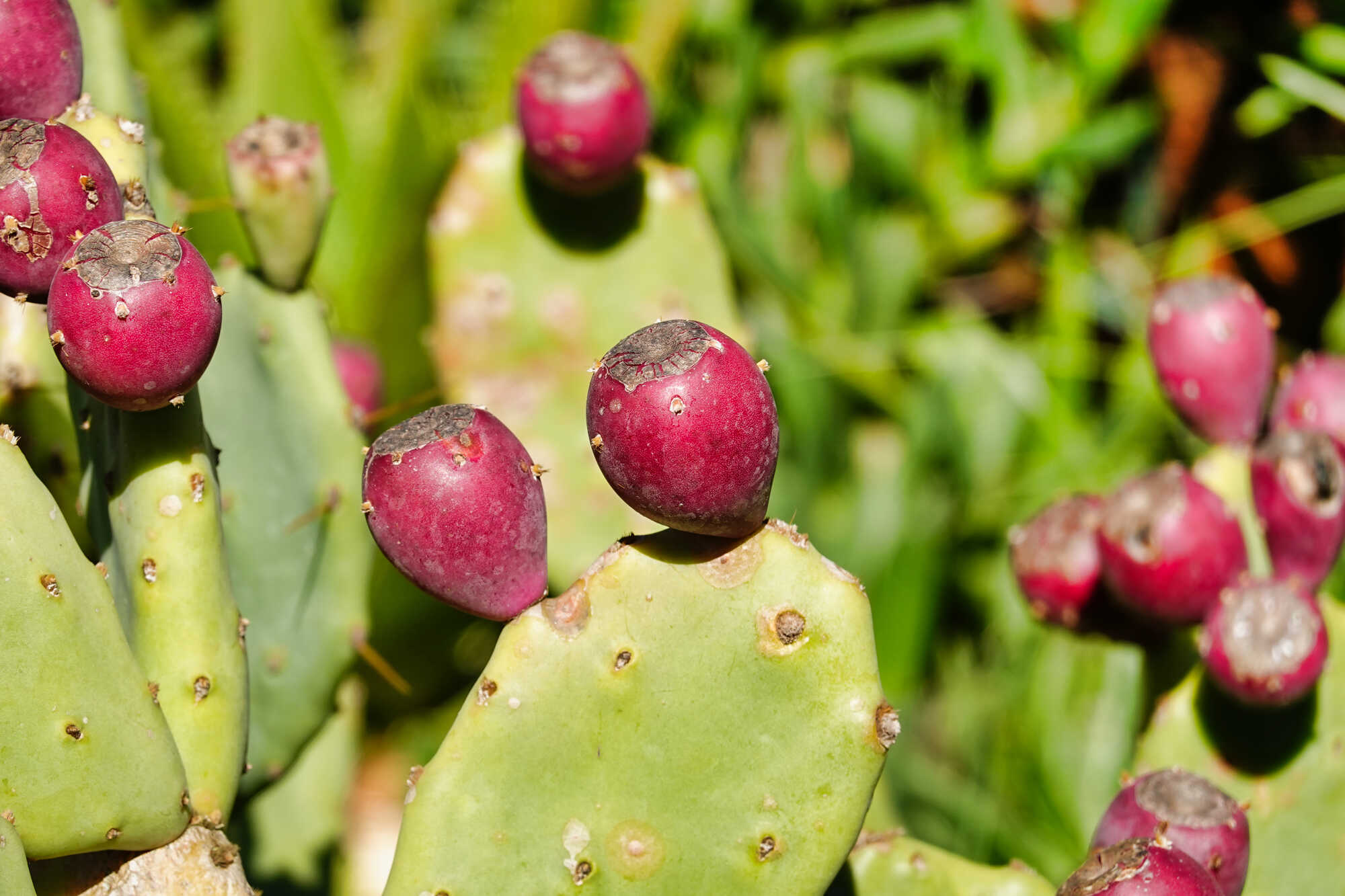
In Penghu's summer sea breeze, yellow flowers open along the edges of the plant's fleshy pads while magenta prickly pears glint in the sun. This cactus—a species from abroad, now common in Penghu and bearing edible fruit—has become one of the islands' most distinctive sights. Penghu is shaped by the ocean and the monsoon: sunshine is abundant, rainfall relatively scarce, and the sea wind blows year-round. Conditions harsh for many crops proved ideal for the cactus to take hold and spread. The prickly pear was brought to Penghu by the Dutch around the mid-17th century, and by the Kangxi reign of the Qing dynasty it already appeared in the Taiwan Prefecture Gazetteer.
Its stems are flat and fleshy, able to store large reserves of water, while its leaves have shrunk into sharp spines that reduce transpiration and keep animals from grazing on it. In earlier times, it was often planted as a thorny barrier, giving rise to Penghu's distinctive scenery of interlacing stone walls and spiny hedges. These drought-tolerant, low-water traits have also led the cactus to be seen as one of the important resilient crops for adapting to climate change in the future.
From Ice Treats to Juice: Creative Ways to Enjoy It
From early summer through the warmer months, yellow flowers bloom along the edges of the pads; once the blossoms fade, they set fruit that ripens to bright red or deep purple. The flesh is dense with tiny seeds—juicy and sweet-tart, with a crisp, gently sour note. Beyond eating it fresh, Penghu turns the fruit into cooling summer fare such as cactus shaved ice, ice cream, juice, and jam, making it a signature taste of the season. In recent years, some shops have also experimented with prickly pear in desserts and drinks, extending the creative possibilities of this local product.
The prickly pear's alluring magenta comes mainly from natural betalain pigments, of which the red-purple hues are largely associated with betacyanins and betanin-type pigments. The red juice can serve as a natural colorant: besides tinting food, it has been taken up by craft makers experimenting with handmade design. From everyday utility to cultural innovation, this once-foreign plant has long since woven itself into daily life in Penghu.
From a spiny protective plant to a chilled treat travelers talk about, the prickly pear has completed a foreign species' turn toward the local in Penghu. It bears witness to the outlying islanders' wisdom of living in step with nature and making the most of what they have—and it writes the most vivid magenta note of all for these islands set in the sea.