


◤Text and Images / iSee Taiwan Foundation Editorial Team
The Taiwan flat lemon (Citrus depressa Hayata) is a citrus common in eastern Taiwan and around the Ryukyu Islands. In Taiwan in the past, its bitter, sour fruit long kept it from wide commercial use, and it stayed hidden in the hills. In recent years, research noting that the flat lemon contains compounds such as nobiletin and tangeretin has drawn both scientific and market attention. Japan even regards it as a health food, and businesses there once came to Taiwan in search of a source of raw fruit.
Because the flat lemon is demanding about growing conditions, the areas suited to it are very limited, and domestic Japanese output has long fallen short. As demand rose, Japanese experts and businesses formed a trade group and came to Taiwan to look for wild native flat-lemon stock, finally finding that the hills around Laiyi Township, Pingtung County still held excellent local cultivation and native genetic resources.
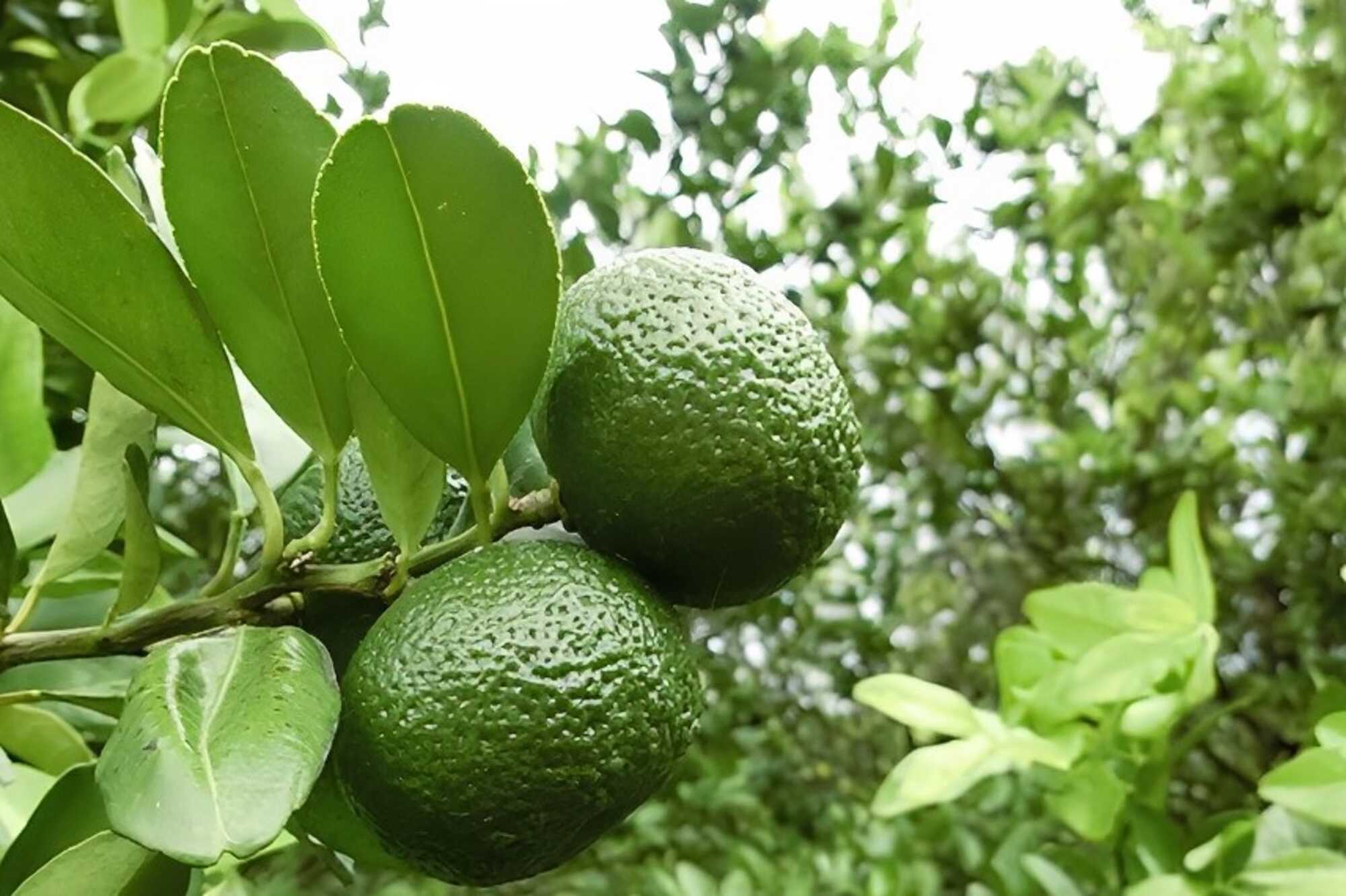
Laiyi Township, Pingtung County sits on a tail ridge of the Central Mountain Range, its slopes well-drained and sun-rich, with a marked day-and-night temperature swing in the hills-conditions that yield fruit of layered fragrance and bright, sharp acidity. The Taiwan flat lemon is smaller than a lemon and slightly larger than a kumquat, with a rough, flat-round skin; a light rub of the peel releases a fresh, intense citrus aroma.
From Finding the Fruit to Reviving It and Building a Supply Chain
Chiu Yung-feng, chairman of the Yung-Hsin Cooperative, an important flat-lemon supplier for all of Taiwan, walked the mountains himself more than a decade ago, when Japanese businesses came looking for the fruit, and finally found this forgotten treasure in Laiyi Township, Pingtung County. Research and appraisal confirmed it as one of Taiwan's native varieties. He then set restoration in motion, building an integrated supply chain from planting and production to processing and sales, laying a stable market foundation for the Taiwan flat lemon.
Summer is the main harvest season for the Taiwan flat lemon. Because the fruit is small, harvesting is mostly done by hand, so production costs run high-making each fruit all the more precious.
At tables in Pingtung and southern Taiwan, the flat lemon has long been part of everyday cooking. Squeezed over seafood and grilled fish, it brings out the sweetness; paired with hot pot or a pork-knuckle dip, it cuts the richness and lifts the aroma; made into flat-lemon sausage, it adds a refreshing tartness. Blended with honey, brown sugar, or sugarcane juice, it becomes one of the most popular natural drinks of high summer. Some Indigenous communities also fold the flat lemon into cured meats and flavored sauces, showing the culinary creativity this land nurtures.
Today, as health awareness rises and international markets expand, the Pingtung flat lemon has gone from a once-overlooked "mountain citrus" to a distinctive fruit sought after around the world. Its revival reminds us that the land's most precious treasures are often not created; they come to shine with a light of their own only once we see them anew.