
'%20fill='%23a9976d'/%3e%3cpath%20id='Path_251'%20data-name='Path%20251'%20d='M8,35a1,1,0,0,1,1-1H23a1,1,0,0,1,0,2H9A1,1,0,0,1,8,35Z'%20transform='translate(-8%20-22)'%20fill='%23a9976d'/%3e%3cpath%20id='Path_252'%20data-name='Path%20252'%20d='M9,22a1,1,0,0,0,0,2h8a1,1,0,0,0,0-2Z'%20transform='translate(-8%20-16)'%20fill='%23a9976d'/%3e%3c/svg%3e)
'%20fill='%23a9976d'/%3e%3c/g%3e%3c/svg%3e)
苗栗──吃客家料理、賞桐花一次搞定
地方探索
中部
分享
'%3e%3cg%20id='Ellipse_27'%20data-name='Ellipse%2027'%20transform='translate(813%20250)'%20fill='none'%20stroke='%23ccac89'%20stroke-width='1'%3e%3ccircle%20cx='16'%20cy='16'%20r='16'%20stroke='none'/%3e%3ccircle%20cx='16'%20cy='16'%20r='15.5'%20fill='none'/%3e%3c/g%3e%3cg%20id='facebook'%20transform='translate(824.105%20258.296)'%3e%3cpath%20id='Path_243'%20data-name='Path%20243'%20d='M8.894.111V2.556H7.441a1.361,1.361,0,0,0-1.074.333,1.534,1.534,0,0,0-.278,1v1.75H8.8L8.441,8.38H6.089v7.028H3.255V8.38H.894V5.639H3.255V3.62A3.582,3.582,0,0,1,4.218.949,3.5,3.5,0,0,1,6.783,0,15.317,15.317,0,0,1,8.894.111Z'%20transform='translate(0%200)'%20fill='%23ccac89'/%3e%3c/g%3e%3c/g%3e%3c/svg%3e)

'%3e%3cg%20id='Ellipse_29'%20data-name='Ellipse%2029'%20transform='translate(901%20250)'%20fill='none'%20stroke='%23ccac89'%20stroke-width='1'%3e%3ccircle%20cx='16'%20cy='16'%20r='16'%20stroke='none'/%3e%3ccircle%20cx='16'%20cy='16'%20r='15.5'%20fill='none'/%3e%3c/g%3e%3cg%20id='link-45deg'%20transform='translate(902.607%20253.105)'%3e%3cg%20id='Group_479'%20data-name='Group%20479'%20transform='translate(7.393%205.896)'%3e%3cpath%20id='Path_241'%20data-name='Path%20241'%20d='M10.246,17.821,8.507,19.56a3.8,3.8,0,0,0,5.378,5.378L16.2,22.62a3.8,3.8,0,0,0-1.05-6.12l-.743.743a1.27,1.27,0,0,0-.2.252,2.535,2.535,0,0,1,1.091,4.23L12.99,24.042A2.536,2.536,0,0,1,9.4,20.455l1.005-1a5.093,5.093,0,0,1-.162-1.631Z'%20transform='translate(-7.393%20-12.02)'%20fill='%23ccac89'/%3e%3cpath%20id='Path_242'%20data-name='Path%20242'%20d='M18.236,9.327a3.8,3.8,0,0,0,1.05,6.12l.982-.984a2.535,2.535,0,0,1-1.136-4.241L21.448,7.9a2.536,2.536,0,1,1,3.587,3.587l-1.005,1a5.1,5.1,0,0,1,.162,1.631l1.739-1.739A3.8,3.8,0,1,0,20.553,7.01Z'%20transform='translate(-13.011%20-5.896)'%20fill='%23ccac89'/%3e%3c/g%3e%3c/g%3e%3c/g%3e%3c/svg%3e)
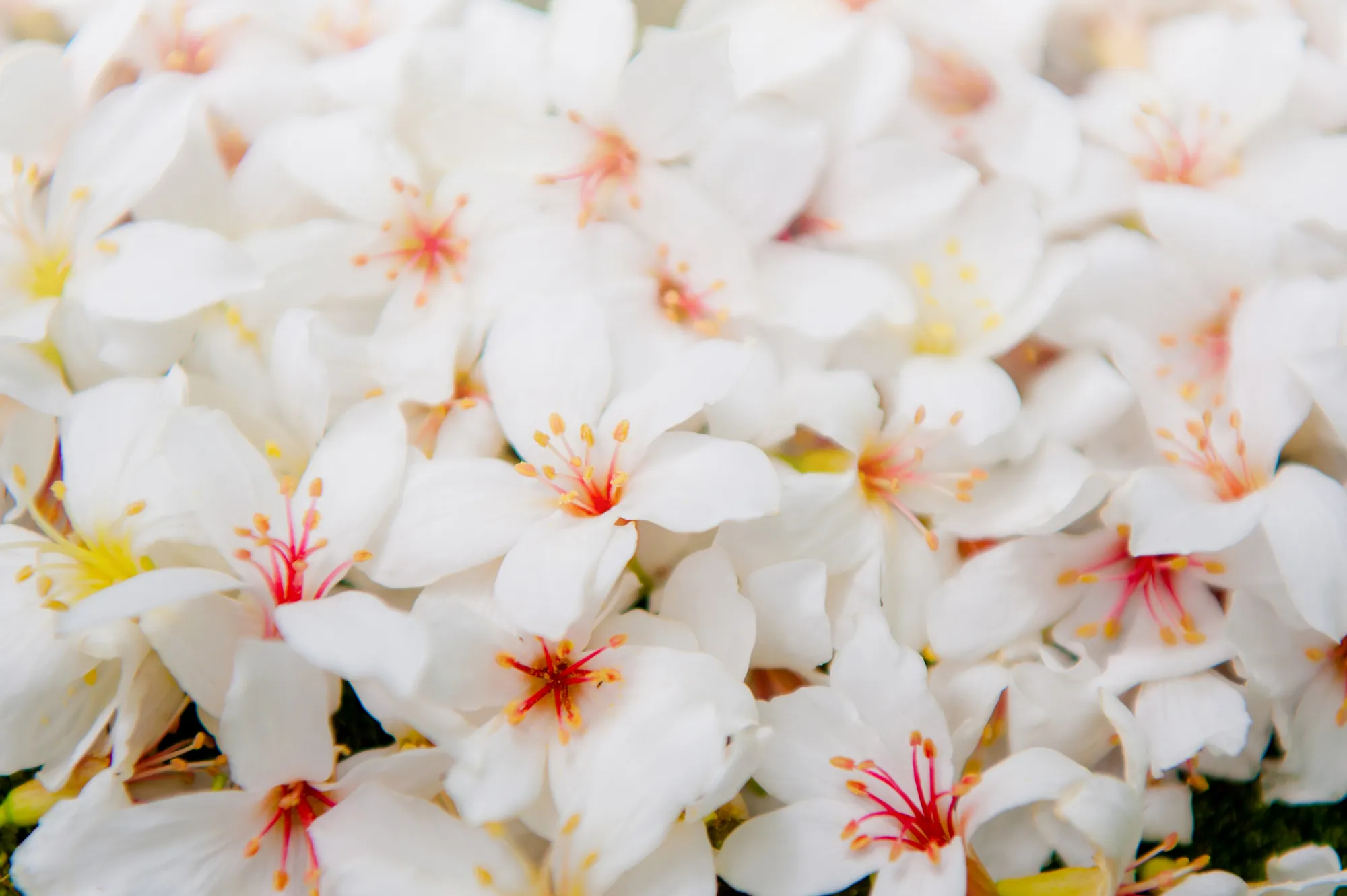
苗栗,是個適合慢活的城市,賞桐花、品嘗桶柑茶、騎行浪漫台三線,還有豐富的傳統客家料理,一年四季皆有適宜旅人的行程。
◤文.圖/看見台灣基金會編輯群
苗
栗縣,地處台灣西北,約有53萬人口。苗栗古稱「貓里」,因此地原為平埔族道卡斯族居住之地,該族以「貓里」稱之,意謂為平原之地,因而得名。雖意指平地,但其栗縣內山多平原少,以丘陵地形為主。苗栗為台灣北部農業大縣,陶業亦發達,擁有數家具百年歷史的老窯,1970至80年代,苗栗甚至以裝飾陶瓷之鄉活躍全台。
▋五月桐花漫山飛舞
清領時期,先民渡海來台,其中客家族群多往山區,且多有遷徙至多山之新竹、苗栗一帶開墾者,故至今苗栗仍有許多客家庄。而日治時期發生之重要抗日事件:南庄事件,使當地原住民賽夏族族人數量遽減,加以受客家和閩南文化的影響,賽夏族的傳統文化正急遽消失。飲食上,苗栗的客家菜相當正統,自客家粄條、客家小炒至福菜豬肚湯等菜式,甚至如桶柑茶、擂茶、肚臍餅等,都是在苗栗能夠嘗到的客家傳統滋味。
苗栗亦大力推動觀光活動,其中「浪漫台三線」的主推慢行台灣,其中部分路段途經苗栗,即設置舒適宜人的腳踏車道。過往,桐樹曾為重要的經濟作物,於台三線一帶多有種植,其花開五月,正宜造訪苗栗。除體驗多山、多丘陵的苗栗鐵馬行,亦可感受沿途迥異於其他北部城市的樂活風情,以及桐花的浪漫和客家食物的豐美柔腴。
探索更多
水蜜桃─嬌貴的極品水果,本地人獨享
台灣種植水蜜桃的歷史悠長,1685年編撰的《台灣府志》,已經有桃子的相關記載,推算明鄭時期台灣便已栽植桃樹。
碗粿─台南派勢力最大
碗粿為盛行於台灣、大陸華南、粵東等地的傳統米食,因製作過程需放置於碗中成型而得名,使用在來米(適宜製作加工米食的硬秈稻米)為主原料;若以新米製作,碗粿口感偏軟糊,故一般會使用儲放一年以上「陳化」的舊米製作,有的甚至會使用兩、三年的舊米,這樣碗粿口感較為Q彈。
粄條─客家經典米食代表 ,Q滑順口
「去到新埔、美濃這兜客家莊,無食兩碗仔粄條哪做得?」(客家話,意指,去到新埔、美濃這些客家莊,沒有吃上幾碗粄條怎麼行)證明粄條真的是台灣客家經典米食點心代表。