


◤Text and Images / iSee Taiwan Foundation Editorial Team
Changhua County sits at the heart of central Taiwan, home to a population of roughly 1.2 million. Its history runs deep: in 1723, during the reign of the Qing emperor Yongzheng, Changhua County was established at Banxian, known as Puànn-suànn in Taiwanese, in the area of present-day Changhua City. An old Taiwanese saying captures the island's historic urban hierarchy: "First Tainan, second Lukang, third Bangka." That second position belonged to Lukang. Situated along the northwest coast of Changhua County, Lukang once thrived as a major port city through maritime trade. Today, it retains a remarkable concentration of temples, historic shophouses, and living craft traditions-one of Taiwan's most significant historic towns.
From Puànn-suànn to the Ancient City of Changhua
Changhua was once known as Puànn-suànn, a name derived from the Babuza indigenous village of the same name. Following the establishment of the county in 1723, Changhua gradually grew into a political, cultural, and commercial hub for central Taiwan. The name "Changhua" is commonly interpreted as meaning "to promote and spread civilization"-local sources also cite a classical phrase invoking the emperor's civilizing influence over the islands. As trade through Lukang flourished, so too did the literary culture and commercial activity of the broader region.
Administrative boundaries shifted multiple times during the Japanese colonial period. In 1933, Changhua Street was merged with Dazhu and Nanguo townships to form Changhua City, administered directly under Taichung Prefecture. After World War II, the city briefly held provincial municipality status; in 1950, it merged with the southern half of Taichung County to form Changhua County, with Changhua City as the county seat. Today, Changhua City remains the political and cultural core of the county-often cited in local sources as the second-largest city in central Taiwan after Taichung.
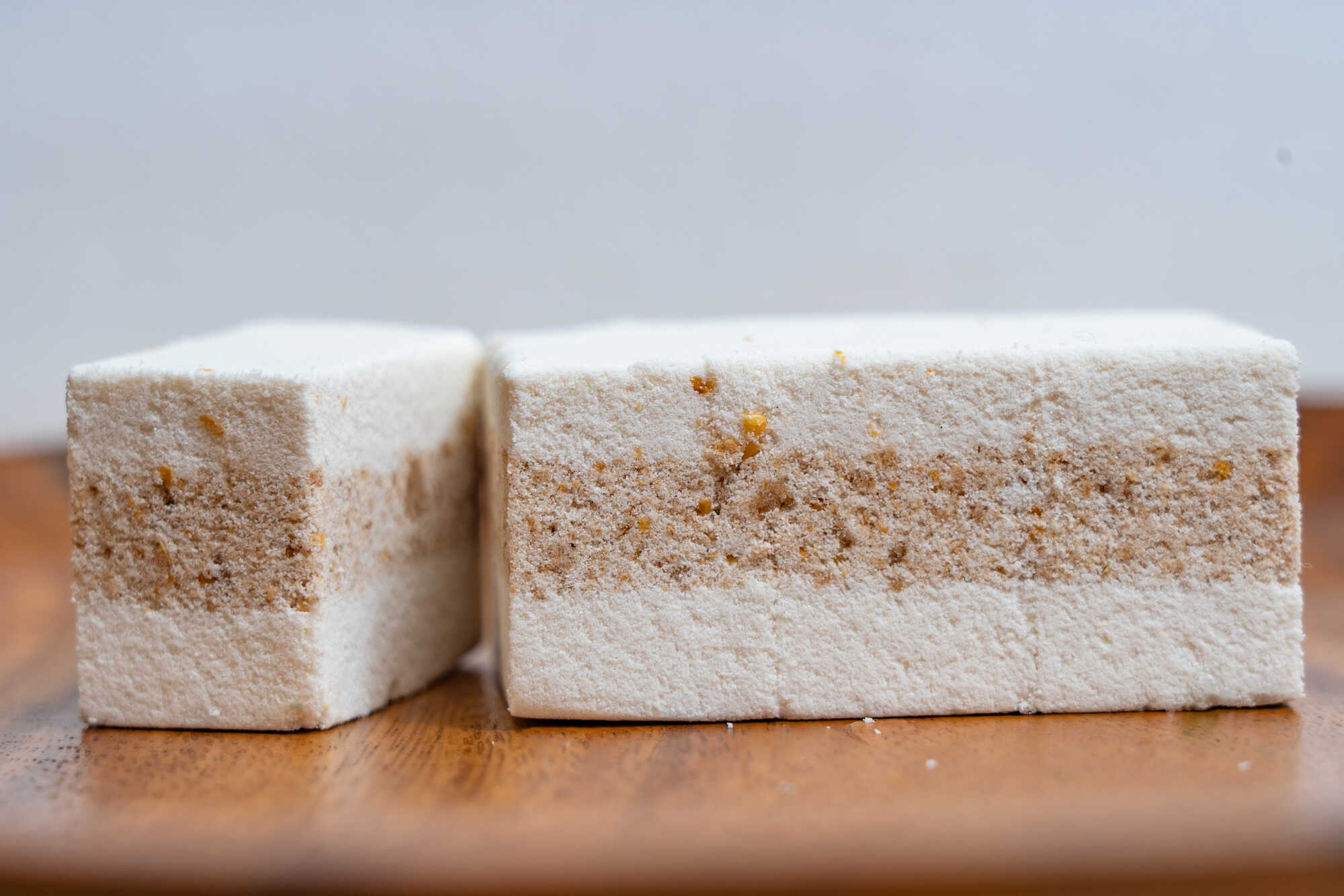
Changhua's food culture is a study in contrasts, ranging from refined confections to beloved street food. Yu Jen Jai (玉珍齋) in Lukang has long represented the area's pastry-making heritage, with delicacies such as phoenix eye cakes and mung bean cakes that pair beautifully with tea-evoking the refined tastes of the old merchant and literati class who once frequented the old streets. Everyday eating is equally compelling: Changhua City is known for bawan (Taiwanese meatball), niáu-tshí mī, and braised pork rice. The noodle dish takes its name from the shop's founder, Chen Mu-rong: in Taiwanese, niau-tshí means "mouse," a nickname Chen earned for his slight, nimble build. Beidou Township, to the south, claims its own celebrated style of bawan. Around Lukang's Tianhou Temple, vendors cluster to sell oyster omelets, fresh oyster dishes, and mī-suànn-kôo (thick vermicelli broth)-a lively, briny taste of the port town's culinary character.
From delicate pastries to hearty street snacks, Changhua's food does more than satisfy hunger. It holds the living memory of an ancient county seat, a once-mighty port, and the streets that connected them.