


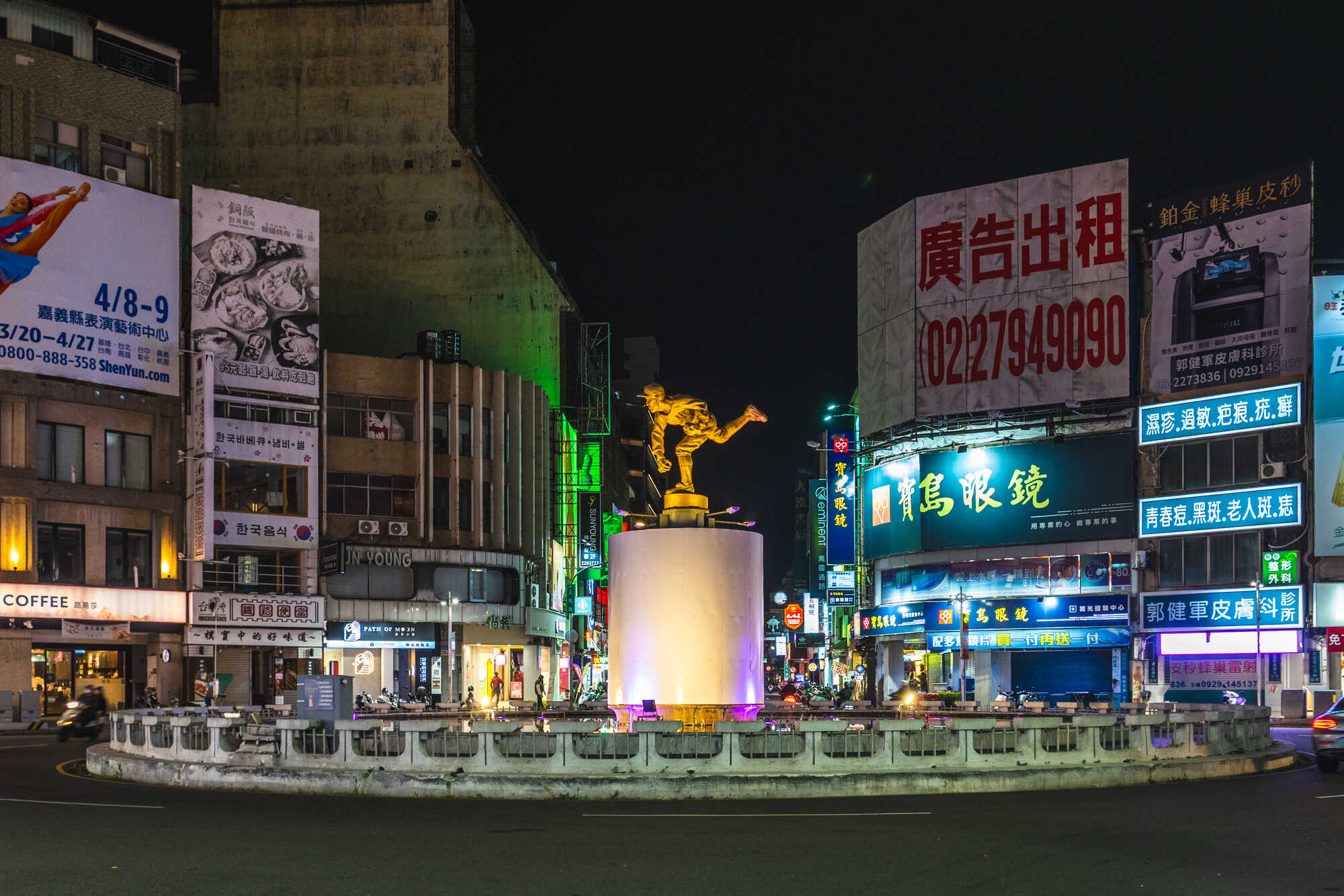
◤Text and Images / iSee Taiwan Foundation Editorial Team
Chiayi sits in south-central Taiwan, its administrative area today spans Chiayi City and Chiayi County, with a combined population of roughly 700,000. Historically the seat of Zhuluo County under Qing governance, it ranked among the early important towns of southern Taiwan. The city has long carried two epithets-"City of Painting" and "City of Timber"-reflecting its layered heritage in art, culture, and forestry. Chiayi County today is distinguished by its agricultural land, mountain forests, and tourism resources, with Alishan standing as one of Taiwan's most iconic destinations, known well beyond the island's shores.
Chiayi's history runs deep. Zhuluo County was established in 1684 under Qing governance; by 1704, a wooden stockade had been raised to fortify the settlement. The walls traced the outline of a peach, earning the town the enduring nickname "Peach City." During the Lin Shuangwen Uprising of the Qianlong Emperor's reign, the residents of Zhuluo distinguished themselves by holding the city against attack. In recognition of their loyalty, the emperor renamed the county "Chiayi"-meaning "to commend the righteous loyalty of those who defended the city to the last."
Turkey rice that tastes different once you leave
During the Japanese colonial period, Chiayi rose to prominence as one of Taiwan's foremost forestry cities, driven by the development of the Alishan logging grounds, the mountain railway, and the establishment of timber processing plants. After logging operations at Alishan ceased in 1963, the city gradually redirected its energies toward forestry heritage preservation, tourism, and specialty mountain industries such as tea and coffee cultivation. Walking through Chiayi today, visitors can still read this timber-built past in the railway station, the tracks, the hinoki cypress structures, and the forestry cultural park.
Beyond its historical sites and forestry legacy, Chiayi is beloved by visitors for its vibrant everyday food culture. Claypot fish head-rich, warming, and served piping hot-is a must-try for many who make the trip. And on nearly every street corner stands a stall selling turkey rice, the dish most synonymous with the city. Turkey rice appears across Taiwan, but the Chiayi version carries a distinct character: the combination of turkey meat, white rice, fried shallots, sauce, and locally specific preparation yields a flavor many find impossible to replicate elsewhere. As the saying goes among those who know it well, turkey rice just doesn't taste the same once you've left Chiayi.
Situated near the Tropic of Cancer, Chiayi endures hot summers-which have made cool drinks and aiyu ice a fixture of daily street life. From a steaming claypot fish head to a simple, refreshing bowl of aiyu ice, the city's food culture does more than satisfy the palate; it reflects the rhythms of street-market life, the local climate, and the texture of everyday living.
Chiayi's international reach is anchored in part by the Chiayi City International Band Festival. Running since 1993, it draws wind and brass ensembles from Taiwan and abroad each year, making it one of Taiwan's most representative wind music festivals and a defining element of the city's identity. From Alishan and forestry culture to turkey rice and the band festival, what Chiayi offers is not simply a catalogue of attractions-it is the story of how a city has layered its history, its industries, and the pleasures of daily life into a character that stays with you long after you leave.