
'%20fill='%23a9976d'/%3e%3cpath%20id='Path_251'%20data-name='Path%20251'%20d='M8,35a1,1,0,0,1,1-1H23a1,1,0,0,1,0,2H9A1,1,0,0,1,8,35Z'%20transform='translate(-8%20-22)'%20fill='%23a9976d'/%3e%3cpath%20id='Path_252'%20data-name='Path%20252'%20d='M9,22a1,1,0,0,0,0,2h8a1,1,0,0,0,0-2Z'%20transform='translate(-8%20-16)'%20fill='%23a9976d'/%3e%3c/svg%3e)
'%20fill='%23a9976d'/%3e%3c/g%3e%3c/svg%3e)
'%3e%3cg%20id='Ellipse_27'%20data-name='Ellipse%2027'%20transform='translate(813%20250)'%20fill='none'%20stroke='%23ccac89'%20stroke-width='1'%3e%3ccircle%20cx='16'%20cy='16'%20r='16'%20stroke='none'/%3e%3ccircle%20cx='16'%20cy='16'%20r='15.5'%20fill='none'/%3e%3c/g%3e%3cg%20id='facebook'%20transform='translate(824.105%20258.296)'%3e%3cpath%20id='Path_243'%20data-name='Path%20243'%20d='M8.894.111V2.556H7.441a1.361,1.361,0,0,0-1.074.333,1.534,1.534,0,0,0-.278,1v1.75H8.8L8.441,8.38H6.089v7.028H3.255V8.38H.894V5.639H3.255V3.62A3.582,3.582,0,0,1,4.218.949,3.5,3.5,0,0,1,6.783,0,15.317,15.317,0,0,1,8.894.111Z'%20transform='translate(0%200)'%20fill='%23ccac89'/%3e%3c/g%3e%3c/g%3e%3c/svg%3e)

'%3e%3cg%20id='Ellipse_29'%20data-name='Ellipse%2029'%20transform='translate(901%20250)'%20fill='none'%20stroke='%23ccac89'%20stroke-width='1'%3e%3ccircle%20cx='16'%20cy='16'%20r='16'%20stroke='none'/%3e%3ccircle%20cx='16'%20cy='16'%20r='15.5'%20fill='none'/%3e%3c/g%3e%3cg%20id='link-45deg'%20transform='translate(902.607%20253.105)'%3e%3cg%20id='Group_479'%20data-name='Group%20479'%20transform='translate(7.393%205.896)'%3e%3cpath%20id='Path_241'%20data-name='Path%20241'%20d='M10.246,17.821,8.507,19.56a3.8,3.8,0,0,0,5.378,5.378L16.2,22.62a3.8,3.8,0,0,0-1.05-6.12l-.743.743a1.27,1.27,0,0,0-.2.252,2.535,2.535,0,0,1,1.091,4.23L12.99,24.042A2.536,2.536,0,0,1,9.4,20.455l1.005-1a5.093,5.093,0,0,1-.162-1.631Z'%20transform='translate(-7.393%20-12.02)'%20fill='%23ccac89'/%3e%3cpath%20id='Path_242'%20data-name='Path%20242'%20d='M18.236,9.327a3.8,3.8,0,0,0,1.05,6.12l.982-.984a2.535,2.535,0,0,1-1.136-4.241L21.448,7.9a2.536,2.536,0,1,1,3.587,3.587l-1.005,1a5.1,5.1,0,0,1,.162,1.631l1.739-1.739A3.8,3.8,0,1,0,20.553,7.01Z'%20transform='translate(-13.011%20-5.896)'%20fill='%23ccac89'/%3e%3c/g%3e%3c/g%3e%3c/g%3e%3c/svg%3e)
◤文.圖 / 看見台灣基金會編輯群
高雄橋頭糖廠(舊稱橋仔頭糖廠)是台灣第一座現代化機械式製糖工廠,創建於1901年的日本時代,每日壓榨甘蔗1,000噸以上。戰後改名台糖高雄廠,直至1999年停產製糖。地方人士於2001年成立並進駐橋仔頭糖廠藝術村,2006年規劃為台灣糖業博物館,保留壓榨室、清淨室等19處古蹟,主要推廣糖業文化與在地體驗。
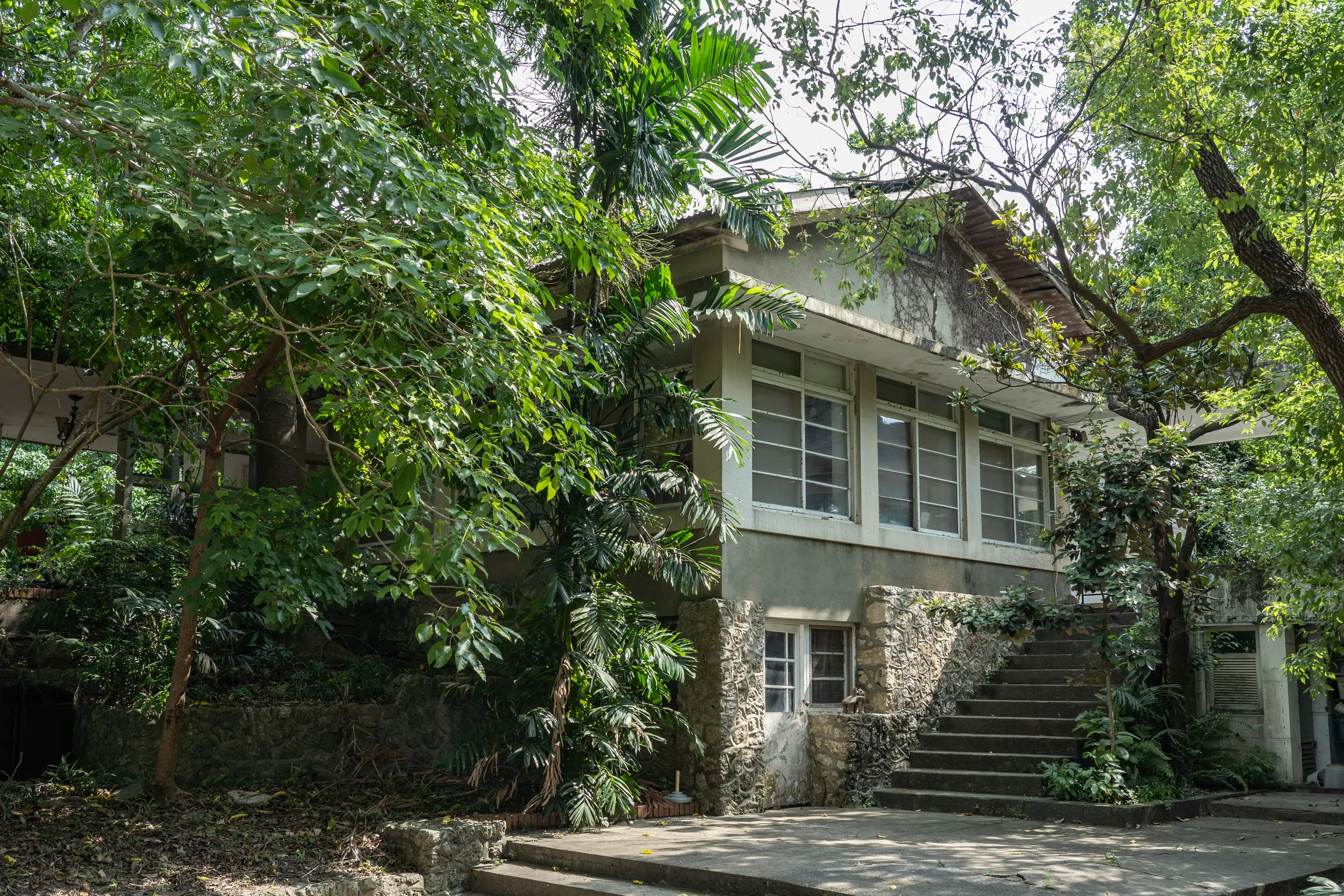
其中的一間日式老屋──白屋,前身是日本時代的招待所與宴會廳。隨著糖廠停產,這座優雅的建築也隨之沉寂了近20年。直至2018年,在一群文化工作者與在地居民共同發起的空間再生計畫推動下,白屋才自歷史的塵埃中甦醒,重獲新生。
白屋主理人洪毓伶指出,藝術在空間的活化過程中,扮演了核心角色。此地轉化為實驗性展演與跨域創作的舞台,吸引國內外藝術家駐村創作,以當代藝術語彙為老建築譜寫新的靈魂篇章。團隊亦結合「幸福產業」,使白屋成為新人嚮往的婚禮儀式與攝影熱點。為吸引年輕世代親近文化,白屋設計了互動式卡牌與線上心理測驗,將老屋導覽轉化為一場探索建築故事的沉浸式遊戲。
地方味覺與信仰的文化記憶
除了藝術與展演,白屋更以地方味覺延伸文化記憶。團隊融合橋頭糖廠的歷史與民間信仰,以在地土地公廟為靈感,創作出大型環境劇場《后土記》,將廟宇文化、工業遺跡與居民生活,以史詩般的筆觸織入劇情。其後更進一步開發出「豐土拾味」文創禮盒,匯集了金黃鳳梨果乾、檸香琥珀糖與野菜餅乾等在地特產,其中餅乾造型靈感取自土地公廟的建築元素。
白屋周邊同樣瀰漫著濃厚的地方風味:擁有70年歷史的「橋頭太成肉包」,堅持採用當日溫體豬肉與傳統手工揉製,肉餡鮮甜、外皮薄潤多汁;承載糖廠集體記憶的「台糖冰棒」,以紅豆、芋頭與鳳梨等經典口味最受歡迎;而「阿婆咖哩鮪魚羹」則創意融合咖哩與鮪魚,其濃郁湯頭展現了小鎮特有的飲食創意與人情味。
如今的白屋,早已超越單一老建築的重生,更是一場持續進行的文化共創。它成功融合了藝術、信仰與地方產業,讓昔日的舊糖廠再度成為一個能持續匯聚人潮、激發創意的文化基地。