
'%20fill='%23a9976d'/%3e%3cpath%20id='Path_251'%20data-name='Path%20251'%20d='M8,35a1,1,0,0,1,1-1H23a1,1,0,0,1,0,2H9A1,1,0,0,1,8,35Z'%20transform='translate(-8%20-22)'%20fill='%23a9976d'/%3e%3cpath%20id='Path_252'%20data-name='Path%20252'%20d='M9,22a1,1,0,0,0,0,2h8a1,1,0,0,0,0-2Z'%20transform='translate(-8%20-16)'%20fill='%23a9976d'/%3e%3c/svg%3e)
'%20fill='%23a9976d'/%3e%3c/g%3e%3c/svg%3e)
金門高粱酒鄉之旅─從戰地到創新,品味高粱文化之美
'%3e%3cg%20id='Ellipse_27'%20data-name='Ellipse%2027'%20transform='translate(813%20250)'%20fill='none'%20stroke='%23ccac89'%20stroke-width='1'%3e%3ccircle%20cx='16'%20cy='16'%20r='16'%20stroke='none'/%3e%3ccircle%20cx='16'%20cy='16'%20r='15.5'%20fill='none'/%3e%3c/g%3e%3cg%20id='facebook'%20transform='translate(824.105%20258.296)'%3e%3cpath%20id='Path_243'%20data-name='Path%20243'%20d='M8.894.111V2.556H7.441a1.361,1.361,0,0,0-1.074.333,1.534,1.534,0,0,0-.278,1v1.75H8.8L8.441,8.38H6.089v7.028H3.255V8.38H.894V5.639H3.255V3.62A3.582,3.582,0,0,1,4.218.949,3.5,3.5,0,0,1,6.783,0,15.317,15.317,0,0,1,8.894.111Z'%20transform='translate(0%200)'%20fill='%23ccac89'/%3e%3c/g%3e%3c/g%3e%3c/svg%3e)

'%3e%3cg%20id='Ellipse_29'%20data-name='Ellipse%2029'%20transform='translate(901%20250)'%20fill='none'%20stroke='%23ccac89'%20stroke-width='1'%3e%3ccircle%20cx='16'%20cy='16'%20r='16'%20stroke='none'/%3e%3ccircle%20cx='16'%20cy='16'%20r='15.5'%20fill='none'/%3e%3c/g%3e%3cg%20id='link-45deg'%20transform='translate(902.607%20253.105)'%3e%3cg%20id='Group_479'%20data-name='Group%20479'%20transform='translate(7.393%205.896)'%3e%3cpath%20id='Path_241'%20data-name='Path%20241'%20d='M10.246,17.821,8.507,19.56a3.8,3.8,0,0,0,5.378,5.378L16.2,22.62a3.8,3.8,0,0,0-1.05-6.12l-.743.743a1.27,1.27,0,0,0-.2.252,2.535,2.535,0,0,1,1.091,4.23L12.99,24.042A2.536,2.536,0,0,1,9.4,20.455l1.005-1a5.093,5.093,0,0,1-.162-1.631Z'%20transform='translate(-7.393%20-12.02)'%20fill='%23ccac89'/%3e%3cpath%20id='Path_242'%20data-name='Path%20242'%20d='M18.236,9.327a3.8,3.8,0,0,0,1.05,6.12l.982-.984a2.535,2.535,0,0,1-1.136-4.241L21.448,7.9a2.536,2.536,0,1,1,3.587,3.587l-1.005,1a5.1,5.1,0,0,1,.162,1.631l1.739-1.739A3.8,3.8,0,1,0,20.553,7.01Z'%20transform='translate(-13.011%20-5.896)'%20fill='%23ccac89'/%3e%3c/g%3e%3c/g%3e%3c/g%3e%3c/svg%3e)
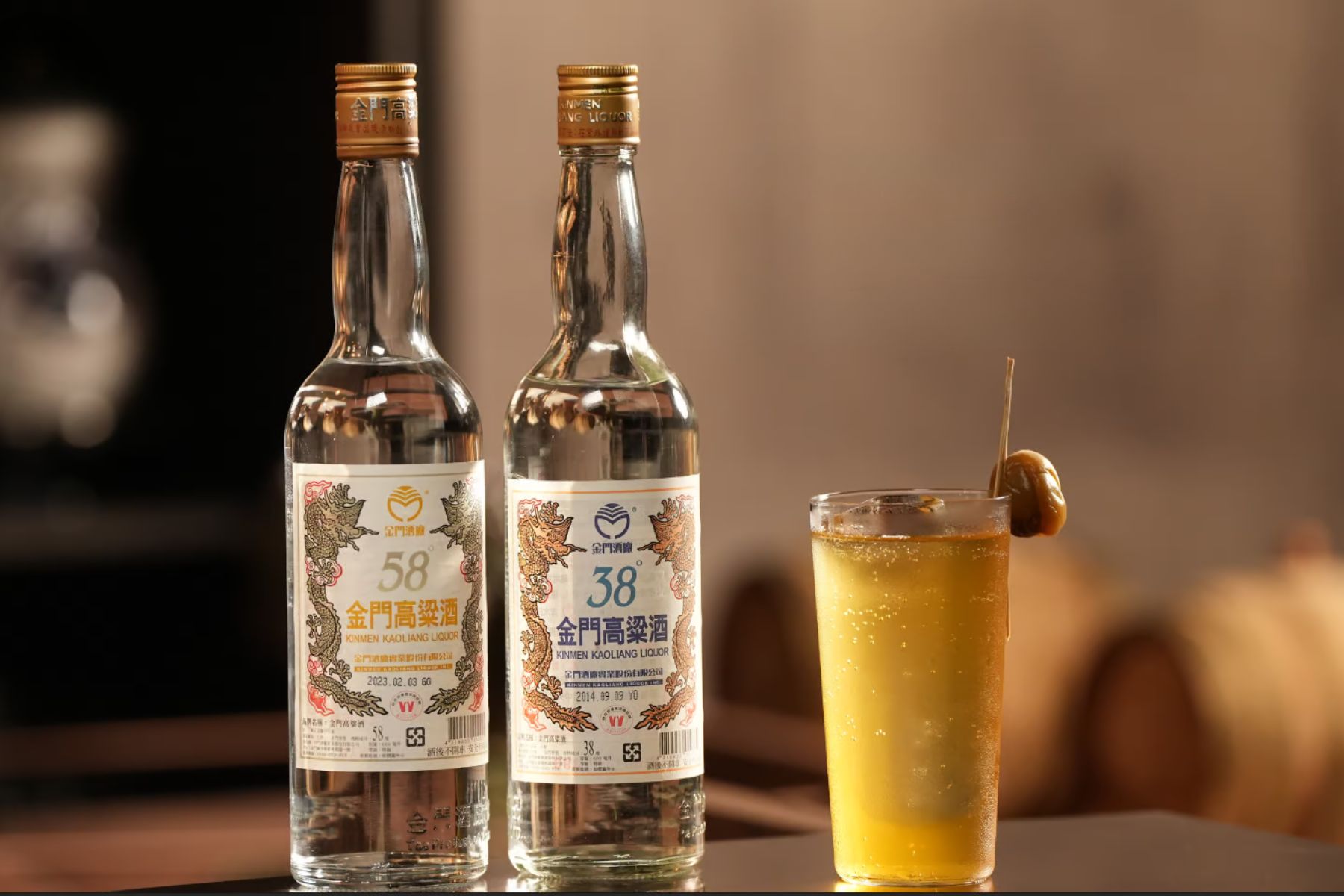
◤文/特約作家一Melody
門作為一個重要的海島軍事據點,經歷了戰亂和糧食匱乏的考驗。由於運輸受限、物資短缺,居民們開始尋找替代的生計方式,其中一種方法就是利用當地的高粱製作酒精飲料。
起源自江蘇洋河的高粱酒,在1960年代烽火漫天時空背景下於金門迅速發展,當時胡璉將軍為解慰從陜西到金門駐守的軍人思鄉之苦,同時解決金門民食問題,提出「一斤高粱換一斤大米」、高粱稈用作燃料的計畫,金門開始大規模種植高粱,而高粱酒也從中崛起,至今蓬勃發展為一種品味美學,黃澄澄的高粱田定義了金門的顏色,那片高聳的金黃高粱,盡是豐厚的文化重量。
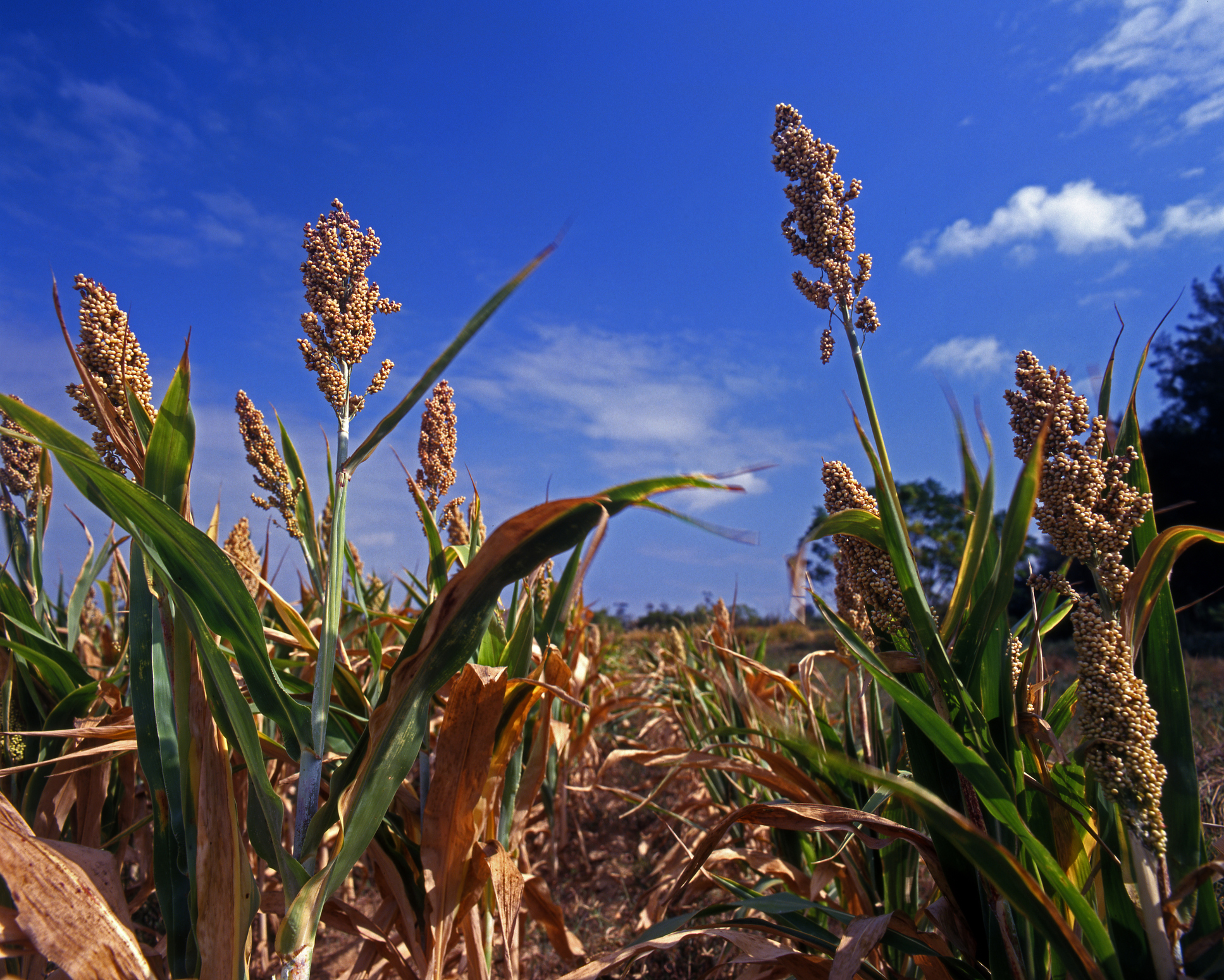
▋綠色能源低碳進行式,契作高粱的永續酒香
這座擁有得天獨厚的風力與太陽能的金色之島,近年更積極發展再生能源,以應對能源轉型的挑戰。金門因其特殊的地理位置,結合了豐富的文化底蘊,正在漸漸轉變成為一座永續島嶼。
隨著再生能源發電比例的提升,金門正逐漸擺脫對傳統能源的倚賴,走上低碳、智慧、創能的道路。透過智慧電網的布建,金門的能源供應更加穩定,讓生活在這片土地的人民感受到綠色能源的力量。
舉例來說,金門智慧電網和風力發電緊密相關,風力發電提供清潔能源,但存在間歇性供應問題;智慧電網透過調節其他能源供應,確保能源穩定供應。智慧電網的建設確保了生產過程的能源穩定性,有助於高粱酒的品質和產量控制,不僅帶動了金門的能源轉型,也為高粱酒產業注入了新的活力,促進了金門整體經濟的發展。
除了能源進化,金門也在農業與酒業上並進ESG永續發展計畫。過去國內沒有適合釀酒的「純糯」高粱品種,金門酒廠主要是靠進口,直到試釀台南區農改場在2019年育成的台南7號及台南8號純糯性紅高粱,發現風味極佳。
於是,從2021年與各縣市農會合作用「3年契作3,000公頃」為目標,只要品質達到標準,金酒將全面收購,成功打造契作高粱商業模式。
契作高粱模式是一項多贏的策略,台灣本島西部抽取地下水嚴重,若將水稻改作高粱,中南部每年每公頃可節省超過一萬噸的用水量。
▋高粱的新世代品酒學
從土地到吧台,金門高粱酒引領新世代品酒浪潮。歷史悠久的金門酒廠為持續推動品牌翻新工程,這幾年每年持續在台北華山文創園區推出「KK Bar 金酒吧」,讓年輕人挑戰人生第一口高粱、嘗試文化入酒的新興雞尾酒風味,並透過智慧科技,以金門獨有的「坑道」為主題,策展金門高粱的沉浸旅程。
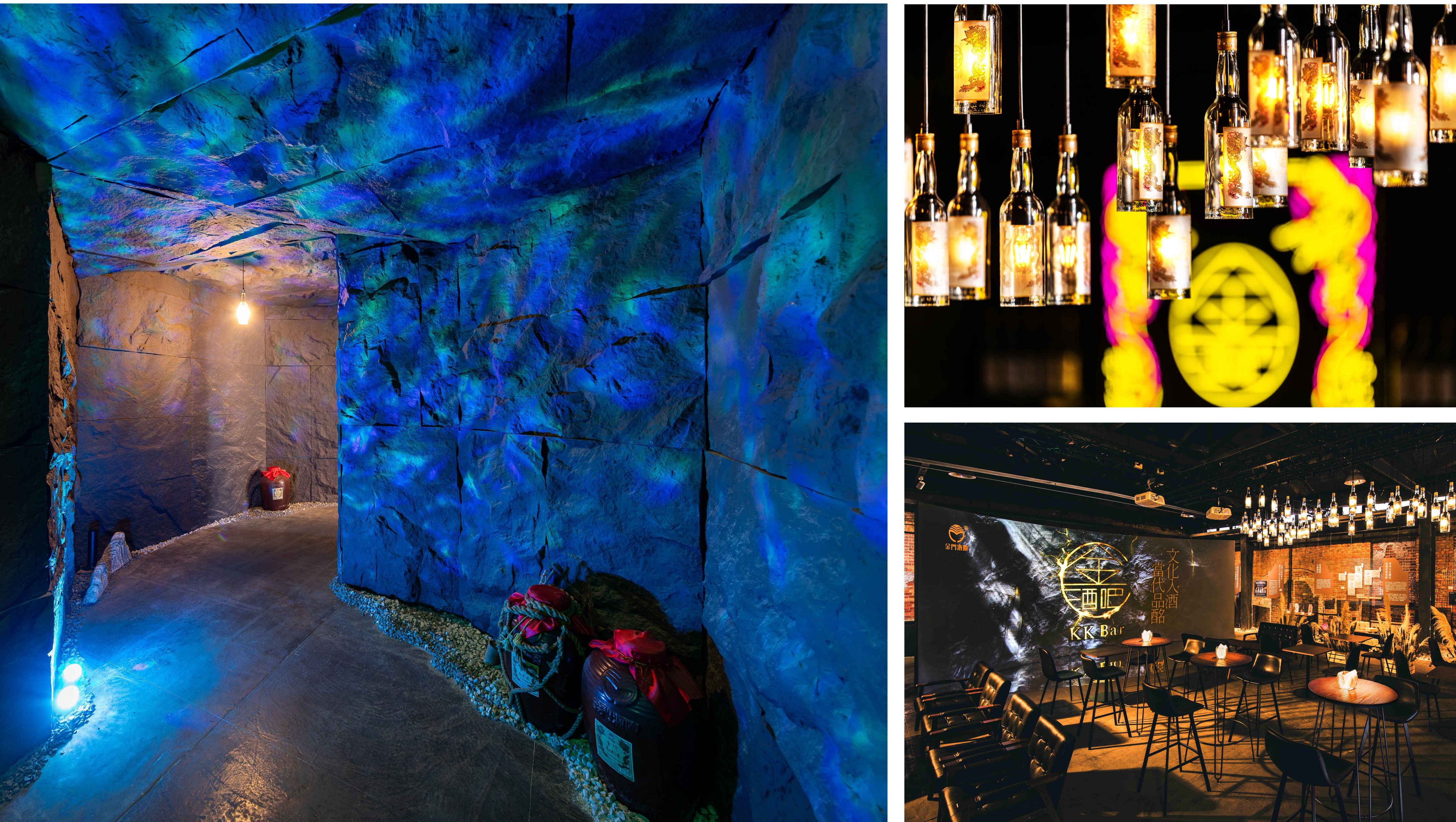
旅程中帶來獨特的「Kinmen Fizz 」(金門費茲)高粱酒調酒,翻轉經典雞尾酒「Gin Fizz」(琴費茲)。
「Fizz」(泡泡的)這個詞原本只出現在調酒指南附錄。它真正成為調酒的靈魂之名,是源於美國紐奧良一位名叫拉莫斯(Henry C. Ramos)的調酒師,在1888年所發明的「拉莫斯琴費茲」(Ramos Gin Fizz)。
拉莫斯琴費茲必須搖酒長達12分鐘,達到滑順綿密的鮮奶油口感;而注入金門高粱酒創新靈魂的Kinmen Fizz,其翻轉則是從「在地味蕾」出發,加入一些梅子、檸檬汁與蜂蜜,讓金門高粱「清中帶醬」的風味特色更突出。
▋來金門,不可錯過的高粱美食
高粱酒散發的獨特麴香,也成為鍋鑊上的調味焦點。
金門不僅有高粱滷肉飯、高粱香腸、金城老街的高粱酒冰淇淋手工蛋捲、乳山遊客中心的高粱酒奶茶,還有高粱酒布朗尼蛋糕、高粱酒甜甜圈,甚至有軟彈不黏牙的高粱麻糬等甜點入酒,在基底風味上多了一抹酒香,是許多人來到金門必定體驗的驚喜。金門高粱酒製作過程產生的酒糟,也被善加利用。當地人採用循環利用的方式,將酒糟與飼料混合,用以餵養牛隻。
這些牛被放養在舒適愜意的環境下,過著輕鬆自在的日子。來到金門絕不能錯過當地的牛肉麵,吃酒糟長大的黃牛肉質嫩又多汁,展現金門在地好滋味。
看起來像普通茶葉蛋的「酒釀蛋」,也是金門必嘗小吃。先以高粱、小麥、大麥、小米、玉米等穀物做成酒釀,再與雞蛋料理。因長時間醃漬滷製,滷汁沁入整顆蛋而呈現褐色,微帶溼潤的蛋黃散發濃郁的高粱酒香氣,非常迷人。
金門高粱酒產業的發展,見證了金門人對於資源的智慧利用和文化的堅持。
高粱酒承載了金門的歷史和文化底蘊,每一口酒都蘊含著濃厚的情感和生活態度。這不僅是一種酒,更是金門人對傳統的珍視與土地的熱愛。
*飲酒過量,有害(礙)健康。未滿18歲禁止飲酒。酒後不開車,安全有保障