


◤Text and Images / iSee Taiwan Foundation Editorial Team
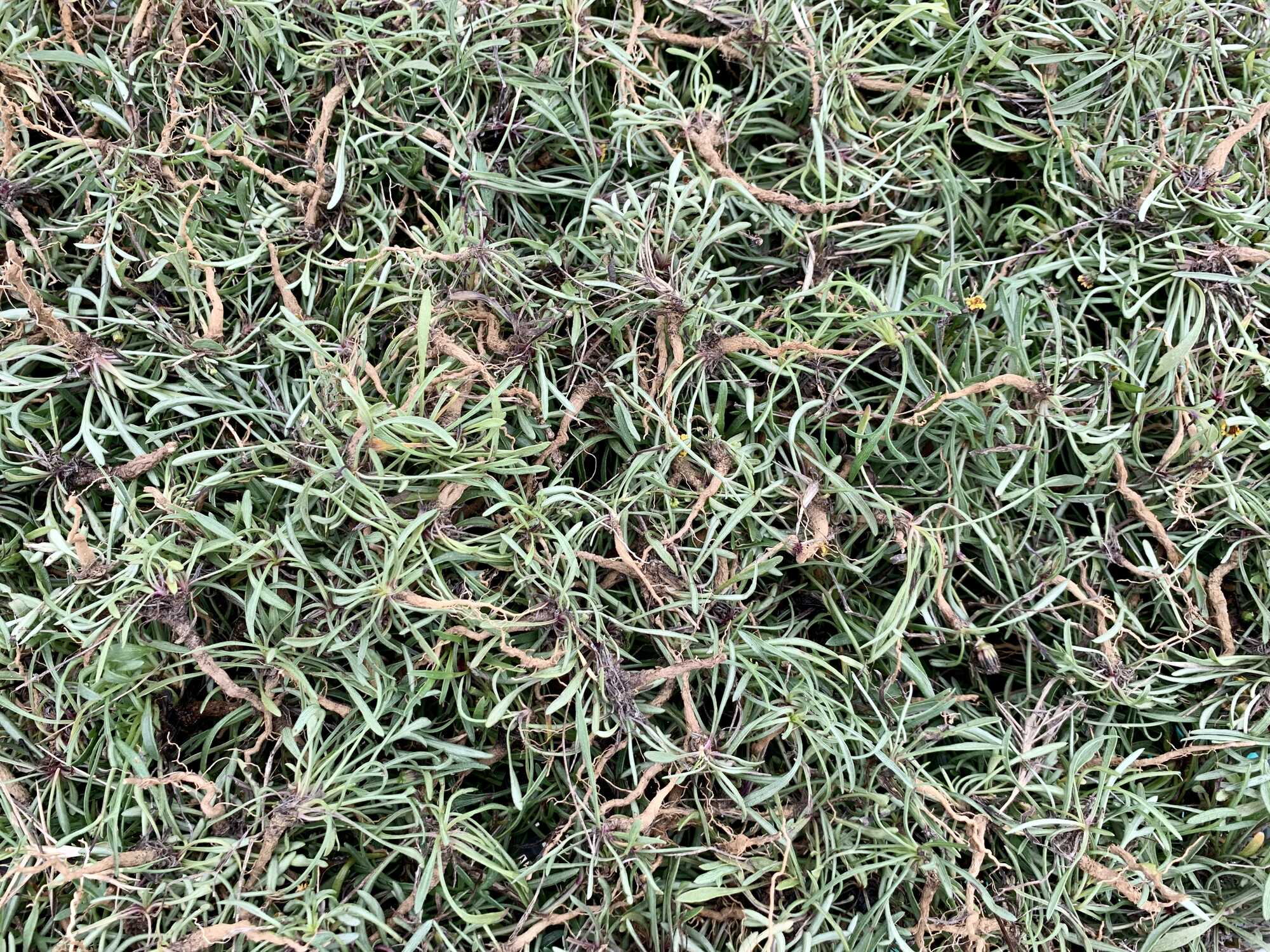
Battered year-round by powerful monsoon winds, scorching sun, and scarce freshwater, the Penghu Archipelago has developed a singular terroir. Across this basalt landscape threaded with sea breezes, a handful of drought- and wind-resistant plants have taken root, among them fenru grass-scientifically known as Glossogyne tenuifolia-one of the island's most distinctive crops. Harvested, sun-dried, and slowly simmered, fenru grass yields fenru cha (Mandarin for "fenru tea"), a brew with an aroma all its own.
This coastal-adapted plant grows primarily in Penghu County, Pingtung County, and Taitung County, with Penghu hosting by far the largest populations. Its roots bear a resemblance to ginseng, earning the plant the folk name "mountain ginseng". For generations, islanders sun-dried the herb and brewed it as tea-a cherished resource in an era when supplies were scarce. Fenru tea was once a staple of the everyday herbal teas Penghu residents knew well. Families would harvest and dry the grass, storing it to brew as needed. On sweltering summer days, a cold glass offered immediate, cooling relief.
Creative New Applications: Tea Bags, Frozen Treats, and Beer
Fenru tea pours a clear, deep reddish hue. On the palate, it opens with herbal fragrance and a gentle bitterness before finishing with a lingering sweetness. Recent research has identified chlorogenic acids, flavonoids, polyphenols, and other phytochemicals in the dried herb-findings that have drawn the attention of both the wellness tea market and the local agricultural processing industry.
As tourism has grown, fenru tea has made the transition from a household staple to one of Penghu County's signature agricultural products. Beyond the traditional brewed tea, producers now offer tea bags, ready-to-drink bottles, iced fenru beverages, and even fenru-infused beer. In local tourism guides and gift shop selections, fenru grass is often grouped with cactus and aloe as one of the "Three Treasures of Penghu"-a shorthand for the island's most emblematic natural bounty, and a gateway for visitors into Penghu's distinctive landscape and way of life.
The Ministry of Education's Rural Digital Empowerment Program has even drawn on poetic imagery to describe fenru tea when introducing Penghu's local products. For islanders, though, this cup of tea carries meaning beyond refreshment: it holds a living memory of coexistence with the sea wind. From the ingenuity of earlier generations in adapting to a demanding natural environment, to today's flourishing of local culture and tourism, fenru tea continues to tell the story of Penghu-islands shaped by hardship, and resilient still.