◤文/特約作家一Rene Hung
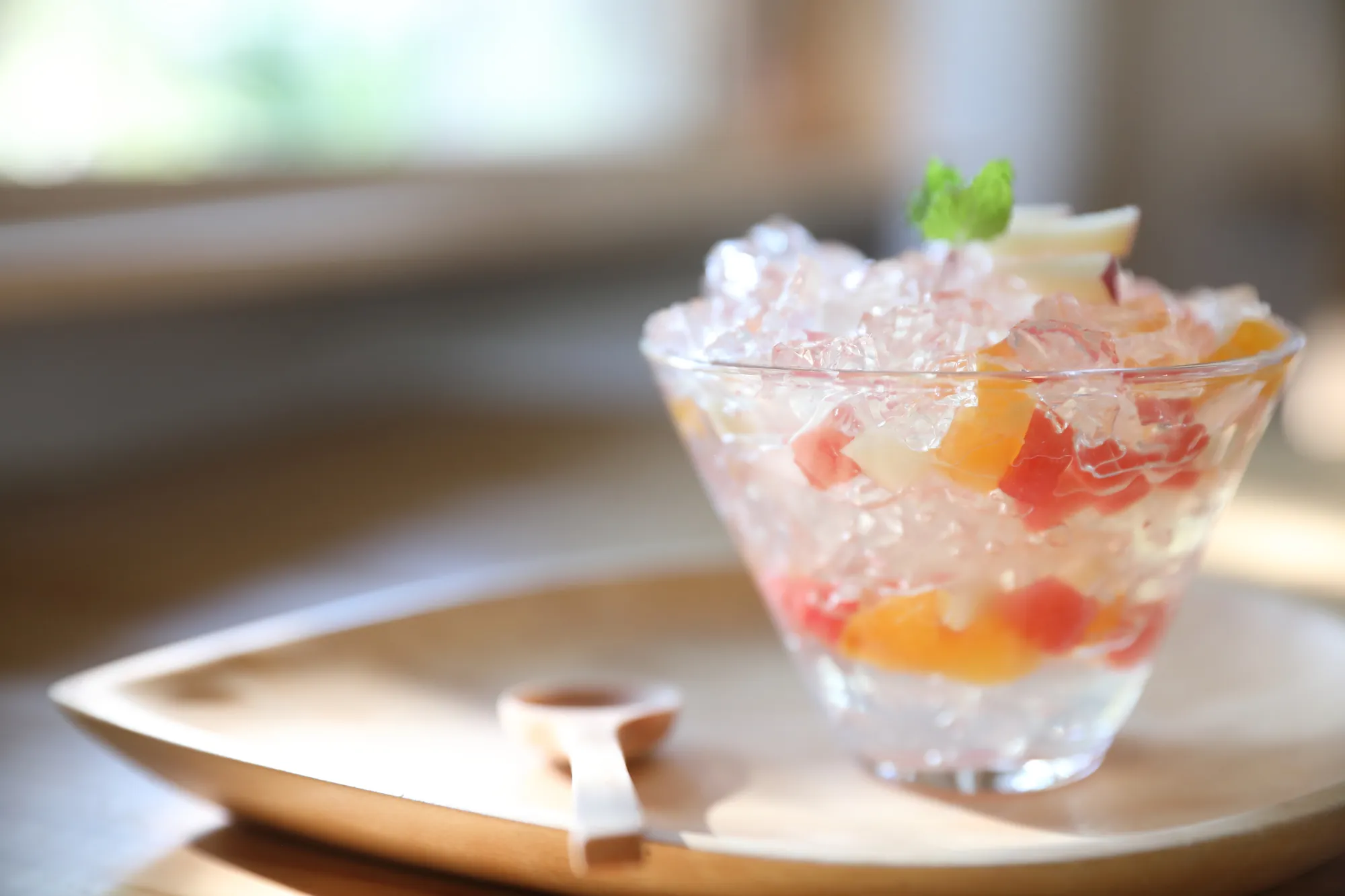
台灣夏季的炙熱高溫裡,無論是剉冰、月見冰、芋頭冰……這些給予身心靈涼爽愉悅的台灣冰,其實最早源自於日治時代。

'%20fill='%23a9976d'/%3e%3cpath%20id='Path_251'%20data-name='Path%20251'%20d='M8,35a1,1,0,0,1,1-1H23a1,1,0,0,1,0,2H9A1,1,0,0,1,8,35Z'%20transform='translate(-8%20-22)'%20fill='%23a9976d'/%3e%3cpath%20id='Path_252'%20data-name='Path%20252'%20d='M9,22a1,1,0,0,0,0,2h8a1,1,0,0,0,0-2Z'%20transform='translate(-8%20-16)'%20fill='%23a9976d'/%3e%3c/svg%3e)
'%20fill='%23a9976d'/%3e%3c/g%3e%3c/svg%3e)
'%3e%3cg%20id='Ellipse_27'%20data-name='Ellipse%2027'%20transform='translate(813%20250)'%20fill='none'%20stroke='%23ccac89'%20stroke-width='1'%3e%3ccircle%20cx='16'%20cy='16'%20r='16'%20stroke='none'/%3e%3ccircle%20cx='16'%20cy='16'%20r='15.5'%20fill='none'/%3e%3c/g%3e%3cg%20id='facebook'%20transform='translate(824.105%20258.296)'%3e%3cpath%20id='Path_243'%20data-name='Path%20243'%20d='M8.894.111V2.556H7.441a1.361,1.361,0,0,0-1.074.333,1.534,1.534,0,0,0-.278,1v1.75H8.8L8.441,8.38H6.089v7.028H3.255V8.38H.894V5.639H3.255V3.62A3.582,3.582,0,0,1,4.218.949,3.5,3.5,0,0,1,6.783,0,15.317,15.317,0,0,1,8.894.111Z'%20transform='translate(0%200)'%20fill='%23ccac89'/%3e%3c/g%3e%3c/g%3e%3c/svg%3e)

'%3e%3cg%20id='Ellipse_29'%20data-name='Ellipse%2029'%20transform='translate(901%20250)'%20fill='none'%20stroke='%23ccac89'%20stroke-width='1'%3e%3ccircle%20cx='16'%20cy='16'%20r='16'%20stroke='none'/%3e%3ccircle%20cx='16'%20cy='16'%20r='15.5'%20fill='none'/%3e%3c/g%3e%3cg%20id='link-45deg'%20transform='translate(902.607%20253.105)'%3e%3cg%20id='Group_479'%20data-name='Group%20479'%20transform='translate(7.393%205.896)'%3e%3cpath%20id='Path_241'%20data-name='Path%20241'%20d='M10.246,17.821,8.507,19.56a3.8,3.8,0,0,0,5.378,5.378L16.2,22.62a3.8,3.8,0,0,0-1.05-6.12l-.743.743a1.27,1.27,0,0,0-.2.252,2.535,2.535,0,0,1,1.091,4.23L12.99,24.042A2.536,2.536,0,0,1,9.4,20.455l1.005-1a5.093,5.093,0,0,1-.162-1.631Z'%20transform='translate(-7.393%20-12.02)'%20fill='%23ccac89'/%3e%3cpath%20id='Path_242'%20data-name='Path%20242'%20d='M18.236,9.327a3.8,3.8,0,0,0,1.05,6.12l.982-.984a2.535,2.535,0,0,1-1.136-4.241L21.448,7.9a2.536,2.536,0,1,1,3.587,3.587l-1.005,1a5.1,5.1,0,0,1,.162,1.631l1.739-1.739A3.8,3.8,0,1,0,20.553,7.01Z'%20transform='translate(-13.011%20-5.896)'%20fill='%23ccac89'/%3e%3c/g%3e%3c/g%3e%3c/g%3e%3c/svg%3e)
◤文/特約作家一Rene Hung
台灣夏季的炙熱高溫裡,無論是剉冰、月見冰、芋頭冰……這些給予身心靈涼爽愉悅的台灣冰,其實最早源自於日治時代。
位處潮溼悶熱亞熱帶的台灣,日治時期之前就有仙草、愛玉等涼水。到了日治時期,日本人將當時東京、橫濱素有「五步一小店、十步一大店」的冰店流行文化帶進台灣。日治時期的台灣冰,最初是由海外進口冰塊來台。接著,1896年時,大稻埕製冰廠開始營運,連帶讓全台各地都有了製冰、賣冰的冰品流行。
原先必須由海外進口來台、被視為奢侈品的冰塊,在製冰廠與技術的普及後,剉冰成為市井小民也能消費得起的消暑聖品。不只是剉冰,也有文獻記載,1910年代流行吃雞卵冰,與後面時代的雞蛋冰大不同,雞卵冰比較偏向冰淇淋柔軟風格。
台灣冰品文化的包容性非常高,如同這座島嶼的歷史一般豐富多彩。從最初利用亞熱帶豐沛的水果資源,到吸收日治時期引進的製冰技術,再到光復後的創新發展,台灣的冰品文化一直在不斷演進。這個過程中,台灣人展現了驚人的創意和適應力,將各種本土及外來食材巧妙融入冰品之中。
提及吃冰,1930至1970年代才是台灣冰最蓬勃發展的時候,現今常見用來宣傳的「古早味」冰品大多來自這個時期。約莫在1930年代,台灣的冰果室猶如日本喫茶店般,是社交場域,賣剉冰、水果盤之外,還有飲品。在冰店為數不少的台南,現今仍存在的「和興冰菓部」,至今仍販售著開業時就有的香蕉冰。
剉冰可不只有香蕉油、糖水加持,以舊在來米透過米篩製作的米苔目,可甜可鹹的風格,一年四季都派得上用場。尤其將米食與冰品結合的米苔目冰,米苔目Q彈滑順的口感,在夏季更是透心涼、具飽足感的冰品。
與此同時,台灣人熱愛的枝仔冰、叭噗冰,以及雪綿冰、泡泡冰等冰品,都在1950年代攻占台灣涼水產業。冰果室、芋冰城、糖廠,甚至是騎著腳踏車載著冰、跟路人以飛機檯賭起數量的流動攤販,在在顯示台灣飲食文化真的不能缺少了冰。
那麼,台灣各地有哪些具特色的冰品?先從北台灣的基隆說起,最具代表性的可說是泡泡冰。泡泡冰的發明店眾說紛紜,但可得知泡泡冰是將細冰拌入風味後不斷攪拌而成,質地均勻、滑順綿密的泡泡冰口味眾多,每每總是讓人選擇困難。
但是,如果要談到冰店文化,台南可說是現存最多古早冰店的地區,例如有店家將滿滿的水果陳列在店鋪,供應當季水果盤,點菜單上的冰品項目也從清冰、水果冰到巧克力布丁牛乳冰等。
台南隔壁的高雄,是芋仔冰的大本營。只要經過漆成紫色的甲仙大橋,就代表進入甲仙區。甲仙區的芋頭相當出名,各式芋頭相關名產因應而生,販售芋仔冰的店家林立,小奇芋冰老店、三冠王芋冰城、第一芋冰城等店各有擁護者,唯一相同的是,這裡的芋仔冰吃得到芋頭顆粒,風味濃厚、口感鬆綿。
以在地農產品發展為冰品的不只有高雄,台東的釋迦冰也是選用盛產的釋迦製作。將較為軟熟的釋迦冷凍後包進夾鏈袋,令人聯想起,傳統的綠豆冰也是這類型包裝。
本島之外,澎湖的仙人掌冰更是以熱情火紅的色澤與酸甜滋味,深受遊客喜愛。但是製作仙人掌冰可不容易,賣冰人家必須到靠海的野外採集仙人掌果實,躲過了仙人掌刺,還得一一拔除仙人掌果中、澎湖人暱稱為「啞巴刺」的尖刺。
下回到澎湖,不只可以試試仙人掌冰,還有野生風茹草製作的風茹冰、蘆薈冰,以及在澎湖百家爭鳴的仙草冰,都各有特色。
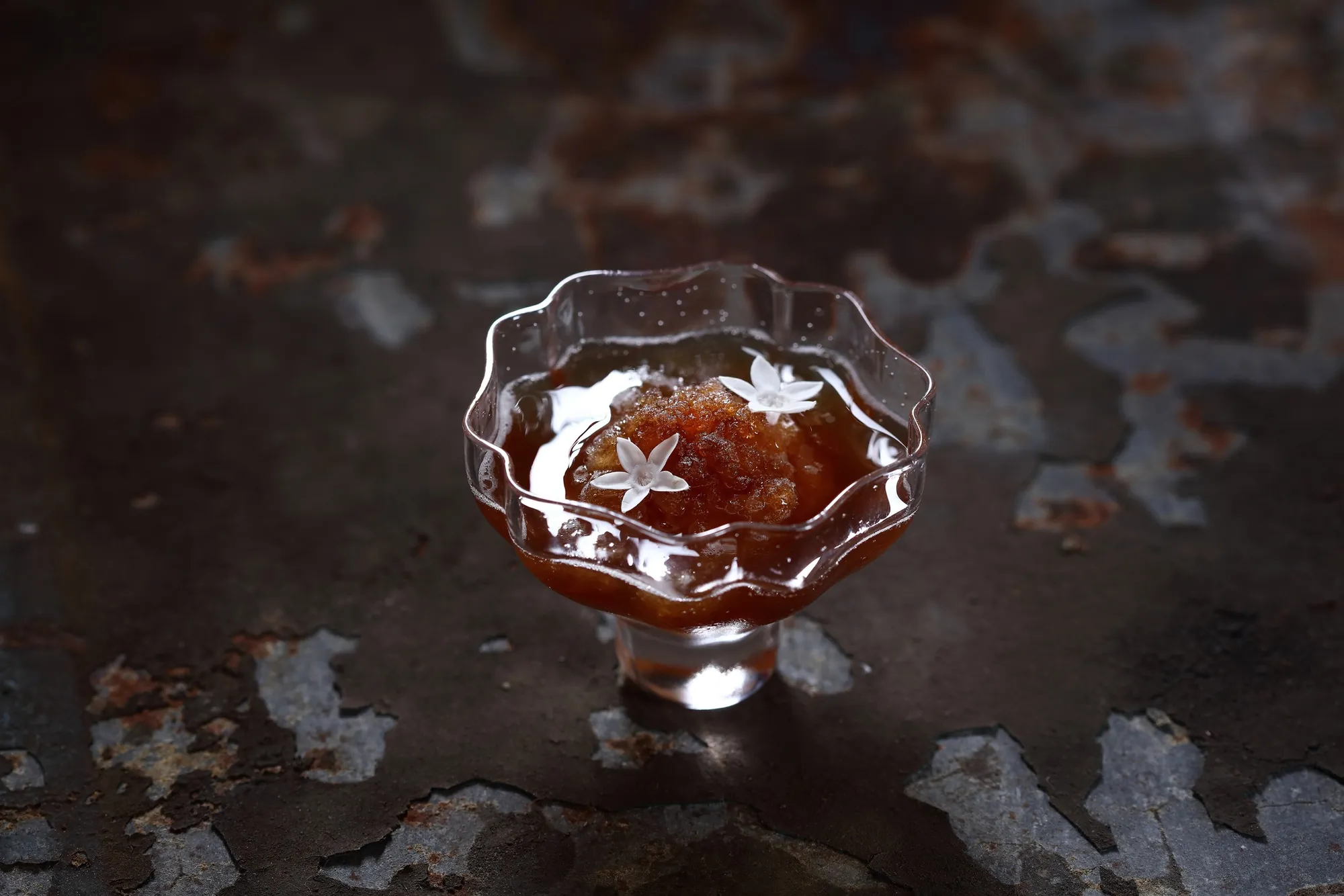
具有歷史文化意義的古早味冰品,意味著時代的演進。當時間更迭來到現代,做冰的複雜度可說是提升了不少。全球首位以冰淇淋店形式獲得米其林一星肯定的主廚萬士傑(Arvin Wan),應該從未想過,將山茼蒿、野薑花、冬瓜等台灣食材風味製作為冰品,有一天也能摘下米其林星星。
台灣冰的歷史仍在創造中,如果有一天在海外看到台灣冰品元素,一點也讓人不意外!