


◤Text and Images / iSee Taiwan Foundation Editorial Team
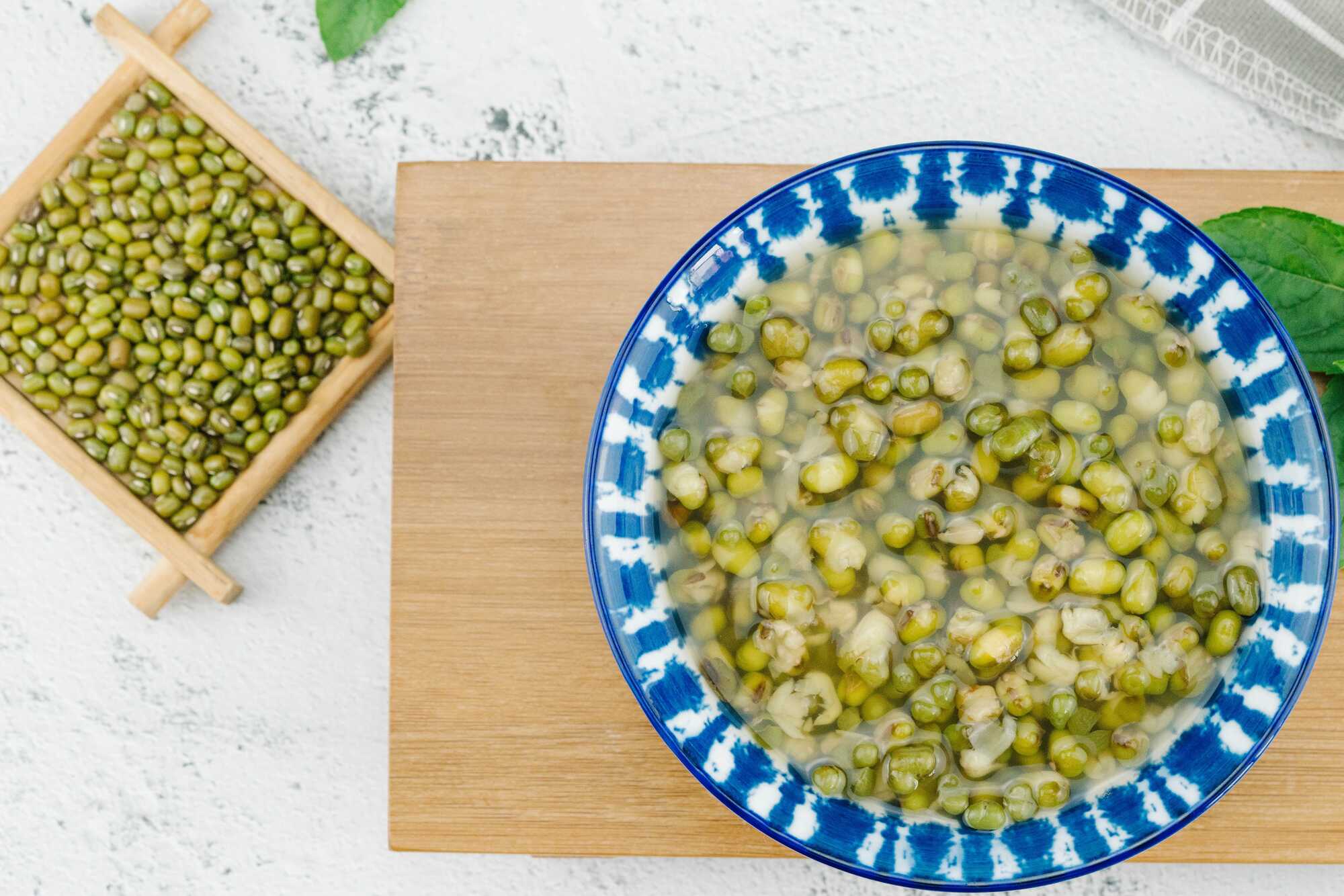
The mung bean-small and round, fresh green in color-has long been an important ingredient in East Asian culinary and food-as-medicine traditions. Simmered, it yields a clear, bright soup with a light sweetness on the palate, a common summer dessert. This seemingly ordinary sweet soup was set down in ancient texts long ago. In his medical work Bencao Gangmu (Compendium of Materia Medica), the Ming-dynasty physician Li Shizhen records: "Eating cooked mung bean can reduce swelling and downbear qi, clear heat and resolve toxins, quench thirst, harmonize the five viscera, calm the spirit, replenish original qi, and moisten the skin." The renowned Qing-dynasty physician Wang Mengying, in his Suixiju yinshipu (a Qing-dynasty work on diet and health), likewise notes that "mung bean, sweet and cooling, when cooked clears the gallbladder and nourishes the stomach, relieves summer heat and quenches thirst," showing that the mung bean has been regarded as a fine summer health food since ancient times.
Just Split, Never Mushy: Taiwan's Art of a Smooth, Gently Sweet Mung Bean Soup
In Taiwan, mung bean soup is a common sight at traditional ice dessert parlors, dessert shops, and night market stalls, and can be served both hot and cold. In summer, it is mostly eaten chilled, with tapioca pearls, Job's tears, grass jelly, or fenguo (a chewy sweet-potato-starch jelly) added for extra layers; in winter, it is eaten hot to warm the stomach, paired with sweet potato or taro balls for a mellow warmth. The simmering is a matter of careful heat: the beans must be cooked until just split but not broken, keeping a sandy-moist texture, then seasoned with white or brown sugar for a refreshing sweetness that never cloys. Some shops have even developed variations such as Lu Dou Suan, a traditional Pingtung dessert made from dehulled mung beans, mung bean smoothies, and mung bean milk, giving this old-time sweet a new face.
From the standpoint of modern nutrition, mung beans are rich in potassium, dietary fiber, plant protein, and polyphenol antioxidants, helping to regulate the body's electrolyte balance and ease the fatigue and swelling brought on by high heat. Active constituents in mung beans such as saponins, phytosterols, and alkaloids have also shown antioxidant and immune-regulating potential in experimental studies.
That said, mung beans are cooling by nature and do not suit everyone. Those of a cold, weak constitution or with weaker digestion may suffer bloating if they eat too much; the elderly and young children, too, should partake in moderation. This is a reminder that true dietary wisdom is not a single-minded pursuit of "health cultivation," but a matter of following the seasons, weighing one's constitution, and finding balance in the right amount at the right time.
From pharmacopoeia records to today's dessert-soup culture, mung bean soup has always been a summer taste blending science and tradition, mirroring a philosophy of life by which Taiwanese stay close to nature's rhythms.